
Tag: household

  • Safe Alternative to Toxic Fabric Softner

    Today, almost everyone in America adds a chemical fabric softener to their laundry routine, pouring a capful into the washer or tossing a sheet in the dryer. Fabric softener ads often portray an image of comfort, freshness and sweetness. Yet most fabric softeners contain a grim list of known toxins which can enter your body through the skin and by inhalation, causing a wide range of health problems, particularly for young children. Manufacturers are aware that the products contain toxic chemicals. The packaging on many brands include a warning that the product should not be used on children’s sleepwear. Since some of the same brands also have large images of children and toys, however, consumers may miss the small print message.

    What is fabric softener? 

    It is a combination of chemicals that coat the surface of textiles with a thin layer of lubrication. This makes the clothes feel smoother and helps them to resist the buildup of static electricity. Early fabric softeners were made from a combination of soap and olive oil or other natural oils.

    However, today’s fabric softeners are made of noxious chemicals combined with a massive amount of fragrance that masks their nose-curling odors. Fabric softener actually makes material less absorbent, which is not a good thing for your bath towels anyway.

    Here is a list of just SOME of the toxic chemicals found in commercial fabric softeners:

    • Alpha Terpineol: can cause central nervous damage and respiratory problems
    • Camphor: causes central nervous disorders, is easily absorbed through skin
    • Chloroform: a carcinogenic neurotoxin preferred by Ted Bundy
    • Benzyl Acetate: linked to pancreatic cancer
    • Benyl Alcohol: respiratory tract irritant
    • Ethanol: on the EPA’s “hazardous waste” list, can cause central nervous system disorders
    • Ethyl Acetate: a narcotic on the EPA’s “hazardous waste” list
    • Limonene: a known carcinogen that irritates eyes and skin
    • Linalool: causes central nervous system disorders and depresses heart activity

    Safer Alternatives.

    Buy a $5 set of dryer balls, switch to a soy-based softener, or add a quarter-cup of baking soda or vinegar to your wash cycle and you will never have to use chemical fabric softener again.

    Vinegar is cheap and nontoxic. It naturally removes soap residue, and helps with static reduction during drying. Vinegar contains small amounts of sodium and  potassium, which help soften hard water. Homemade fabric softener ingredients are combined with water to make a solution you can store in a container and use each time you do the wash.

    Making your own fabric softener is very easy and cost effective.

    Natural  Homemade Fabric Softener Ingredients

    Mix ingredients together and pour into a storage container.

    To use:

    Dilute the vinegar mixture  with water before being used in your laundry.  For regular sizes loads, mix 1/4 cup of vinegar mixture with 3/4 cups of water. Pour the fabric softener into your washer during the final rinse cycle.

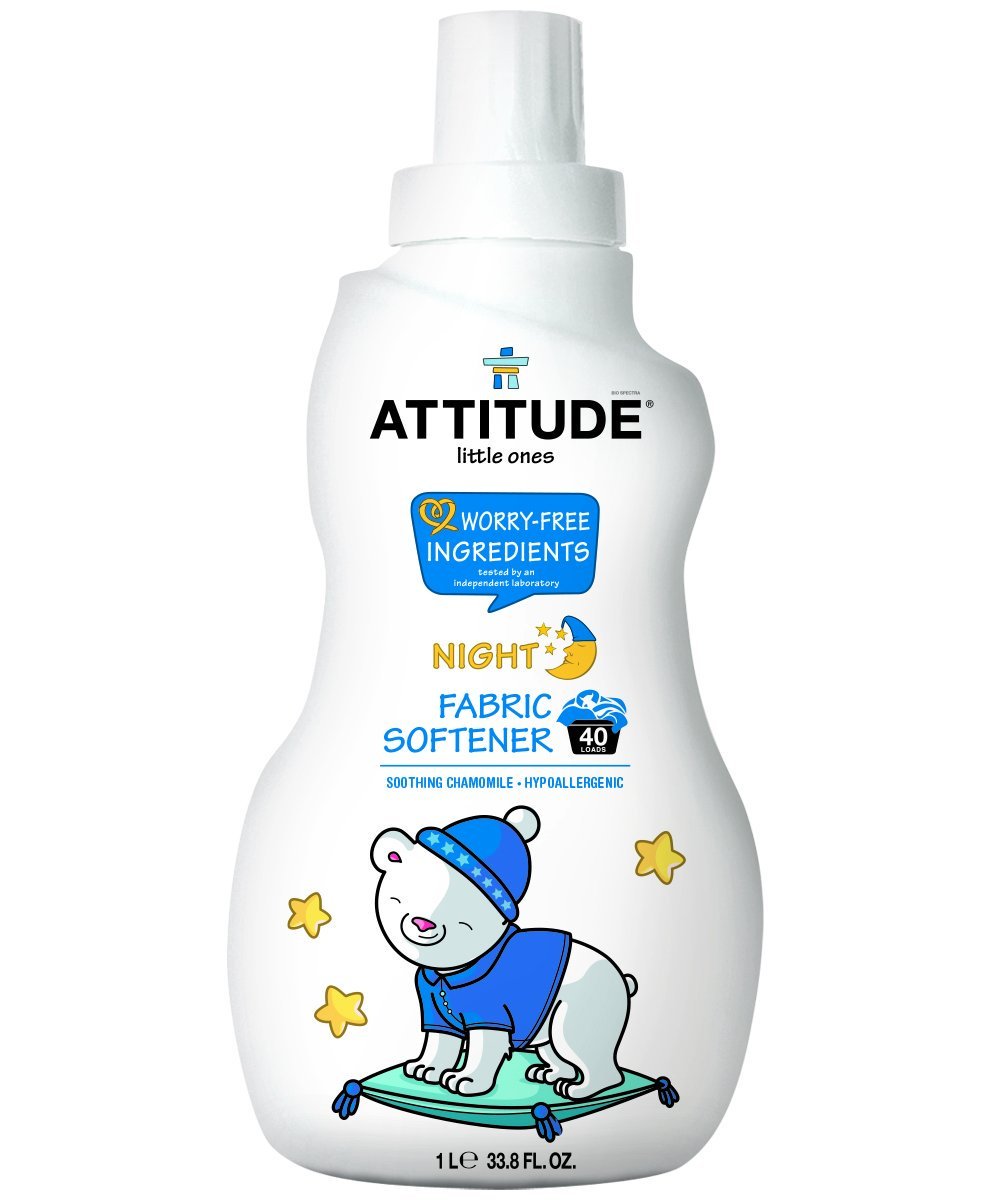
    If you feel the need to purchase fabric softener check out EWG’s list of toxin products.
    Attitude can be purchased online from AMAZON 
  • Dirty Truth about Dryer Sheets

    Dirty Truth about Dryer Sheets

    Most commercial dryer sheets are loaded with all sorts of toxic chemicals including Benzyl Acetate, Benzyl Alcohol, Chloroform and Linalool; none of which are good for your health. In addition to all the chemicals that end up on your skin, when heated, the fumes are also toxic.  These toxins go straight to their brain’s most sensitive neurological centers and wreck havoc.


    5 Killer Reasons to Ditch Dryer Sheets Artificial Fragrances

    When people use dryer sheets, they are coating their clothes with  artificial chemical perfumes. These fragrance chemicals are extremely toxic. They are known carcinogens that cause liver damage and cancer in mammals.

    In a recent study performed by UW professor Dr. Anne Steinemann, a research team conducted a small study to understand the effects of fragrances in laundry products (both detergent and dryer sheets). The results discovered more than 25 VOCs emitted from dryer vents, with highest concentrations of acetaldehyde, acetone, and ethanol (two of which are considered carcinogenic). To put it into context, one of the carcinogenic VOCs, acetaldehyde, had emissions that would represent 3% of total acetaldehyde emissions from automobiles in the study area. This is a major omission of toxic chemicals.

    According to the U.S. Environmental Protection Agency (EPA) and industry-generated Material Safety Data Sheets (MSDS) from the 1990s, the following is a list of chemicals in fabric softener products, most in untested combinations.

    1.  Alpha-Terpineol–This chemical has been linked to disorders of the brain and nervous system, loss of muscle control, depression, and headaches

    2.  Benzyl acetate–Benzyl acetate has been linked to cancer of the pancreas

    3.  Benzyl alcohol–This upper respiratory tract irritant can cause central nervous system (CNS) disorders, headache, nausea, vomiting, dizziness and dramatic drops in blood pressure.

    4.  Chloroform–Neurotoxic, anesthetic and carcinogenic. Really toxic to your brain. Inhaling its vapors may cause loss of consciousness, nausea, headache, vomiting, and/or dizziness, drowsiness.

    5.  Ethanol– Another fabric softener ingredient which is on the EPA’s Hazardous Waste list and linked to CNS disorders.

    6.  Ethyl Acetate–causes headaches and is on the EPA Hazardous Waste list

    7.  Linalool–in studies, this chemical caused loss of muscle coordination, nervous system and brain disorders, and depression

    8.  Pentane–causes headaches, nausea, dizziness, fatigue, drowsiness, and depression

    What’s the alternative to toxic dryer sheets?  Wool balls.  They are 100% natural  and are effective at getting rid of static cling and wrinkles, soften clothes.

    Sources and References:
    livingtraditionally.com
    ewg.org
    healthwyze.org

    This article originally appeared at: http://www.realfarmacy.com/dryer-sheets/.