Tag: lead

  • Starbucks Mug: the gift of carcinogens for Christmas.

    High Levels of Cadmium a known carcinogen has been detected on the 2019 Edition of Starbucks Christmas Mug. As we enjoy this holiday mug manufactured in China, we are unknowingly poisoning ourselves. This fact wasn’t discovered by our protective government agencies but an advocate mother whose mission is to make us aware of the dangers of hidden toxins. Check out Lead Safe Mama’s page.

    Were you surpised to find carcinogens on the Starbucks mugs?

    Frankly – even though I know how bad this brand has rated (from a toxicant perspective) over the years [I’d estimate I have personally tested more than a thousand Starbucks branded mugs for people over the last decade] – I am really shocked that a brand-new 2019 Starbucks product has Lead at levels this high.

    Tamara, Lead Safe Mama

    Hey Starbucks, Where’s your corporate responsibility and accountability when it comes to the planet, our children and their future? What possible excuse could you have for manufacturing brand-new high-Lead-content products emblazoned with your name??

    And let’s be clear: the end product is not the only concern here…The big picture concern here is that you as a company are supporting/creating a demand for Lead-based pigments. Starbucks – this means you are supporting/instigating the demand for the mining, refining and manufacturing of Lead  – along the entire global supply chain. Shame on you.

    Tamara

  • Sippy Cup Tested for Astronomical Amounts of Lead and Cadmium

    90 ppm is the legal limit for lead in items to be used by children. This child’s sippy cup was tested at 5000 ppm for lead in the painted markings and is still being sold on Amazon. This case is especially egregious as the company is denying the jars have Lead (in correspondence with customers since a blog post was first published with test results on this brand back on 9/16/18) AND they advertise them as being “Lead-free” (so customers are specifically purchasing them in order to have a Lead-free option!

    A regulatory loophole puts your child at risk of heavy metal exposure.

    All the regulatory agencies that are fed tax payer funds to protect us, including CDC, EPA, and CPSC have, in recent years, finally acknowledged the long-held consensus in the scientific community — that there is actually no safe level of lead exposure for children, and accordingly officially adopted that explicit language.This obviously implies that it cannot be considered “safe” to have Lead in products intended for use by children or for use with children, and accordingly stringent regulatory standards were required to reflect this reality.

    “Zero” in regulatory terms becomes “however close to ‘zero’ industry representatives say is “realistically feasible”. As a result, in 2008 the Consumer Product Safety Improvement Act (CPSIA) set “90 ppm lead” (in the paint or coatings of items intended for use by children) as the new hazard level (phased in by 2010) at or above which it is illegal to sell this item to be used by children.)

    When testing the “Jervis & George” brand reusable glass jar (with yellow sippy cup top) pictured here, all of the white painted markings on the outside of the glass were positive for unsafe levels of Lead (high Lead-content paint — with levels consistently above 6,000 ppm Lead). 

    Exactly how much Lead (and Cadmium) was found on these jars?

    This particular child’s sippy cup jar had the following lead readings:

    The white painted markings on the glass:

    • Lead (Pb): 6,422 +/- 157 ppm
    • Cadmium (Cd): 88 +/- 10 ppm
    • Barium (Ba): 216 +/- 49 ppm
    • Zinc (Zn): 46 +/- 18 ppm
    • Titanium (Ti): 12,000 +/- 500 ppm

    The yellow top:

    • Copper (Cu): 25 +/- 13 ppm
    • Iron (Fe): 36 +/- 20 ppm
    • Titanium (Ti): 2,732 +/- 317 ppm

    The yellow straw:

    • Barium (Ba): 613 +/- 212 ppm
    • Zinc (Zn): 75 +/- 15 ppm
    • Iron (Fe): 65 +/- 34 ppm

    Note: All tests reported on this blog are science-based and replicable. Tests are done for a minimum of 60 seconds each, using a Niton XL3T, testing in “Consumer Goods” mode. If a metal is not listed, that means that particular metal was not detected using an XRF instrument in Consumer Goods mode.

    This is consistent with other products from this brand tested by activist Tamara Rubin .

    THE INSANE LOOPHOLE:

    There is an atrocious loophole that is allowing Lead in the painted markings of baby food containers, baby bottles, sippy cups and other items intended for children — for FOOD USE, no less

    Because there is so little actual paint on the surface of these jars or bottles, even though the paint has an extremely toxic level of Lead and even though Federal agencies agree “no amount of Lead exposure to children is safe“, the CPSC has maintained the position that it considers the Lead paint on products like this to be “an acceptable amount of Lead paint” and therefore these products are in compliance with current (ridiculously stupid!) regulations.

    What is the solution?

    What should the consumer do? Consumers should consider tossing these products or returning them for a refund. Read more about that here. Consumers should also make a complaint to the CPSC

    Looking for an alternative?
    Click here to see a good lead-free choice! (affiliate link benefits Tamara Rubin – Lead Free Mama)

    Continue reading HERE for specific details, context and concerns as well as the exact XRF readings for the Lead levels found on the jar pictured.


    To our knowledge, no one else is currently doing the depth and breadth of independent consumer goods testing that Tamara Rubin is doing (no individual nor public agency for that matter!) If you appreciate this work (if you find it valuable and helpful), please consider chipping in to help cover some of her advocacy costs. A gift of any amount WILL make a difference!  [Chip-In Link.]


    RESOURCES:

    1 https://www.popsci.com/lead-water-what-are-health-effects-dangers#page-2

    2 http://www.osh.net/articles/archive/osh_basics_2001_may26.htm

    3 National Toxicity Program printable brochure on low levels of lead: https://ntp.niehs.nih.gov/ntp/ohat/lead/final/monographhealtheffectslowlevellead_newissn_508.pdf

  • Toxic Heavy Metals Found in Organic Chocolate

    A study by As You Sow found levels of cadmium and lead, two toxic heavy metals, in 45 of 70 chocolate bar samples (including some organic brands) at levels higher than what is considered to be safe in drinking water. While you would have to eat an enormous amount of chocolate to be affected, if this was the sole source of exposure.  Its one of many places we are bombarded by toxins unfortunately, heavy metals are in a lot of food products. Unfortunately, heavy metals accumulate in the body ingested and injected over time these toxins build up. Cadmium and Lead are neurotoxic and carcinogenic. Current regulations for cadmium are based on threats to adults, and the kidneys have been considered the most sensitive organ to its toxic effects. Classified as a known human carcinogen, it is linked to lung, kidney and prostate cancer in workers.

    A study in the Journal of Agricultural and Food Chemistry examined the levels of lead and cadmium in white, milk, and dark chocolate sold in Brazil. They concluded that dark chocolates had the highest amounts of lead and cadmium.

    Cadmium is a heavy metal considered toxic for the human body. When ingested or inhaled, it is not well absorbed by the body, so it accumulates over time and can have detrimental effects on kidneys, lungs and bones and on the brain. This is why it is classified as a human carcinogen and can potentially increase the risks of cancer and considered neurotoxic.

    Children with higher cadmium levels are three times more likely to have learning disabilities and participate in special education, according to a study led by Harvard University researchers. Dr. Robert Wright, the study’s senior author, emphasized that the links to learning disabilities and special education were found at commonplace levels previously thought to be benign.  Some studies of adult workers have shown that high exposures can trigger neurological problems, and small, earlier studies of children found links to mental retardation and decreased IQs.

    Cadmium stays in the body for long periods, so tests measured amounts the children were exposed to over years.

    “One of the important points of the study is that we didn’t study a population of kids who had very high exposures. We studied a population representative of the U.S. That we found any [effect] suggests this is occurring at relatively low levels,” said Wright, an associate professor of pediatrics and environmental health at Harvard.

    Lead has been studied and regulated for many decades, leading to a large amount of evidence that it reduces children’s IQs at low concentrations and contributes to attention disorders and even violent behaviors. It interferes with the development of synopses, or connections between neurons, that allow a child to learn.

    Since cadmium is also a heavy metal, it might have similar effects on the brain, said Lanphear, one of the world’s leading experts on the effects of lead in children. But unlike lead, cadmium “is relatively understudied as respect to brain toxicity,”  said Wright, an associate professor of pediatrics and environmental health at Harvard.

    What’s Heavy Metal Doing in My Chocolate? 

    According to the As You Sow, the source of lead and cadmium is contamination through one of the various processing steps a bean undergoes after the harvest. These steps include fermentation, drying of the cacao bean, and manufacturing processes such as grinding, refining, and conching. Other opportunities for contamination are shipping, handling, and finally, packaging. Studies have shown that much of the “lead contamination in (chocolate) products occurs after the beans are harvested and dried, during the shipping of those beans and/or the manufacturing of cocoa and chocolate products.”.8, 9

    Cadmium and lead are toxic heavy metals that are released into the environment through manmade industrial processes including mining, burning fossil fuels such as coal or oil, incineration of municipal waste (plastics/batteries). It is also released by battery manufacturers, smelters, electroplating plants and other industries. It is one of the top chemicals reported in Superfund sites, found in virtually all of them, according to a Centers for Disease Control and Prevention document.

    Cadmium and lead also enter soil through the disposal of sewage sludge, or the application of pesticides or phosphate fertilizers (which can contain high levels of cadmium).4, 7

    Once released into the atmosphere, respirable-sized airborne particles attach to dust, can travel long distances, and will be deposited onto the earth, where they move easily through soil layers and can be taken up into the food chain. Once mined and introduced into the atmosphere, these heavy metals can move from air to soil to water, but do not break down easily and will remain for decades.4, 7

    Its Regulated Right? 

    The FDA does not consistently monitor food for lead and cadmium contamination. California has the most health protective standards in the country for the presence of lead and cadmium in consumer products, and requires the manufacturer to warn consumers if a product contains chemicals known to cause cancer and/or birth defects or other reproductive harm, above the safe harbor level set by California’s Office of Environmental Health Hazard Assessment. They require a warning label on their products if they contain more than 4.1 mg of cadmium per daily serving. The latest news in the legal department is the introduction by the European Union of new limits on the amount of cadmium in cocoa products. They will be enforced starting 1 January 2019.

    As You Sow commissioned an independent state-certified laboratory to measure levels of lead and cadmium in over 120 chocolate products available at retailers across California. In 2018, As You Sow legal efforts culminated in a first-of-its-kind settlement with many of the world’s largest chocolate companies. Thirty-one chocolate companies, including Barry Callebaut (USA), Blommer Chocolate Co., Cargill, Inc., Guittard Chocolate Co., The Hershey Company, Lindt & Sprungli (North America), Mars Incorporated, Mondelez Global LLC, and Nestle USA, Inc, committed to funding an independent Expert Committee to investigate the sources of lead and cadmium in chocolate and find feasible measures to lower levels of these metals by 2025.

    While this work is ongoing, the chocolate companies have also agreed to provide interim warnings for their products if they exceed specified concentrations of lead and/or cadmium in their chocolates. These agreed upon warning levels range from 0.1 ppm to 0.225 ppm for lead and 0.4 ppm cadmium to .960 ppm for cadmium, depending on the percent of cacao contained in the product. These warning levels may be reduced based on the results reached by the Committee.  

    Can I avoid heavy metals and still eat chocolate? 

    CADMIUM & LEAD FOUND IN CHOCOLATE FROM SEES, TRADER JOES, HERSHEY & OTHERS! 

    Eating Organic doesn’t protect you! According to their testing results these are a few of the Organic Brand bars to avoid: 

    • Organic Chocolates such as Trader Joe’s Dark Chocolate 73% Cacao Super Dark (organic),
    • Endangered Species Chocolate Natural Dark Chocolate – 72% Cocoa, 
    • Enjoy Life Eat Freely boomCHOCOboom Bar
    • Lily’s Extra Dark 70% Dark Chocolate Stevia Sweetened Vegan Non GMO
    • Theo Organic Fair Trade Coconut 70% Dark Chocolate
    • Tanzania Schoolhouse Project – 72% Cacao Organic Dark Chocolate
    •  Earth Circle chocolate 
    • Organic Ecuador Cacao Powder

    Find out if YOUR chocolate is toxic here

    https://www.scientificamerican.com/article/is-cadmium-as-dangerous-for-children-lead/

    https://thechocolatejournalist.com/cadmium-chocolate/

    Learn more about LEAD EXPOSURE in Boise Idaho school water

  • Lead Contaminated Water: Boise Schools test 100 times the limit set by the EPA

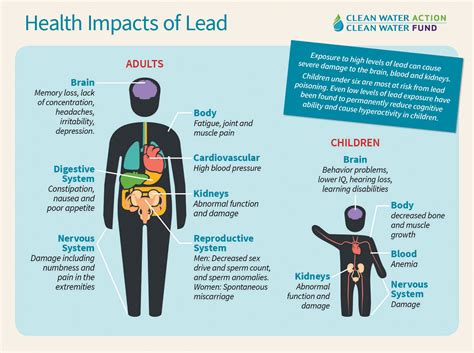
    Local News reports that 23 schools in the Boise area have a water faucets exposing students to elevated levels of lead. Lead is toxic, and if it makes its way into the still-developing brains of young children, many of the effects can be permanent. Lead can change how signals are passed within the brain, how memories are stored, even how cells get their energy, resulting in life-long learning disabilities, behavioral problems, and lower IQs.

    The news report came out November 30, 2018 regarding the Boise School District. Tests for lead at water faucets and fixtures at 27 schools across the district and of the more than 1,000 tests conducted, nearly 200 tested at elevated levels (above 15 parts per billion) of lead. The tests above the limit span across 23 schools in the district. 

    Borah, Capital, Hillside and Whittier all had at least one faucet or fixture with test results more than 100 times the limit set by the EPA (0.015 mg/L).

    After Fairmont Jr. High School saw elevated results in a test for lead, Boise School District officials say they began supplying water to the 27 schools and began tests of the faucets and fixtures that could be at risk of elevated lead levels. 

    Since October, more than 1,000 tests have been conducted and the nearly 200 fixtures and faucets which tested at elevated levels are in the process of being removed and replaced. In the meantime, the District says it will continue to provide drinking water to those schools, as they have since the initial positive test. 

    While 23 schools saw at least one faucet with elevated lead numbers, Capital High School saw the most test results (44) above the 0.015 mg/L limit set by the EPA. Whittier Elementary School had 22 results above the EPA limit.

    When cells in the brain absorb lead, it tends to affect the frontal cortex, the area responsible for abstract thought, planning, and attention, and the hippocampus, essential to learning and memory. 1

    For a complete list of schools tested and links to each school’s results, click here.

    The Boise School District has a page with information about the lead tests and what parents need to know about safety and next steps. You can access that page here.

    The following schools had at least one faucet or fixture test with levels above the 0.015 mg/L limit: Borah, Capital, Collister, Fairmont, Fort Boise, Garfield, Hawthorne, Highlands, Hillside, Jefferson, Koelsch, Liberty, Madison, Maple Grove, Monroe, Mountain View, North, Owyhee, Pierce Park, Taft, Valley View, Washington, Whittier.

    The following schools had no faucets or fixtures test with levels above the 0.015 mg/L limit: Adams, Boise, Hillcrest, Longfellow.

    What are the health effects and dangers of lead?

    But the resulting symptoms vary a lot between individuals, says Jay Schneider, a neuroscientist at Thomas Jefferson University “You don’t often see the same kinds of cognitive dysfunction in all kids,” he says. “From what our research has shown, there are very significant differences in the way different brains respond to this particular toxin.” 1

    Since lead is stored in the body, a person can get poisoned from exposure to just small amounts of lead over a long period of time (chronic exposure).  You do not need to get exposed to just large doses of lead to be poisoned (acute exposure).  It can take months or years for the body to get rid of lead.  A person will continue to be exposed to lead internally even after the actual exposure to lead stops.

    How Does Lead Cause Neurological Damage?

    Lead can be ingested, through water or other contaminated substances–the Environmental Protection Agency limits the amount of lead in water to 15 micrograms per liter, though some toxicologists think that limit should be lowered to 10 micrograms per liter. Lead can also be inhaled or sometimes even absorbed through the skin, though lead can’t move from water into skin, so it’s safe to bathe in lead-contaminated water as long as you don’t drink it.

    Once it’s in the body, lead competes with calcium to be absorbed by the body. There are lots of factors that can affect just how much of the lead is absorbed, but there is an overall higher absorption rate for lead that is inhaled versus ingested. It sticks to red blood cells—doctors usually test the blood for proof of exposure to lead—and then moves into soft tissues, like the liver and lungs. If lead is absorbed into bones, it can stay there for decades and recirculate in the person’s blood if a bone is broken or when a woman is pregnant, potentially poisoning both the mother and the fetus. The amount the body absorbs depends on the route of exposure.  In general, an adult will absorb 10-15% of the lead in the digestive system, while children and pregnant women can absorb up to 50%.  People will absorb more lead if they are fasting or if their diet is lacking in iron or calcium.2

    A local doctor interviewed by 6 On Your Side said: 

    “Any neurological effects, (from exposure to the lead contaminated water fountain) Dr. Mark Uranga of St. Luke’ said, from minor exposure like this are very unlikely.”

    The U.S. National Toxicity Program states:

    The NTP concludes that there is sufficient evidence for adverse health effects in children there is sufficient evidence that blood Pb levels <5 µg/dL are associated with increased diagnosis of attention-related behavioral problems, greater incidence of problem behaviors, and decreased cognitive performance as indicated by
    (1) lower academic achievement,
    (2) decreased intelligence quotient (IQ),and
    (3) reductions in specific cognitive measures.

    There is also limited evidence that blood Pb <5 µg/dLis associated with delayed puberty and decreased kidney function in children ≥12 years of age. There is sufficient evidence that blood Pb levels <10 µg/dLin children are associated with delayed puberty and reduced postnatal growth. 3

    RESOURCES:

    1 https://www.popsci.com/lead-water-what-are-health-effects-dangers#page-2

    2 http://www.osh.net/articles/archive/osh_basics_2001_may26.htm

    3 National Toxicity Program printable brochure on low levels of lead: https://ntp.niehs.nih.gov/ntp/ohat/lead/final/monographhealtheffectslowlevellead_newissn_508.pdf

  • Our kids vaccines contaminated with LEAD

    Our kids vaccines contaminated with LEAD

    ITALIAN SCIENTISTS FIND UNEXPECTED CONTAMINANTS IN ALL PEDIATRIC VACCINES, INCLUDING LEAD, STAINLESS STEEL, TUNGSTEN, IRON, AND CHROMIUM

    New Quality-Control Investigations on Vaccines: Micro- and Nanocontamination 

    International Journal of Vaccines and Vaccination, January 2017, Dr. Antonietta M. Gatti, Stefano Montanari

    Summary: Scientists found contaminants in all vaccines that are not listed on the label of the vaccines. “The analyses carried out show that in all samples checked vaccines contain non bio-compatible and bio-persistent foreign bodies which are not declared by the Producers, against which the body reacts in any case. This new investigation represents a new quality control that can be adopted to assess the safety of a vaccine. Our hypothesis is that this contamination is unintentional, since it is probably due to polluted components or procedures of industrial processes (e.g. filtrations) used to produce vaccines, not investigated and not detected by the Producers. If our hypothesis is actually the case, a close inspection of the working places and the full knowledge of the whole procedure of vaccine preparation would probably allow to eliminate the problem.”


    Vaccine Safety a Concern

    Vaccine safety appears to be a concern of new US President Donald Trump. Early in his presidency he tapped Robert Kennedy Jr to head up a vaccine safety commission. Media decried that thought.
    Parents and doctors alike ask what harm could come from independent studies on the safety of our children’s vaccines?
    Why WOULDN’T anyone want to make sure what we are injecting into their developing bodies is safe?

    Feb 14, 2017 in WASHINGTON, D.C. — A new organization launched calling themselves “Vaccine Safety Commission”, a nonprofit organization that was formed by “concerned scientists, doctors, journalists, and parents.” For now, the group has chosen to remain anonymous, but I certainly hope that changes soon. The group has no formal affiliation to either Robert F. Kennedy or President Trump, but wholeheartedly endorses the formation of a Vaccine Safety Commission, and claims to be actively seeking additional members.

    • New nonprofit organization launched today, Vaccine Safety Commission
    • They list 50 studies the AAP “forgot” to send President Trump
    • Scientists, Doctors, and Journalists supporting the formation of a true, independent commission to study vaccine safety

    RESOURCES:

    https://medium.com/@jbhandley/vaccine-safety-commission-50-studies-the-aap-failed-to-send-president-trump-bdc03a4ca8c9

  • Advocates Petition FDA: Remove Neurotoxin from Hairdye

    Advocates Petition FDA: Remove Neurotoxin from Hairdye

    WASHINGTON — A group of public health advocates today announced that the Food and Drug Administration will consider removing its approval of lead acetate in hair dyes such as Grecian Formula. The group filed a joint petition that requires FDA to revisit a 1980 decision allowing the neurotoxin and carcinogen to remain in hair dye. Lead acetate is the active ingredient that slowly darkens grey hair when used every few days.

    “An FDA ban on lead acetate is long overdue,” said Tina Sigurdson, EWG assistant general counsel. “Lead acetate can expose people to lead, which has been linked to serious health problems like developmental, reproductive and organ system toxicity, as well as cancer. It’s unconscionable that this potent neurotoxin is still used in a handful of men’s hair dye formulas. Lead acetate already has been banned in Canada and the European Union. It’s time for the U.S. to take action.”

    “We now know that lead is more dangerous, especially to children, and skin absorption is a more significant route than FDA thought in 1980,” said Tom Neltner, chemicals policy director at Environmental Defense Fund. “We also have evidence that when the dye is applied, lead spreads widely in the immediate environment. This puts more people, including children, at risk of unknowingly ingesting it.”

    “Government agencies at all levels are making great strides in reducing exposures to lead from legacy sources like paint, old water pipes and other uses long-since banned,” said Howard Mielke of Tulane University School of Medicine. “The fact that FDA continues to allow a dangerous toxicant like lead acetate in consumer hair coloring products is shocking. Our petition would force FDA to get the lead out of cosmetics being sold, haphazardly used by consumers, and stored in home medical cabinets. The FDA action will bring its regulation into the 21st Century.”

    “Lead poisoning is not a problem of the past, and we will continue to damage our future and our children’s future if we do not commit to removing all sources of lead from our products, air and water,” said Eve Gartner, litigator in the Healthy Communities Program at Earthjustice, where she heads efforts to protect human health from toxic chemicals. “It is unacceptable that as we struggle to remove lead contamination in our water supplies and old homes, we still allow lead in home-use hair dyes that many people apply by hand on a daily basis. The FDA must take action now to protect people from this continued source of exposure to lead.”

    “Nearly twenty years ago, CEH action created strict rules to protect California consumers from lead acetate in hair dyes. It is long past time for FDA to take action to protect all Americans by banning this unnecessary and toxic ingredient,” said Caroline Cox, research director at Center for Environmental Health.

    In 1980, the FDA approved lead acetate as a repeated use hair dye with minimal restrictions, including a warning label and a restriction that it only be used on the scalp and not facial hair. The levels of lead in the product are allowed to be as high as 6000 ppm. Three years earlier, the Consumer Product Safety Commission banned the sale of household paint containing more than 600 ppm of lead.

    The petitioners cited major advances in science since the 1980 FDA decision allowed lead to remain in hair dye. The petition cites a study showing lead contamination from the hair dyes—especially on surfaces touched after using the hair dye like blow-dryers, combs and faucets.

    The study found these surfaces had up to 2,804 micrograms of lead per square foot. In 2001, the Environmental Protection Agency said that more than 40 micrograms of lead per square foot on the floor posed a hazard to children.

    Dr. Maricel Maffini, an expert consultant to EDF, said that “The risk from an innocent mistake is real: one user who didn’t realize it should not be used on the beard lost feeling in his hands and feet after only seven months. He did not return to normal for a year.” 

    While use of lead acetate remains common in the United States, it is prohibited in Canada and in the European Union.

    The petition was filed by Environmental Working Group, Environmental Defense Fund, Earthjustice, Center for Environmental Health, Healthy Homes Collaborative, Health Justice Project of Loyola University Chicago School of Law, Breast Cancer Fund, Natural Resources Defense Council, Improving Kids’ Environment, Consumers Union and Howard Mielke.

    Under the law, the agency must make a final decision within 180 days. If the petition is approved, the ban would be effective immediately upon publication in the Federal Register.

    ###


    Reporters also may contact Keith Gaby at the Environmental Defense Fund: TEL (202) 572-3336

    This article originally appeared at: http://www.ewg.org/release/advocates-petition-fda-bar-toxic-lead-compound-hair-dyes.
  • Lead and Lipstick: Shades of Darkness

    Lead and Lipstick: Shades of Darkness

    Coloring our puckers can come at a high cost – luxury-branded lipsticks aside. It’s the health cost that is causing more women concern as they think before they don the latest shades from global beauty brands. 

    A Food and Drug Administration study from 2012 showed that several hundred lipsticks from 20 popular brands all contained lead from the mineral pigments that color lipstick. 
    Lead is a nervous system toxin and can enter our bodies through drinking water, old paint and cosmetics. 
    If you’re pregnant, lead is particularly dangerous, and can cross into the placenta. When levels are high enough, permanent brain damage, learning, language and behavioral difficulties can occur. 
    EWG’s Skin Deep® database can help steer you in the right colorful direction. We can’t avoid all toxins, but we can be selective about some of the health and beauty brands that we put in and on our bodies. 
    Oh, and since manufacturers don’t have to label products with toxic ingredients, you might want to sign EWG’s petition and tell the FDA to update the law (largely unchanged since 1938) to protect us from unnecessary beauty toxins!

    Please add your name to EWG’s petition and tell the FDA to protect us from lead in cosmetics!