
Tag: local

  • Gems In the Gem State: McIntyre Pastures’ Focus On The Soil

    In this new series, Gems In the Gem State, we focus on our local food, health and environment heroes. We recently interviewed Maria McIntyre of McIntyre Pastures and loved what she had to share about the foundation of their meat and egg production: the soil. Their family farm saw its start 109 years ago. The farm is currently being run by the third and fourth generation family members who are loving this way of life and the nourishing products they produce.

    By Maria McIntyre

    Everything hinges on the health of our soil. The difference between nutrient-dense food – and food that is not – all stems back to the soil it was raised in or consumed from. In a healthy teaspoon of soil, there can be anywhere from 100 million to 1 billion microbes. 

    Most people in agriculture don’t take time to try and understand what it takes to make these microbes happy. We don’t want to profess to know it all, because we feel like we might know 1/10 of a percent of how the soil functions, but…one thing we do know is that they need food and a safe habitat just like any other animal to be successful. 

    We have just as big of a responsibility to tend to the “livestock” that is under the ground as we do to what is grazing and living on top of the soil. 

    On our farm we do not till the soil, so we don’t disturb the habitat for the microbes. We constantly keep living roots in the soil via perennials and cover crops so they are giving off life-supporting food sources to the microbes. We also employ ruminants (cattle) to graze the plants and convert the plant material into another food source (manure and urine). All of this turns into nutrient dense grass and then, finally, nutrient dense meat and eggs. Behind our cattle, then come our chickens to do their valuable work. 

    What does this mean for you, the consumer? 

    A quote we found intriguing and alarming is this: “You would need to eat twice as much meat, 3 times as much fruit, and 4-5 times as many vegetables to get the same amount of minerals as available in the same foods in 1940” (Dr. Christine Jones, Amazing Carbon founder). 

    You can get overwhelmed with labels or even claims made on how your food is produced. If you do value the kind of nutrients that are being transferred to the foods you eat, you need to know the source of your food. Know your farmer. Know his or her practices. Know that what is being claimed is actually what is happening.

    These photos below help illustrate what we are doing here at McIntyre Pastures.

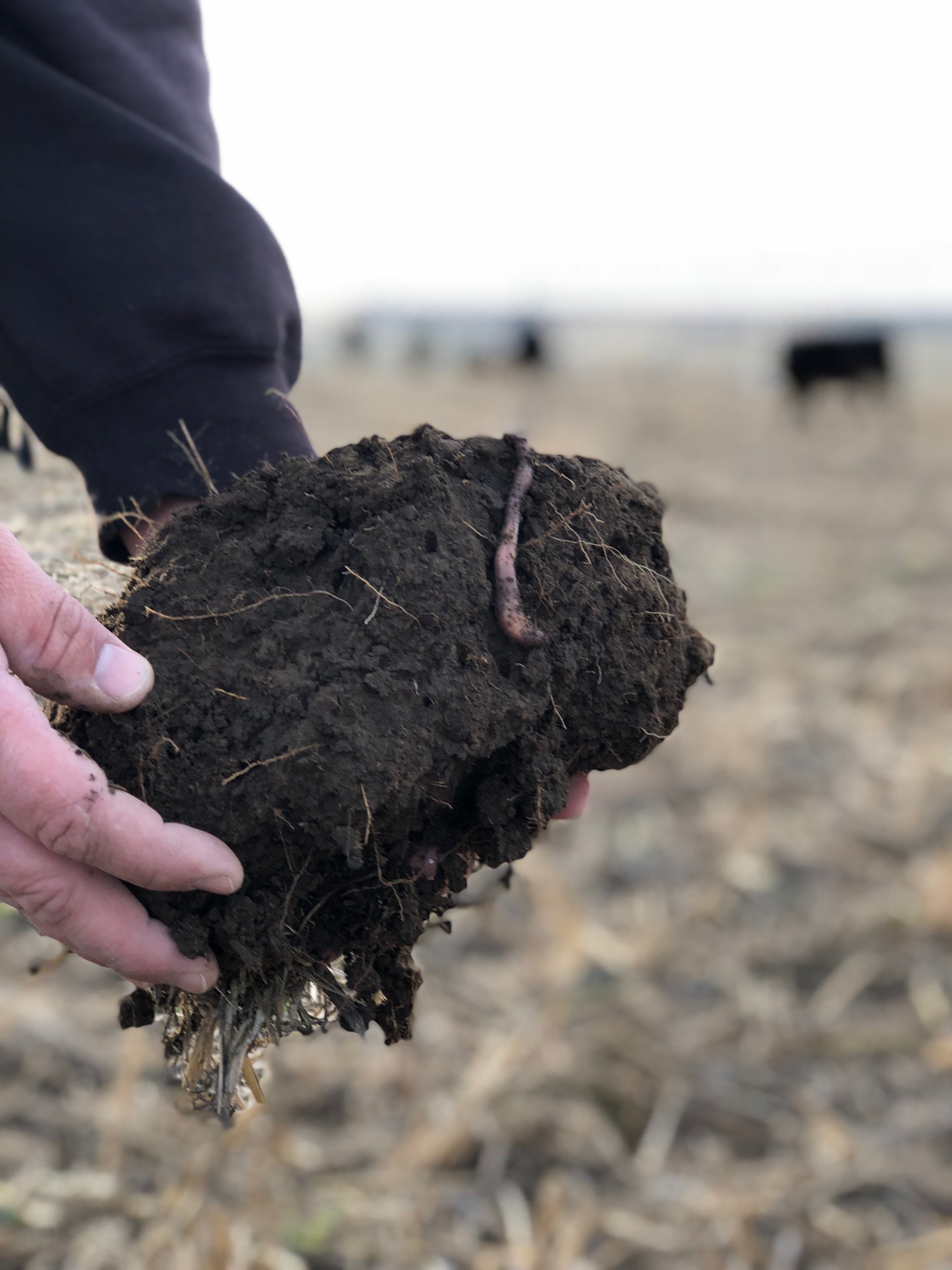
    The picture of the soil is from just last week! We seeded a cover crop (polyculture) early last fall for our mother cows and their calves to winter on. As spring has come, the plant matter (which included turnips, black oats, chickory, radish, collards, italian rye, and much more) has all been eaten, broken down, and re-deposited in the form of manure and urine. Look how happy the soil looks! Worms, worm casts, aeration and more, in abundance. 
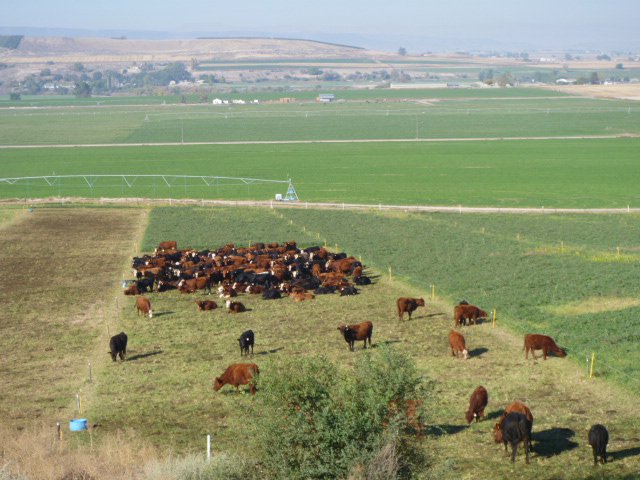
    The pictures of the cattle grazing in paddocks shows how soil health is built by rotating (very often) the ruminants across a large area by sectioning it off. This spreads the urine and manure instead of letting them stay in an area for a long amount of time, thus building up the nutrients and minerals in the soil. 
    The chickens follow behind the cattle in such a great circle. They clean up what the cattle have left behind and deposit more manure and urine in the soil. They also glean from the manure the cattle have left and help naturally ‘sanitize’ the pasture by eating fly larva and insects.

    The picture of the eggs compares our pastured eggs (the darkest orange yolked one) to a ‘free range’ and confined, ‘organic’. Although color is not a complete test, it is a great indicator of nutrient content. 

    By pasturing our chickens behind the cattle and rotating them on healthy pasture and cover crop, scratching manure behind the cattle for flies and larva, coupled with non-GMO / soy free feed and minerals free choice, those benefits they are drawing from the soil are passed onto the consumer in the egg. Again, make sure you know what you are getting.

    We love what we do here on the farm and especially appreciate providing nourishing food to people, while fostering a highly sustainable ecosystem for our animals and soil.
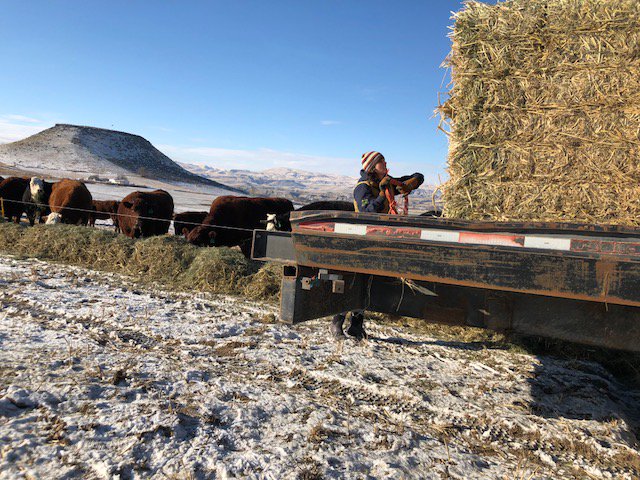


    You can read more about McIntyre’s farming practices on their website.

    If you’re interested in purchasing their meat and eggs, you can buy at select markets or order online and pick up at a number of locations in the Treasure Valley. McIntyre also provides products to local restaurants.

  • Eating Out? First Visit The Eat Well Guide

    HFI: What a wonderful resource to eating well wherever you are! These days, it’s hard to trust that the food you’re eating was produced in a safe, humane and sustainable manner. From their site: “We built the Eat Well Guide to make it easier to find good food and to support local farmers, restaurateurs and others who are doing their best by their customers, their workers and the planet. We personally vet every business that goes into the Guide, and we never charge or accept money in exchange for inclusion.”

    The Guide’s thousands of listings include restaurants, farms, farmers’ markets, stores and more. Search by location and/or category, or check out our city guides to find tailored listings for restaurants and other sustainable vendors in cities across the US.

    Visit the Eat Well Guide

    We’ve set out to map the sustainable food system. We can do a lot on our own, but we can go further, faster, with help from people like you all over the country. If you know of a sustainable business that should be listed in the Guide, please tell us! You can also use the “Help Improve This Listing” button to let us know about any errors, or to flag a business if you don’t think it belongs in the Eat Well Guide.

    Standards for Inclusion

    Sustainable agriculture means producing food using farming techniques that protect the environment, public health, human communities and animal welfare. This allows farmers to supply healthful food without compromising future generations’ ability to do the same. The Eat Well Guide includes sustainable farms, along with restaurants, markets and other businesses that offer sustain-ably produced foods.

    Our Process

    The Eat Well Guide is a labor of love – it’s a nonprofit endeavor and has always been completely free for those who use it and for all the businesses listed within. Over the course of the Guide’s decade-plus history, we’ve built the nation’s most robust directory of sustainable food purveyors through staff research, and with suggestions from individuals, partner organizations and the owners of many of the businesses we list.

    Our staff reviews all listings before adding them to the Guide by checking websites and/or calling businesses. Although we’re not a certifying agency, we make every effort to ensure that each listing meets the standards outlined below. We also make note of any sustainability certifications a business has earned from third-party certifiers on its listing page.

    Our Standards

    FARMS

    We list sustainable farms and ranches that offer foods including beef, dairy, eggs, pork, poultry and produce, along with U-pick farms and Community Supported Agriculture (CSA) programs that: 

    • Promote animal welfare and raise animals on pasture without non-therapeutic antibiotics, synthetic growth hormones or the confinement systems used on industrial operations.
    • Protect biodiversity, soil, water and other natural resources, and avoid use of toxic pesticides, synthetic fertilizers and genetically modified (GM) crop varieties.

    While many farms listed in the Guide are USDA certified organic, we also include farms that are in the process of transitioning to organic, farms that go above and beyond the organic standards and farms that choose to use sustainable production techniques without seeking organic certification.

    RESTAURANTS

    We list restaurants that: 

    • Offer foods prepared with ingredients supplied directly by local, sustainable farms and other purveyors of local, sustainable food. Since seasonal growing conditions and access to sustainable farms vary widely across the country, we don’t require restaurants to source exclusively from local, sustainable farms. We include restaurants that make a sincere effort toward sustainability by sourcing the most sustainable ingredients as often as possible.

    BEER, WINE AND COCKTAIL ESTABLISHMENTS

    We list breweries, wineries and bars that: 

    • Demonstrate a commitment to sustainability by offering beer, wine and/or liquor produced using ingredients from growers who have achieved organic or biodynamic certification or practice sustainable growing techniques; abstain from the use of industrial pesticides and/or preservatives; utilize agricultural methods that promote biodiversity and soil enrichment; and conserve water and protect natural resources.

    STORES

    We list stores including bakeries, butcher shops, cheese shops, co-ops, fish markets, online shops and other specialty shops that:

    • Offer foods supplied directly by local, sustainable farms and other purveyors of local, sustainable food. Since seasonal growing conditions and access to sustainable farms vary widely across the country, we don’t require stores to source exclusively from local, sustainable farms. We include stores that make a sincere effort toward sustainability by offering the most sustainable foods as often as possible.
    • Fish markets must demonstrate a commitment to sustainability by selling seafood that is fished or farmed in ways that have less impact on the environment. For more information on sustainable seafood, please see Food & Water Watch’s Smart Seafood Guide.

    FARMERS’ MARKETS

    We list farmers’ markets that:

    • Offer foods supplied directly by local, sustainable farms and other purveyors of local, sustainable food.

    CHEFS, CATERERS AND MEAL DELIVERY

    We list chefs, caterers and meal delivery services that:

    • Offer foods prepared with ingredients supplied directly by local, sustainable farms and other purveyors of local, sustainable food. Since seasonal growing conditions and access to sustainable farms vary widely across the country, we don’t require chefs, caterers and meal delivery services to source exclusively from local, sustainable farms. We include chefs, caterers and meal delivery services that make a sincere effort toward sustainability by sourcing the most sustainable ingredients as often as possible.

    BED AND BREAKFASTS

    We list bed and breakfasts and farm stays that:

    • Provide overnight guests with foods supplied directly by local, sustainable farms and other purveyors of local, sustainable food. Since seasonal growing conditions and access to sustainable farms vary widely across the country, we don’t require bed and breakfasts to source exclusively from local, sustainable farms. We include bed and breakfasts that make a sincere effort toward sustainability by sourcing the most sustainable ingredients as often as possible.

    ORGANIZATIONS

    We list community gardens, education centers and organizations that:

    • Promote a more sustainable food system through education and/or advocacy.
  • Cooking with Kids Event at the Boise Co-op

    Cooking with Kids Event at the Boise Co-op

    This is a fun event for families. This Saturday, March 18th, from 10:30 – 11:45am, bring your kids to the Boise Co-op at The Village at Meridian, for a fun, inclusive event that will optimize nutrition and taste in some fun-to-eat recipes like avocado-yogurt dip, green fruit skewers and a sauce that will make sauteed broccoli more attractive and delish. All recipes are grain- and nut-free (one has dairy). 
    Cost: $12 (co-owners) and 15 (non-owners). Suggested age range: 5-10 years old. Kids up to age 12 or 13 are welcome to join us if they are not experienced cooks, this class is designed for the beginner to intermediate parent-helper.

    Adults are free with paid kid’s registration. Each child will require a purchased ticket.

    Suggested age range: 5-10 years old. Kids up to age 12 or 13 are welcome to join us if they are not experienced cooks, this class is designed for the beginner to intermediate parent-helper.

    Location: Boise Co-op at The Village, 2350 N. Eagle Rd., Meridian, ID 83646

    Register here!

    About the host: Kendy Radasky, a Nutritional Therapist and self-described foodie enjoys testing new recipes on her picky 6-year old son. Her two favorite places to spend time are the garden and the kitchen – using fresh, organic, homegrown ingredients in the meals and snacks she creates for her family. Both she and her son experience food sensitivities, so much of Kendy’s exploration with new recipes centers around gluten-free, grain-free, and dairy-free options. In her work as a Nutritional Therapist, Kendy guides mothers and moms-to-be, who sometimes feel depleted by the responsibilities of family and work, to deeply nourish themselves so they can reclaim their vitality and creativity, and more fully nurture those they love.

  • Our Farmers Markets

    Our Farmers Markets

    From savoring produce at the peak of freshness to meeting the people who grow your food, there are countless reasons to support farmers markets. Most food found at the farmers market is minimally processed, and many of our farmers go to great lengths to grow the most nutritious produce possible by using sustainable techniques, picking produce right before the market, and growing heirloom varieties.

    Ashton
    Henry’s Fork Farmers Market
    Boise
    Boise Farmers Market
    Capital City Public Market
    Stage Stop Market
    Bonners Ferry
    Bonners Ferry Farmers Market
    Buhl
    West End Senior Center Wednesday Farmers Market
    Caldwell
    Caldwell Farmers Market
    Coeur d’Alene
    Barnyard Market
    Kootenai County Farmers’ Market

    Driggs
    Driggs Farmers Market
    Eagle 
    Eagle Saturday Market
    Emmett 
    Valley of Plenty Farmer’s Market
    Hailey
    Hailey Farmer’s Market
    Hayden
    Kootenai County Farmers’ Market
    Idaho Falls
    Idaho Falls Farmers’ Market
    Jerome
    Farmers Market at the Crossroads Point Business Center
    Kellogg
    Silver Valley Farmers Market
    Ketchum
    Ketchum Farmer’s Market
    Kuna
    Kuna Farmers Market
    Lewiston
    Lewiston Farmers Market
    McCall
    McCall Farmers Market
    Meridian
    Meridian Farmers’ Market and Bazaar
    Middleton
    Middleton Farmers Market
    Moscow
    Moscow Food Coop Tuesday Growers’ Market
    Moscow Farmers Market

    Mountain Home
    Mountain Home Farmers Market
    Nampa
    Nampa Farmers Market
    Pocatello
    Portneuf Valley Farmers Market
    Post Falls
    Post Falls Local Market
    Rexburg
    Rexburg Farmers Market
    Sandpoint
    Farmers Market at Sandpoint
    Shoshone
    Lincoln County Crossroad’s Farmer’s Market
    Rathdrum
    Rathdrum Farmers and Artisan Market
    Riggins
    Salmon River Canyon Farmers’ Market
    Twin Falls 
    Market on Main
    Twin Falls Farmers Market

    Victor
    Victor Farmers Market

    Are we missing a market? SHARE WITH US so we can update the list.
  • New bakery, cafe opens in Boise with taste for organic

    New bakery, cafe opens in Boise with taste for organic

    Poppy Seed Bakery + Cafe rumor has it the food is great and atmosphere inviting. 
    Supporting the local organic industry. 
    If you have enjoyed their food please SHARE as review with us!! 
    excerpt from Idaho Statesmen:

    “Ninety percent of anything I make, I make sure it’s organic,” Reynolds said. “We wanted to bring in some fun drinks and do good, homemade-from-scratch baked goods, but also using some quality ingredients.”

    They even make all-organic syrups from scratch in flavors such as lavendar, vanilla, chai and pumpkin.

    Baked goods range from banana bread and blueberry muffins to Ma Ma Susan’s Poppy Seed Cake. For people with allergies, Reynolds created wheat-free, dairy-free, egg-free, nut-free, processed-sugar-free Happy Belly Bars ($3.50). They’re made with gluten-free oats, dates, figs, dried cranberries, shredded coconut, dried apricots, applesauce, flax seed, pumpkin seeds and coconut sugar.

    Got a sweet tooth? Grab a cookie — or organic cotton candy, which comes in flavors such as mango, watermelon and passion fruit.

    Hours: 7 a.m. to 3 p.m. Tuesday through Friday, 8:30 a.m. to 2 p.m. Saturday.
    Poppy Seed also will be open Sunday from 8:30 a.m. to 2 p.m. through the holidays. Phone: (208) 570-7164. Online: Facebook.com/poppyseedboise.