
Tag: natural cancer treatments

  • When Cancer Strikes

    April 3rd, 2016, our world was turned upside down with the word –
    CANCER. Our precious 4 1/2 yr old had entered the fight of his life.

    Coral, a Certified Holistic Nutritionist from Reimagine Healing shares briefly about her family’s journey through the pediatric cancer diagnosis of her young son and the steps she took to support her son’s healing.


    You have just had the rug yanked out from beneath your feet. What you thought you knew has been thrown into a pile out behind the barn of your mind as the manure one chucks from a barn floor. The hopes and dreams you had for your precious child become expectation fodder as you grasp for your next breath.

    The Diagnosis

    Your child has just been diagnosed with cancer. Now what?

    Very quickly your world fills up with “white coats”, as I call them. Roadmaps of treatment are thrust at your chest like arrows, piercing your heart and shaking you to the core. There is much mentioned about what has to be done… what is going to happen… and for most of it, you have little to no input. Those white coats visit you frequently yet you constantly feel like you have no new information.

    The Dangerous Question

    When you finally catch your breath, regain strength in your knees, and have the first clear thought… you start to ask yourself

    “Is this how I want to treat my child?”
    This is a dangerous question. Why?

    • A) you are on shaky ground when you question the standard of care
    • B) if you find you don’t want to do it their way you have little to no resources to pull from.

    That was my experience.

    I quickly realized how ill-equipped the medical system is for actually healing human bodies.

    Nutrition Ignored

    As a Certified Holistic Nutritionist, I was shocked when the white coats, right out of the gate, told me “Let him eat whatever he wants.” Say what?! That is never good advice for anyone… ever, let alone a small child who has entered the fight of his life. Having this huge chasm between them and myself led me to remain cautious throughout the journey.

    Standard of Care Inconsistent

    The standard of care made NO SENSE to me. Why are they treating cancer with known carcinogens (cancer-causing agents)? Why are they using steroids if I can’t get the same answer from three different MDs? Why would my son endure an extra year of treatment compared to his female counterparts when the study that decision was based on hasn’t been challenged in over 40 years?
    (*Since my son started treatment the COG – Children’s Oncology Group – has since looked into and decided to change this protocol.)

    Many Protocols “Just-in-Case”

    I would ask a ton of questions. Most of the answers were never sufficient for me. Mainly because I didn’t think this was the best way to treat my son. I mean, let’s be real, he didn’t have a chemotherapy deficiency (he was given 10 different chemotherapy drugs). Nor a steroid deficiency. He was never constipated yet they gave him Miralax and Senna daily (until I woke up!). Miralax is not intended for use in children and is not intended for extended use but they would give it to my son DAILY as a prophylactic – a just-in-case medication. Once I realized certain things were not required, I had them change the instructions for all of those items to “as needed” because I got tired of refusing them.

    The Talk and Threat of CPS

    Then came The Talk… you’ve heard about it, but until you have been in the room having it you just don’t get it. It’s the conversation where they gently threaten you with CPS should you decide to not comply with the required treatment. People still think this doesn’t happen. I’m telling you IT DOES. When you are new to the ways of the medical system it is scary, overwhelming, and you feel your power lessen.

    My husband and I certainly didn’t have the finances to lawyer up and fight and there are no organizations providing pro bono lawyers either – at least not in our area. So, I bolstered what courage I could, wrapped it in anger, hit my knees in prayer, and suited up to fight for my son the best I could. Since I couldn’t protect him from the drugs themselves I opted to prime and protect his body from the side effects.

    Power of Knowledge

    With each new phase of treatment, we were given cheat sheets about the drugs that would be included in that phase. I’m sure you’ve received a cheat sheet before. It’s the single 8.5×11 sheet of paper with the drug name, its intended use, and a few side effects listed to help you feel informed. What a load of crap. When you hop on your computer, open your search engine of choice, and type in the name of the drug on the page, you quickly realize the side effects are a mile long and some of the intended uses would simply blow your mind. Yet, I found each of these cheat sheets to be a road map to hope and empowerment.

    I took those sheets, inputted the information in a search engine, and when that mile-long list of side effects was spit out I categorized them according to the body system. Once categorized I would open my holistic bag of tricks and find what was necessary to both prime and protect my son’s organs and systems.

    Restricting Natural Supplements

    Remember, their nutritional advice was “let him eat whatever he wants” and that was followed up shortly with “no supplementation” along with the fact that “we don’t believe essential oils work”. So, you could see what I was up against. *insert eye roll here* Knowing their stance on supplements, and this not being my first rodeo, I asked this question: What are his whole food restrictions? I was told not to supplement him so I figured there would be some restrictions when it came to whole food. Nope. Not a single restriction regarding whole food. Not one? Not one. He could eat as much fish as he wanted. He could eat as many grapefruits as he wanted. He could eat as much spinach, chard, kale, lettuce, butter, chicken, eggs, milk, etc as he wanted.

    Sweet! That means he can have the supplements we use since they are whole foods from the human food chain that have been juice extracted and dehydrated with no fillers and tested for over 200 toxins to an acceptable limit of zero.

    Food the Ultimate Support and Defense

    I had already made up my mind that they could not control what I fed my son and that meant I would supplement him. Why? Because there is no way his little body could physically consume, process, and absorb all the nutrients he would need to kick cancer’s butt. He would HAVE to have supplemental concentrates to help his body fight and win against leukemia. So, that is what we did. I made a supplemental regimen for him and he soared through treatment. No negative side effects to the myriad drugs he was given – each with their mile-long side effect list. Yes, he lost his hair, but I don’t count that as a negative since it grew back as quickly as it left.

    With that fact in the books, NO DOCTOR ASKED WHAT WE WERE DOING. The closest we got to doctor’s inquiring was when an incredible palliative care oncologist looked at my son’s numbers, pointed to his liver enzymes, and remarked, “Whatever you’re doing, keep doing it.” That was all the validation I needed to keep doing what we were doing.

    Essential Oils

    Then came the use of essential oils. Once again it was me versus them. I know essential oils work – my whole family has benefitted from them for years. So, while we were in-patient, I brought a diffuser to the hospital room. I also had roller bottles of specific oils to apply topically. We used oils that would support his body as it made new marrow, encouraged apoptosis of sick cells, worked to keep any digestive issues at bay, helped him manage his emotions, and much more. We would even detox bathe him while being infused (Epsom salt, baking soda, issue-specific oils). I began to notice that nurses lingered in our room. The CNAs would comment on how wonderful the room smelled. More employees seemed surprised at how joyful my family was despite living on the oncology floor for a month.

    More than Food and Oils. The Power of Faith!

    It wasn’t just the oils and whole foods. Our faith played a huge role in our journey. I believed in my heart that the Lord is good. I know in my head that he never changes his character. I had to reconcile the fact that my son’s cancer was part of a perfect plan. A perfect plan, yes, but not perfect by my standards. When the shock wore off (it took a few weeks) I was able to switch from the question of “Why my son?” to one of “Why not my son?” Why not my family to shed light on the goodness of God and the benefits of holistic modalities? That children’s hospital quickly became a mission field and we planted not only seeds of spiritual value but also of health, wellness, alternative thinking, and hope.

    Not Going Back

    My family was so different than the majority of patient families that we made nurses cry. We weren’t mean, let me explain. When we were being discharged at the end of Induction we were told that we would be back at the hospital for a whole host of issues – flu, fever, nausea, vomiting, constipation, diarrhea, neuropathy, fatigue, mucositis, and more. These, of course, are all normal and to be expected on a cancer journey. When the nurse finished listing what was expected and telling us we would be back… I thought to myself, “The hell we will!” I meant it.

    I wasn’t about to come back to this place that had flipped my world upside down, threatened me with CPS, and completely ignored thousands of years of wisdom for healing the body. I was gonna show them! And I did. It was six months before my son was required to go back to the hospital for Interim Maintenance (four 4-day stays with ten days in between each stay). When we were finally back at the hospital several nurses saw him and cried happy tears.

    Why is this such a big deal? Well, you see, they hadn’t seen hide nor hair of him in MONTHS. They assumed the worst had happened. They were elated that he was alive, happy, “healthy”, and full of energy. It was the first chance we’d had to water the seeds we planted months prior.

    Key things we did throughout his treatment: Prayer, Organic food, cooked and prepared at home. Whole food supplementation. Essential oils. Acupuncture. Exercise: running, trampoline, bike riding, Detoxing (mainly baths)

    Fast forward 864 days.

    By this point, we opted to move our family on faith, without jobs lined up, out of one state and into Idaho. We found a wonderful oncologist at St. Luke’s! From the moment we met him I was talking about ending my son’s treatment early. My husband wasn’t 100% ready to commit to that when we moved but a mere five months later he was and we ended our son’s treatment 1,026 days after it began. That was still 193 days ahead of schedule according to the “plan”. HALLELUJAH!!

    Fear and Regrets?

    Do we have any regrets? Absolutely not! Do we have any fear? A little. Cancer brings so many emotions to the forefront. Remember, everything we knew, or thought we knew, had been yanked from beneath us. That messes with you, to say the least.

    Forever Changed

    People think that just because our son’s treatment is finished that our lives magically return to the normal we knew prior to diagnosis. IT DOESN’T WORK THAT WAY. We are forever changed. We are now in our third “new normal”, at least. Every little ache, every little mysterious symptom sends us hurtling back to that night in the ER when our lives took a dark turn. The PTSD is real and sadly it seeps into almost every day.

    Triggers need to be addressed, avoided, and dealt with regularly. We can no longer carefreely enjoy birthday parties or restaurants as we have to remain diligent with our food quality. Our bank account is still being squeezed because of the whole food supplementation we provide our son because we are still in another year of firsts post-treatment. We plan to give his body the best possible chance at healing, detoxing, and repairing whatever cancer or treatment did to it. Suffice it to say we now live in a state of “new”.

    Mentor Business Born.

    Your Guide through the Cancer Journey.

    My goal through my business (which came out of the journey with my son) is to bridge the gap between what white coats tell you and what your intuition tells you. As a Momma Mentor with an incredible non-profit, I seek to encourage moms (dad’s too) who are on this journey and wish to incorporate more holistic/ natural elements into their child’s treatment.

    I am now in the business of showing people how to do just that – a sort of one-stop-shop or cancer tour guide walking alongside you as YOU craft your own healing journey by discovering a broader view of healing and the myriad of options available to you.

    Coral Kenagy, CEO of ReimagineHealing

    I utilize the non-profit’s 7-point action plan that focuses on food, exercise, rest, community, meditation, positive thoughts, and lessening toxin exposure. In short, I have become the guide that I needed when my son started his cancer journey. Why? Because there is a need and I plan to fill it in order to give these families THE BEST chance for healing, hope, and THRIVERSHIP. Through education, encouragement, and empowerment I know that the stigma and hopelessness surrounding cancer can change.


  • Combination Therapy for Autoimmune Disease, Cancer and Neuroimmune Disease using Botanical Compositions and Cannabis

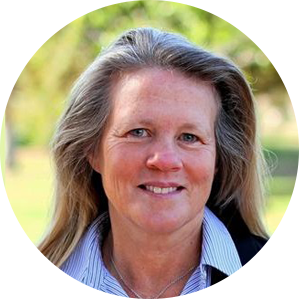
    At this year’s Natural Health Symposium, we welcome the return Dr. Judy Mikovits, an expert in the fields of immunology, biochemistry and virology from the National Cancer Institute. She will discuss the latest science behind medical cannabis, CBD and its use in cancer, autoimmune conditions, Lyme disease, chronic anxiety, and more. Judy began her early career in natural plant medicine and after spending decades in mainstream science, turned her attention back to natural healing remedies for immune health. She will share the latest research on the healing benefits of this sacred plant!

    PURCHASE TICKETS HERE

    Combination Therapy for  Autoimmune Disease, Cancer and Neuroimmune Disease using Botanical Compositions and Cannabis.

    molecular biologist Judy A. Mikovits, PhD

    Judy A. Mikovits, PhD has focused her life as a research scientist on curing cancer to honor her grandfather who died of cancer when she was a teenager. Dr. Mikovits earned her BA from University of Virginia and PhD in Biochemistry and Molecular Biology from George Washington University. In her 35-year quest to understand and treat chronic diseases, she has studied immunology, natural products chemistry, epigenetics, virology and drug development.

    In just over twenty years she rose from an entry-level lab technician to become director of the lab of Antiviral Drug Mechanisms at the National Cancer Institute before leaving to direct the Cancer Biology program at EpiGenX Pharmaceuticals in Santa Barbara, California where she had met and married David Nolde in 2000.

    There in 2006, she became attracted to the plight of patients with Chronic Fatigue Syndrome and Autism. In only five years she developed the first neuroimmune institute from a concept to a reality and is primarily responsible for demonstrating the relationship between immune based inflammation and these diseases. She has published over 50 scientific papers and the book, Plague.

    Dr. Judy A. Mikovits founded MARC, Inc. with her collaborator Dr. Frank Ruscetti.

    Website | Book Website | Facebook

    Dr. Judy’s Book: Plague: One Scientist’s Intrepid Search for the Truth about Human Retroviruses and Chronic Fatigue Syndrome (ME/CFS), Autism, and Other Diseases

    PURCHASE TICKETS HERE

  • Could Cannabis Be A Powerful Natural Weapon Against Cancer? The Evidence May Surprise You

    Cannabis is controversial, to say the least. It has been declared a schedule 1 drug by the DEA, and from there the idea that it is strictly recreational and even dangerous has spun out of control. What’s interesting is that cannabis was formerly used in medicine on a regular basis. 

    The earliest use of cannabis goes back as early as 500 BC China. The plant wasn’t grown for recreation, but for medicine. 

    Later, cannabis hemp strains would make their way to Africa, Europe, and the Americas to be used for textiles, paper, and rope. The seeds were used as food. 

    During the 1930s, an Irish doctor named Sir William Brooke O’Shaughnessy discovered that cannabis could help treat stomach aches and vomiting in cholera patients. Doctors throughout Europe and the United States were soon selling it to treat stomach issues along with other illnesses. It was found that THC (tetrahydrocannabinol) was the cannabinoid within the cannabis plant that was responsible for these healing abilities. THC was known to be psychotropic, but it wasn’t until the Mexican Revolution that marijuana was introduced by the Mexicans as a recreational substance. 

    The correlation between this introduction and the animosity felt against the Mexican immigrants moved the country to fear marijuana. By 1931, 29 states had banned cannabis. In 1937, The Marijuana Tax Act was put into effect criminalizing marijuana on a federal level. What is interesting is that this ban on cannabis seems to be more fueled by racial discrimination than by anything scientific. You’ll be hard-pressed to find it recorded in any scientific study that medicinal abilities of cannabis were ever denied. 

    In fact, over the years, more studies have come out with results supporting the idea that cannabis is still very much medicinal. Cancer has been the center of many of these studies. The positive results of this research should make the federal government jump for joy, knowing that the odds are against the U.S when it comes to being affected by cancer. These studies continue to be ignored, swept under the rug and rejected. But could there be hope in cannabis for cancer patients? The evidence suggests that there is a reason to believe that cannabis could be a viable option in the treatment of cancer and cancer-related side effects.

    A Brief Look Into Cannabis and Cancer Research

    Cancer has no longer become a disease that is absolutely fatal. Doctors have more resources at their fingertips than ever when it comes to offering treatments to their patients. However, it does seem that after spending billions of dollars on cancer research we should be a little further in knowing how to prevent and cure cancer. Even the treatments that are available now aren’t a sure thing and can even increase the risk of more cancer later in life. 

    Health care has grown leaps and bounds when it comes to preventing deaths due to strokes and heart attacks, but cancer deaths are still 1 in 4 a year. True, there are drugs like Gleevec for chronic myelogenous leukemia or Herceptin for a particular type of breast cancer that has been successful. The problem is that these drugs are so specific, and there are so many other cancers out there in need of a cure. Other cancer drugs are expensive and offer so little a return (maybe 2 to 6 more months of life) that national health care programs won’t even pay for them.

    So why, if The National Cancer Institute has spent billions of dollars on cancer research and treatment over the last 40 years, has there not been more progress? There are around 260 nonprofit groups for cancer, which is more than for heart disease, AIDS, Alzheimer’s disease, and stroke put together. Yet with all of this support we’ve only seen an approximate 1% decline in cancer deaths per year since 1990. Every life saved is a reason to rejoice, but as a whole, this statistic isn’t anything to write home about.

    So what can be done about it? Dr. Margaret Cuomo, the sister of Governor Andrew Cuomo of New York, wrote in her book, “A World Without Cancer:”

    “Simply put, we have not adequately channeled our scientific know-how, funding, and energy into a full exploration of the one path certain to save lives: prevention. That it should become the ultimate goal of cancer research has been recognized since the war on cancer began. When I look at NCI’s budget request for the fiscal year 2012, I’m deeply disappointed, though past experience tells me I shouldn’t be surprised. It is business as usual at the nation’s foremost cancer research establishment. More than $2 billion is requested for basic research into the mechanism and causes of cancer. Another $1.3 billion is requested for treatment. And cancer prevention and control? It gets $232 million altogether. (Remarkably, in the very same budget report, the NCI states, “Much of the progress against cancer in recent decades has stemmed from successes in the areas of prevention and control.”)”

    Preventing cancer is obviously key to being cancer free. It goes without saying that f you don’t have cancer in the first place, then a cure isn’t necessary. As research is done on cancer, however, understanding how cancers form and why becomes more clear. Cancer is a very complex disease, and there isn’t just one type to consider. Cancer can attack all throughout the body, and even within those particular cancers lies different cellular makeups that can’t all be treated the same way. It’s also hard to blame cancer research on things like prevention when we, as a society, are already aware of certain reasons why we get cancer. 

    Lung cancer, for one, is caused mainly by smoking, yet people still smoke. It is well-known that the United States is one of the most obese countries in the world, yet we continue to neglect our diet and exercise. Obesity is to blame for one-third of all cancers. This information has been published in numerous places, but our nation continues to ignore the warnings.

    More research on cancer prevention would absolutely be helpful, but it is ultimately up to us as a nation to keep ourselves healthy. We must also determine what is best for our family and ourselves as far as prevention and cure go. We cannot rely on organizations like the CDC to be our go-to when it comes to making decisions concerning our health. While stopping smoking and losing weight are both sound forms of advice, the CDC also recommends that adolescents take the HPV vaccine to lower their risk of ovarian cancer. But some have reported that in spite of receiving the vaccine, they still contracted ovarian cancer. Understandably, this vaccine is approached with caution as its vaccine insert states that the side effects could involve seizures. Other concerns have been brought up due to reported deaths after receiving the Gardasil vaccine. Certainly, this isn’t the best way to prevent cancer when dying from prevention is such a risk.

    Though cancer research has come a long way, it hasn’t come as far as we would like. We still have some steps to take before we can celebrate. However, researchers have brought something unique to the table when it comes to cancer treatment. Cannabis has been used by many cancer patients to help them stay more comfortable and pain-free during their treatments. Some patients even believe that cannabis itself is responsible for their cancer recovery.

    Cannabis isn’t the only plant that can potentially help you recover from cancer. Different foods such as cruciferous vegetables can give your body the fighting power it needs to get rid of or prevent cancer.

    Can You Eat Your Way To Recovery?

    Consuming ultra-processed foods only add to our risk of getting cancer. These foods contain substances called carcinogens which can lead to cancer. Known carcinogens like acrylamide are found in cigarette smoke and are also used in making plastics and dyes. This chemical is also found in certain foods such as bread, crackers, cakes, and potatoes when they are over-cooked. The International Agency for Research on Cancer classifies acrylamide as a “probabl[e] human carcinogen,” so avoiding foods like french fries, potato chips and in some cases coffee, could help you to lower your risk of getting cancer.

    Processed meats are also considered carcinogens and eating the equivalent of 50 grams a day (about one hot dog) can increase your risk of colon cancer by 18 percent. Sugar can also contribute to your risk of cancer. Added sugar such as high fructose corn syrup can increase the risk of getting colon cancer, esophageal cancer and breast cancer. Consuming sugar can also increase the likelihood of becoming obese, therefore increasing the possibility of getting cancer a well.

    These things are obviously bad for your health and can encourage cancer growth, but what can help fight cancer?

    Here are some foods that you should add to your diet now to help prevent or fight cancer:

    Leafy Greens

    Every time you read about eating healthy, leafy greens are always highlighted. This is because they are packed with vitamins and nutrients that help with overall health. Leafy greens such as collards, spinach and kale are particularly rich in vitamin C and beta-carotene, which are known cancer fighters. 

    These greens are not only full of antioxidants, but they are also a great source of glucosinolates, which means that they are antibacterial and antiviral. They can also inactivate carcinogens and help to kill cancer cells and prevent tumors from forming. 

    Isothiocyanates that are found in leafy greens can help your body to detoxify on a cellular level. Eating a serving of these leafy greens twice a day can help to boost your vitamin intake. If you’re not into leafy greens, you can always hide them by putting them in a smoothie or juicing them with other fruits and vegetables. 

    Berries

    Berries are some of the top antioxidant foods you can eat. They can help to increase immunity and help with aging. Berries can also increase your energy and have the ability to decrease damage from free-radicals. 

    Orange-Colored Fruits and Vegetables 

    Orange fruits and veggies such as citrus fruits, squash, sweet potatoes, and carrots are all high in vitamin A. One essential nutrient that is derived from vitamin A is beta-carotene. This nutrient is great for liver health, immune health, detoxing, skin health, eyesight and fighting cancer. We don’t usually envision carbs as healthy, but when it is a carbohydrate-rich vegetable, it’s a different story. 

    Vegetables such as sweet potatoes, carrots and beets can help to reduce cancer, specifically in the upper digestive tract. 

    Organ Meat 

    Though processed meat is to be avoided, natural organ meats are considered extremely nutritious and beneficial for a cancer-fighting diet. Meats such as beef and chicken liver are extremely high in vitamin B12 can help to remove toxins from the body. 

    Cruciferous Vegetables

    Vegetables are like cancer assassins. They include vegetables such as broccoli, cauliflower, Brussels sprout,  and cabbage. These foods are extremely high in vitamin C and are rich in glutathione. These vegetables have detoxifying properties and can help to protect the structure of DNA. 

    Mushrooms

    Mushrooms have long been known for their cancer-fighting properties. The benefits of mushrooms rely on what species you consume. Reishi, Cordyceps, and maitake are particularly good for immune health and can help fight against tumor growth as well as help with cell regeneration.

    Of course, just eating cancer-fighting food alone won’t make you an all-around healthy person. Regular exercise, getting enough sleep and controlling your stress levels are all necessary for keeping your body healthy.

    In some cases, cancer may still show up. It isn’t a cut and dry disease, and even genetics and environmental factors play a role in cancer. However, within the body is an amazing system of receptors called the endocannabinoid system which, with the help of cannabis, could have a lot to offer in cancer treatments.

    Cannabis and the Endocannabinoid System

    The endocannabinoid system is arguably one of the most important medical discoveries. The endocannabinoid system works directly with the central nervous and peripheral systems and can help to regulate the functions in these systems

    The human body naturally creates its own cannabinoids that work within this system, however, in some cases, these endocannabinoids can become imbalanced. When this happens various ailments involving appetite, pain and inflammation may occur. 

    Fortunately, these endocannabinoids have plant cannabinoid equals called phytocannabinoids that can help to bring the system back into balance. Within the endocannabinoid system are two main types of receptors called CB1 and CB2 receptors. These receptors are very similar but are found in different areas of the body. CB1 receptors are found primarily in the brain, but there are also some in the lungs, kidneys, liver, fat, heart, muscle and bone. CB2 receptors are mostly found in the immune system and blood system, however, there are some in the nervous system, liver, gut, muscle, and bone as well.

    Cannabis contains beneficial cannabinoids that, when consumed, may help to treat some diseases. Tetrahydrocannabinol (THC) and cannabidiol (CBD) are two cannabinoids that are making names for themselves. THC is mostly known for being the cannabinoid that gets you high. When THC enters the brain it binds with the CB1 receptors in the body’s endocannabinoid system, which can effect people in different ways. Typically these effects include paranoia, memory loss, heightened mood and increased appetite. THC is psychotropic, which is why it comes with a caution sign. CBD, however, does not have this psychotropic reaction and cannot get you high. Though THC is no doubt medicinally beneficial, CBD has become very popular in health care for its strict medicinal abilities. Since there is no way to get high on CBD, using it recreationally would be a bit of a bust.

    So what does this have to do with cancer?

    Cannabis has become, for some, the relief of choice during cancer treatment. Because the cannabinoids in cannabis can interact with receptors that influence functions within the brain and gut, many patients have found relief from their cancer treatment side effects by taking cannabis. Cannabis has been known to help treat these symptoms by improving appetite, relieving nausea and vomiting and reducing pain.

    The question remains, however: which cannabinoid is better for cancer? CBD or THC? The answer depends heavily on what you are trying to treat: The side effects of cancer treatments or cancer itself?

    CBD or THC: Which Is Best For Natural Cancer Treatment?

    There have been numerous studies done on the effectiveness of cannabis on killing cancer cells. Cancer in the breast, brain, liver, and blood have all had a spot in cannabis research studies. These studies showed that cannabinoids could induce apoptosis, which is programmed cell death in tumors. Cannabinoids can also stop the tumor from creating new blood cells, which essentially starves the tumor.

    One study done by Madrid’s Complutense University showed that one-third of rats that were injected with a synthetic form of THC had their malignant brain tumors eliminated. Another third had their life-spans extended.

    Another study that was published in the Journal for Molecular Medicine showed that cannabis extracts that contained high amounts of CBD (the non-psychotropic cannabinoid in cannabis) help to prevent colon cancer from spreading in mice. It was shown that this high CBD cannabis or “botanical drug substance” can actually stop the growth of tumors without harming healthy cells.

    In an article published in the American Association for Cancer Research, CBD was found to actually kill breast cancer cells. This study suggests that CBD can target only cancer cells resulting in no damage to normal breast tissue. This is pretty incredible considering that the two main cancer treatments available now, chemotherapy and radiation therapy, can both cause damage to healthy tissue.

    Even though studies like these continue to point at cannabis as a possible cure option, doctors are still unsure of its cancer-fighting abilities.

    Dr. Abrams, who is an oncologist and cancer and integrative medicine specialist at the UCSF Other Center for Integrated Medicine at Mount Zion in San Fransisco, has been in this line of health care for a long time. As California has legalized medical marijuana for cancer patients, he has observed many patients use the plant to ease their treatment side effects. He states:

    “[After] 33 years of being an oncologist in San Francisco, I would guess that a large proportion of the patients I have treated have used cannabis. If cannabis definitively cured cancer, I would have expected that I would have a lot more survivors. That being said, what we do know is that cannabis is truly an amazing medicine for many cancer and treatment-related side effects — nausea, vomiting, loss of appetite, pain, depression, anxiety, insomnia.”

    While Dr. Abrams makes a good point about survival rate in his patients, one must also ask the question: Is the low survival rate due to cannabis being ineffective in fighting cancer or to the heavy doses of chemotherapy and radiation? The bottom line is that we need more research to come to an educated conclusion to this question.

    What is lacking in the research on cannabis for cancer treatment is that it is limited to animals. To have a good grasp on what cannabis can do we still need human clinical trials.

    The deficiency of human trials doesn’t discredit the studies that have already been conducted, however. Even the National Cancer Institute has quietly recognized that cancer cells can be killed by cannabis in labs.

    Due to the success of these studies, gaining more knowledge on the effects of cannabis on cancer cells is needed. Through human studies, we could better understand how this medicinal substance can be used.

    One thing we can be sure about is that many doctors, including oncologists, are in support of using cannabis to help treat cancer treatment side effects such as pain, nausea, fatigue and vomiting.

    When it comes to possibly curing cancer, it would seem from research that CBD is the most effective of the two cannabinoids. However, THC holds its own when it comes to giving pain relief and increasing appetite. When trying to treat a particular ailment with cannabis, it is important to find the best strain with a good balance of THC and CBD. 

    When it comes to cancer-related symptoms, the following strains may be able to provide the best results:

    Blackberry Kush: This is an indica strain that is high in THC and great for pain relief. It gives you a full-body relaxation, so taking this strain during the day may not be the best idea. It may get you a little higher than you would like for daytime activities, but it is very fast acting and effective. 

    ACDC: This is an award-winning strain that is popular in relieving pain as well. It is a hybrid and has a high amount of CBD, therefore it won’t get you as high as other marijuana strains. 

    Durban Poison: Along with providing relief for nausea, this strain can increase your energy level and give you a feeling of euphoria. 

    Sour Diesel: This is one of the most popular strains in the world. Most if not all dispensaries should have it on hand as it is often used to help treat a collection of medical conditions including nausea. 

    Bubba Kush: This is one of the best choices for getting your appetite back. It can make you a little bit more relaxed than you want if you plan on being active, but this strain can no doubt help you to work up an appetite. It might be best to save this for when you have a day in, or in the evening. 

    Sonoma Coma: As you can tell from the name, this strain comes from Sonoma County in Northern California. It can give you a little burst of energy while helping you to work up an appetite as well. 

    Sour Grape: This is a hybrid strain with an equal ratio of THC and CBD. This combination helps to ensure a calm body and mind without getting you too high. 

    Glass Slipper: This strain packs a punch and the effects can be strong and last for hours. It can aid in relieving stress, but make sure you go easy on the dosage. Too much of this strain can knock you out for a while. 

    Super Silver Haze: This strain is over 20 years old and is great for providing energy that can get you through the day. 

    Jack Herer: This strain has long-lasting effects that can give you a big energy boost as well. This strain contains 18-24% THC which is fast acting and effective.

    Medicinal marijuana has been around for centuries. The medicinal benefits have always been within these plants; that has not changed. The only thing that has really changed is our mindset. It wasn’t that long ago that marijuana was seen as purely medicinal until a federal law was enacted. 

    The United States government continues to follow this law, despite the evidence that cannabis could help so many people with varying health problems. In 2016, it was predicted that 595,690 people would die from cancer in the United States alone. With numbers like this, finding a safe and effective natural cancer treatment should be at the top of our list. 

    The World Health Organization has even come out and criticized the DEA for their scheduling of CBD. It’s no secret that these decisions are not based on science, safety or morality. To withhold cannabis from people who truly need it is unethical at best. Studies have shown that cannabis could help treat and perhaps cure the third leading cause of death in the United States. Cancer patients should have this plant at their fingertips. Without it, they may not get the relief or treatment that they so desperately need.

    Always consult your physician and educate yourself on your state’s marijuana laws before using medical marijuana.