Tag: nutrition

  • When Cancer Strikes

    April 3rd, 2016, our world was turned upside down with the word –
    CANCER. Our precious 4 1/2 yr old had entered the fight of his life.

    Coral, a Certified Holistic Nutritionist from Reimagine Healing shares briefly about her family’s journey through the pediatric cancer diagnosis of her young son and the steps she took to support her son’s healing.


    You have just had the rug yanked out from beneath your feet. What you thought you knew has been thrown into a pile out behind the barn of your mind as the manure one chucks from a barn floor. The hopes and dreams you had for your precious child become expectation fodder as you grasp for your next breath.

    The Diagnosis

    Your child has just been diagnosed with cancer. Now what?

    Very quickly your world fills up with “white coats”, as I call them. Roadmaps of treatment are thrust at your chest like arrows, piercing your heart and shaking you to the core. There is much mentioned about what has to be done… what is going to happen… and for most of it, you have little to no input. Those white coats visit you frequently yet you constantly feel like you have no new information.

    The Dangerous Question

    When you finally catch your breath, regain strength in your knees, and have the first clear thought… you start to ask yourself

    “Is this how I want to treat my child?”
    This is a dangerous question. Why?

    • A) you are on shaky ground when you question the standard of care
    • B) if you find you don’t want to do it their way you have little to no resources to pull from.

    That was my experience.

    I quickly realized how ill-equipped the medical system is for actually healing human bodies.

    Nutrition Ignored

    As a Certified Holistic Nutritionist, I was shocked when the white coats, right out of the gate, told me “Let him eat whatever he wants.” Say what?! That is never good advice for anyone… ever, let alone a small child who has entered the fight of his life. Having this huge chasm between them and myself led me to remain cautious throughout the journey.

    Standard of Care Inconsistent

    The standard of care made NO SENSE to me. Why are they treating cancer with known carcinogens (cancer-causing agents)? Why are they using steroids if I can’t get the same answer from three different MDs? Why would my son endure an extra year of treatment compared to his female counterparts when the study that decision was based on hasn’t been challenged in over 40 years?
    (*Since my son started treatment the COG – Children’s Oncology Group – has since looked into and decided to change this protocol.)

    Many Protocols “Just-in-Case”

    I would ask a ton of questions. Most of the answers were never sufficient for me. Mainly because I didn’t think this was the best way to treat my son. I mean, let’s be real, he didn’t have a chemotherapy deficiency (he was given 10 different chemotherapy drugs). Nor a steroid deficiency. He was never constipated yet they gave him Miralax and Senna daily (until I woke up!). Miralax is not intended for use in children and is not intended for extended use but they would give it to my son DAILY as a prophylactic – a just-in-case medication. Once I realized certain things were not required, I had them change the instructions for all of those items to “as needed” because I got tired of refusing them.

    The Talk and Threat of CPS

    Then came The Talk… you’ve heard about it, but until you have been in the room having it you just don’t get it. It’s the conversation where they gently threaten you with CPS should you decide to not comply with the required treatment. People still think this doesn’t happen. I’m telling you IT DOES. When you are new to the ways of the medical system it is scary, overwhelming, and you feel your power lessen.

    My husband and I certainly didn’t have the finances to lawyer up and fight and there are no organizations providing pro bono lawyers either – at least not in our area. So, I bolstered what courage I could, wrapped it in anger, hit my knees in prayer, and suited up to fight for my son the best I could. Since I couldn’t protect him from the drugs themselves I opted to prime and protect his body from the side effects.

    Power of Knowledge

    With each new phase of treatment, we were given cheat sheets about the drugs that would be included in that phase. I’m sure you’ve received a cheat sheet before. It’s the single 8.5×11 sheet of paper with the drug name, its intended use, and a few side effects listed to help you feel informed. What a load of crap. When you hop on your computer, open your search engine of choice, and type in the name of the drug on the page, you quickly realize the side effects are a mile long and some of the intended uses would simply blow your mind. Yet, I found each of these cheat sheets to be a road map to hope and empowerment.

    I took those sheets, inputted the information in a search engine, and when that mile-long list of side effects was spit out I categorized them according to the body system. Once categorized I would open my holistic bag of tricks and find what was necessary to both prime and protect my son’s organs and systems.

    Restricting Natural Supplements

    Remember, their nutritional advice was “let him eat whatever he wants” and that was followed up shortly with “no supplementation” along with the fact that “we don’t believe essential oils work”. So, you could see what I was up against. *insert eye roll here* Knowing their stance on supplements, and this not being my first rodeo, I asked this question: What are his whole food restrictions? I was told not to supplement him so I figured there would be some restrictions when it came to whole food. Nope. Not a single restriction regarding whole food. Not one? Not one. He could eat as much fish as he wanted. He could eat as many grapefruits as he wanted. He could eat as much spinach, chard, kale, lettuce, butter, chicken, eggs, milk, etc as he wanted.

    Sweet! That means he can have the supplements we use since they are whole foods from the human food chain that have been juice extracted and dehydrated with no fillers and tested for over 200 toxins to an acceptable limit of zero.

    Food the Ultimate Support and Defense

    I had already made up my mind that they could not control what I fed my son and that meant I would supplement him. Why? Because there is no way his little body could physically consume, process, and absorb all the nutrients he would need to kick cancer’s butt. He would HAVE to have supplemental concentrates to help his body fight and win against leukemia. So, that is what we did. I made a supplemental regimen for him and he soared through treatment. No negative side effects to the myriad drugs he was given – each with their mile-long side effect list. Yes, he lost his hair, but I don’t count that as a negative since it grew back as quickly as it left.

    With that fact in the books, NO DOCTOR ASKED WHAT WE WERE DOING. The closest we got to doctor’s inquiring was when an incredible palliative care oncologist looked at my son’s numbers, pointed to his liver enzymes, and remarked, “Whatever you’re doing, keep doing it.” That was all the validation I needed to keep doing what we were doing.

    Essential Oils

    Then came the use of essential oils. Once again it was me versus them. I know essential oils work – my whole family has benefitted from them for years. So, while we were in-patient, I brought a diffuser to the hospital room. I also had roller bottles of specific oils to apply topically. We used oils that would support his body as it made new marrow, encouraged apoptosis of sick cells, worked to keep any digestive issues at bay, helped him manage his emotions, and much more. We would even detox bathe him while being infused (Epsom salt, baking soda, issue-specific oils). I began to notice that nurses lingered in our room. The CNAs would comment on how wonderful the room smelled. More employees seemed surprised at how joyful my family was despite living on the oncology floor for a month.

    More than Food and Oils. The Power of Faith!

    It wasn’t just the oils and whole foods. Our faith played a huge role in our journey. I believed in my heart that the Lord is good. I know in my head that he never changes his character. I had to reconcile the fact that my son’s cancer was part of a perfect plan. A perfect plan, yes, but not perfect by my standards. When the shock wore off (it took a few weeks) I was able to switch from the question of “Why my son?” to one of “Why not my son?” Why not my family to shed light on the goodness of God and the benefits of holistic modalities? That children’s hospital quickly became a mission field and we planted not only seeds of spiritual value but also of health, wellness, alternative thinking, and hope.

    Not Going Back

    My family was so different than the majority of patient families that we made nurses cry. We weren’t mean, let me explain. When we were being discharged at the end of Induction we were told that we would be back at the hospital for a whole host of issues – flu, fever, nausea, vomiting, constipation, diarrhea, neuropathy, fatigue, mucositis, and more. These, of course, are all normal and to be expected on a cancer journey. When the nurse finished listing what was expected and telling us we would be back… I thought to myself, “The hell we will!” I meant it.

    I wasn’t about to come back to this place that had flipped my world upside down, threatened me with CPS, and completely ignored thousands of years of wisdom for healing the body. I was gonna show them! And I did. It was six months before my son was required to go back to the hospital for Interim Maintenance (four 4-day stays with ten days in between each stay). When we were finally back at the hospital several nurses saw him and cried happy tears.

    Why is this such a big deal? Well, you see, they hadn’t seen hide nor hair of him in MONTHS. They assumed the worst had happened. They were elated that he was alive, happy, “healthy”, and full of energy. It was the first chance we’d had to water the seeds we planted months prior.

    Key things we did throughout his treatment: Prayer, Organic food, cooked and prepared at home. Whole food supplementation. Essential oils. Acupuncture. Exercise: running, trampoline, bike riding, Detoxing (mainly baths)

    Fast forward 864 days.

    By this point, we opted to move our family on faith, without jobs lined up, out of one state and into Idaho. We found a wonderful oncologist at St. Luke’s! From the moment we met him I was talking about ending my son’s treatment early. My husband wasn’t 100% ready to commit to that when we moved but a mere five months later he was and we ended our son’s treatment 1,026 days after it began. That was still 193 days ahead of schedule according to the “plan”. HALLELUJAH!!

    Fear and Regrets?

    Do we have any regrets? Absolutely not! Do we have any fear? A little. Cancer brings so many emotions to the forefront. Remember, everything we knew, or thought we knew, had been yanked from beneath us. That messes with you, to say the least.

    Forever Changed

    People think that just because our son’s treatment is finished that our lives magically return to the normal we knew prior to diagnosis. IT DOESN’T WORK THAT WAY. We are forever changed. We are now in our third “new normal”, at least. Every little ache, every little mysterious symptom sends us hurtling back to that night in the ER when our lives took a dark turn. The PTSD is real and sadly it seeps into almost every day.

    Triggers need to be addressed, avoided, and dealt with regularly. We can no longer carefreely enjoy birthday parties or restaurants as we have to remain diligent with our food quality. Our bank account is still being squeezed because of the whole food supplementation we provide our son because we are still in another year of firsts post-treatment. We plan to give his body the best possible chance at healing, detoxing, and repairing whatever cancer or treatment did to it. Suffice it to say we now live in a state of “new”.

    Mentor Business Born.

    Your Guide through the Cancer Journey.

    My goal through my business (which came out of the journey with my son) is to bridge the gap between what white coats tell you and what your intuition tells you. As a Momma Mentor with an incredible non-profit, I seek to encourage moms (dad’s too) who are on this journey and wish to incorporate more holistic/ natural elements into their child’s treatment.

    I am now in the business of showing people how to do just that – a sort of one-stop-shop or cancer tour guide walking alongside you as YOU craft your own healing journey by discovering a broader view of healing and the myriad of options available to you.

    Coral Kenagy, CEO of ReimagineHealing

    I utilize the non-profit’s 7-point action plan that focuses on food, exercise, rest, community, meditation, positive thoughts, and lessening toxin exposure. In short, I have become the guide that I needed when my son started his cancer journey. Why? Because there is a need and I plan to fill it in order to give these families THE BEST chance for healing, hope, and THRIVERSHIP. Through education, encouragement, and empowerment I know that the stigma and hopelessness surrounding cancer can change.


  • Detox and Nutrition: The color code of foods

    By addressing nutrition, exercise, thought patterns, and many other factors at the same time, you can break through toxic barriers and create a vibrant, healthy life, an energized, full-spectrum life! Dr. Minich has written extensively on food, healing, and wellness in her books Quantum Supplements, Whole Detox, Quantum Healing, Chakra Foods for Optimum Health and in her latest book The Rainbow Diet.

    Color influences us.It can change our feelings. It may alter our behavior.

    On a recent episode of HealthMade Radio local Dr. Michael Karlfeldt interviewed Deanna Minich about How Colorful Food Creates a Vibrant, Healthy Energized Life. 

    Her fascinating insight in to the spectrum of phytonutrients in foods was shared recently with her newsletter subscribers:

    Red—Immune system and survival: Red-colored foods tend to be high in vitamin C, which supports adrenal health and immunity. Red-colored foods, such as tomatoes, lycopene, and red beets, have also been shown to be anti-inflammatory.

    Orange—Reproductive health and fertility: Eating orange-colored foods abundant in carotenoids like beta-carotene may help lower the risk of reproductive issues like endometriosis. Carotenoids are also found within the ovaries and the sperm to support fertility.

    Yellow—Digestion: Eating too many of the “wrong” yellow foods, like breads, baked goods, and processed cereals like corn, can put out our digestive fire and give us metabolic syndrome and even diabetes. On the other hand, eating the acidic, warming yellow foods, like lemons, ginger, and grapefruit, can help us burn brightly and rev our metabolisms.

    Green—Cardiovascular health: Green foods like leafy greens are rich in nutrients such as folate, vitamin K, and naturally-occurring nitrates that make them healing and expansive for the heart and blood vessels.

    Blue-Green—Thyroid health: Blue-green foods like algae, sea plants, and even spirulina contain minerals such as iodine and selenium, which nourish and support the function of the thyroid gland.

    Blue-Purple—Cognition and mood: Blue-purple foods like berries and grapes have been shown to help with better brain function like learning and memory, as well as improving mood and calmness.

    White—Cleansing: White foods, like white flour, white sugar, and white salt, can be toxic in high amounts. When we detox our bodies from these white foods, we may feel clearer in mind and purer in body. There are also specific white-colored foods, like garlic, coconut, sauerkraut, and cauliflower, that can help with cleansing through their antimicrobial or detoxifying effects. Fasting is also a “clearing of the inner slate” — the white of nothingness.

    Listen to the interview

    Subscribe to the newsletter: www.deannaminich.com

    Deanna Minich, PhD, FACN, CNS, IFMCP

  • Benefits of Beets

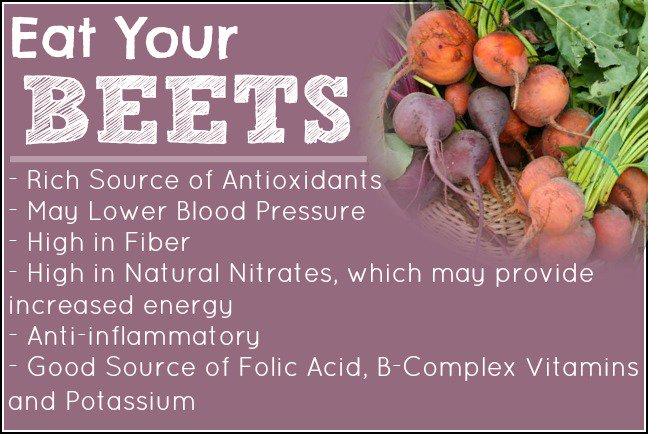
    Beets provide many health benefits  beet roots help lower blood pressure, while beet greens may strengthen your immune system. Those who struggle with eating the whole beet can easily access and consume beetroot powder. Beetroot powder is added to water for a nutritious drink. It is also used in smoothies and greens drinks, sprinkled on salads and used in gravies, sauces, soups and to provide color to most any recipe.

    Why are beets so beneficial? Consider that beets ‘live’ in the dirt, a place full of microbes which love a free meal. This means that nature has equipped the plant with natural defenses. No wonder that beet has been found to fight off the following infectious organisms:

    • Beet pectin has been found to inhibit the synthesis of types A and B staphylococcal enterotoxins.[iv]
    • Beet extract has been found to reduce influenza A infectivity and lethality.[v]
    • Beet root has been found capable of inhibiting Epstein-Barr virus associated tumor formation.[vi] 

    Dr. Jack Wolfson, the Paleo Cardiologist, explains:

    If you have issues with blood pressure, circulation, energy, endurance or erections, then beetroot powder is the supplement for you.

    Some of the main benefits of beetroot powder include:

    • Supports healthy blood pressure because it contains nitrates that are vasodilators. We have been very successful getting patients off blood pressure drugs using beetroot powder. 
    • Improves ED, endothelial dysfunction. But when we improve ED, we improve the other ED, erectile dysfunction. This leads to healthier blood vessel flow. Healthier blood vessel flow improves erections. We affectionately call beetroot powder ” The Boner Juice.” Blood flow to the clitoris is also improved, therefore improving the female sexual experience.
    • Improves athletic performance by boosting your stamina and muscle blood flow and recovery.
    • Regulates homo cysteine as beetroot is high in betaine, converting homocysteine to methionine. High homocysteine is a risk factor for many diseases. MTHFR gene defects get plenty of beetroot powder.
    • Improves blood sugar control.
    • Tremendous antioxidant that limits free radical damage in the body.
    • Supports healthy blood clotting factors.
    • Excellent source of fiber, folate, magnesium, potassium, iron, and zinc

    HOW TO BUY BEETROOT POWDER

    There are lots of places online selling beetroot powder.

    Not all beetroot powder is equal. Some has been poisoned by pesticides sprayed on crops. Some contain filler. 

    Here’s what you should look for:
    100% organic ingredients for the WHOLE beet including the Beet Greens
    No GMO’s
    No fillers, sweeteners or additives
    Glass bottle packaging to avoid toxic off-gasing from plastics

    Make sure you compare the amount of beetroot powder in a bottle, as amounts vary widely among manufacturers.

    Use of beetroot powder may turn your urine and stool somewhat pink or red. This is normal and simply reflects the coloration of the beetroot powder.

    Science acknowledges the benefits of beets

    Undoubtedly, future research will find beet to have a wider range of antimicrobial applications. But beet’s powers don’t end there.  Other already researched properties include:

    • Liver Damage: A 2006 study found that beet root has significant dose-dependent liver-protective properties against the chemical carbontetrachloride.[vii] More recently, research has found that it also protects against N-nitrosodiethylamine associated liver damage.[viii]
    • Cardiovascular Disease: While the “LDL cholesterol is bad” myth is almost imbecilic in its simplicity, those looking for ways to modulate the lipid ratio naturally in favor of the medical establishment’s largely drug-company drafted lipid guidelines can rest assured that beet can help. A 2000 study found beet fiber was capable of simultaneously increasing HDL and lowering LDL levels; perhaps far more impressive, the study also found close to a 30% reduction in cholesterol plaque accumulation in the aorta of those animals fed beet fiber.[ix]
    • Radiation Exposure: Compounds found in beets known as betalains have been found to reduce toxicity associated with gamma radiation exposure.[x]
    • Cancer: Beetroot juice has been found to reduce adverse effects caused by DMBA, a chemical associated with mammary cancer risk.[xi] Beetroot has also been found to exhibit anti-cancer properties in prostate cancer cell lines at toxicity levels far lower than chemo-agents such as doxorubicin.[xii]

    Excerpt from article on Greenmedinfo.com,
    For more information consult contributing writer Dr. Vic Shayne’s excellent book: Whole Food Nutrition: The Missing Link in Vitamin Therapy.
    Check out Dr. Jack Wolfson’s article on 
    Beetroot Powder

    Resources

    Sayer Ji is founder of Greenmedinfo.com, a reviewer at the International Journal of Human Nutrition and Functional Medicine, Co-founder and CEO of Systome Biomed, Vice Chairman of the Board of the National Health Federation, Steering Committee Member of the Global Non-GMO Foundation.

  • Nightshades: Friend or Foe?

    There are many debates about which foods should be avoided in the diet. Among items like sugar, dairy, processed foods, gluten, grains, and soy, you may come across the idea that nightshades should be eliminated, especially if you have arthritis or an autoimmune disease. Is there any evidence that these vegetables, which often have healthy nutrients and phytochemicals, should be blacklisted?

    Quick Read:

    • Nightshades are a family of plants with more than 3,000 species. Some, such as belladonna, are known poisons. Others are familiar foods like eggplants, peppers, potatoes, and tomatoes.
    • Some argue that nightshades can be harmful because they provide alkaloids, glycoalkaloids, and lectins and may increase inflammation and may cause allergic reactions.
    • On the other hand, there is other evidence that alkaloids and glycoalkaloids may be beneficial for numerous health concerns, including obesity, cancer, and more.
    • Research against nightshades is limited, but it may be beneficial for some individuals with specific conditions (such as autoimmune disorders, arthritis, or IBD) to remove nightshades at least temporarily to see if they enjoy health improvements.
    • Remember to speak with your healthcare practitioner to see if removing nightshades may be beneficial for you.

    What Are Nightshades?

    Nightshade is the term given to a family of plants whose scientific name is Solanaceae. Some of the more than 3,000 species in this family are known poisons, such as belladonna. Others are familiar foods found in diets around the world. The most commonly eaten varieties include:

    • Ashwagandha
    • Cape gooseberry
    • Eggplant
    • Ground cherry
    • Peppers (except peppercorn)
    • Potatoes (not yams or sweet potatoes)
    • Tomatillo
    • Tomatoes

    In addition, there are some plants that also contain solanine that some may recommend you avoid if you display a sensitivity, including blueberries, artichokes, and huckleberries.

    Why Remove Nightshades?

    Those in the anti-nightshades camp generally argue that these plants can be harmful for the following reasons:

    • Alkaloids and glycoalkaloids
    • Lectins
    • Food allergies and histamine

    Let’s start by looking at the alkaloids and glycoalkaloids in the plants. These are natural pesticides and include solanine, capsaicin, and nicotine. The hypothesis is that since they act as a protection to the plant, they may be toxic to those who consume it. Some studies have found adverse reactions to some of these alkaloids and glycoalkaloids.

    People can have a food allergy to plants in the nightshade family. A food allergy to potatoes is possible, with those with atopic dermatitis and other food allergies the most at risk. People also report food allergies to tomatoes and eggplants (aubergines), although the allergy to eggplant may be from the histamine content rather than to the eggplant-specific proteins. As discussed in a previous blog, when you do present with a food allergy, it is beneficial to remove those foods from your diet.

    If you struggle with a chronic illness, have removed the more common triggers from your diet, and consume a lot of nightshades, then you may benefit from a trial to see if eliminating them works. Talk with your nutritionist, dietician, doctor, or other healthcare professional to see if removing nightshades may be beneficial for you.

    <read more here>

    This article originally appeared at: http://deannaminich.com/nightshades-friend-or-foe/.

  • 9 Astonishing Health Benefits of Hemp Seeds

    Many people are familiar with marijuana and the stereotypes around it, but hemp, which is derived from the same cannabis sativa plant, is a lesser-known substance that holds a lot of benefits itself! Hemp is a different strain entirely, which dates back as far as eight thousand years to Mesopotamia, where it was used for making fabric. While marijuana, with its many medical benefits, may be the more famed sibling, hemp’s potential has made its presence known throughout the ages in a variety of different products. Both strains have their similarities, but the higher concent

    ration of cannabidiol and the lower concentrations of THC (tetrahydrocannabinol) in hemp make it a product with less psychoactive qualities than marijuana.

    What is Hemp Seed?

    According to the Hemp Industries Association (HIA), the total retail sales in the United States for hemp products in 2015 was $600 million, a number that includes everything from food and body products to clothing and auto parts.

    Hemp seeds, or hemp hearts, are the seeds of the hemp plant, Cannabis sativa. Technically a nut, these small, crunchy seeds are safe to consume and contain only traces of a psychotropic chemical, called THC, the primary psychoactive compound in cannabis which is known to cause euphoria. These seeds have a soft, creamy filling which has a mild, nutty flavor, and they are usually eaten raw. Hemp is the common term for a variety of plants in the Cannabis family. This beneficial and versatile plant can be turned into fibers, oil, wax, resin, cloth, fuel, and a wide range of other useful products. Hemp grows all over the world, as it is a very resilient plant which can grow in a variety of environmental conditions. 

    The main concern that people have with edible hemp products, is that it comes from a cannabis plant. However, hemp seeds that are sold for consumption have less than 0.5% THC and are safe to eat. Idaho CBD Oil Legislation in 2018 would have regulated all products containing CBD by requiring a doctors note in order to purchase any products with CBD containing “less than .3% THC”.  Since .3% or less THC is naturally occurring in hemp products, this could limit ability to purchase for Idaho citizens. See John Green public testimony regarding this point.  It is very important to realize that the INTENT of the bill was to give CBD oil access to the families with medical need, however the unintended consequences actually LIMITED and REGULATED it use across the board. Words have power and the phrase “less that .3% THC” encompassed all hemp based products. – More on Idaho Regulations on CBD, THC

    Health Benefits of Hemp Seeds

    Hemp seed food products are also considered more allergy-free than many other seeds. Hemp seeds contain the perfect balance of essential amino acids for sustaining good health. In addition, hemp seed oil contains necessary fatty acids, also known as good fats. Not only can hemp seeds provide valuable nutritional benefits to people, but they can also be used in pet foods and taste good too.

    Full of Nutrients

    Hemp may be a lot less prominent than marijuana, but it has a lengthy history for good reason. With cultivation of the plant going back thousands of years, hemp has long been used as a food and a medicine, particularly in ancient Chinese culture. Not only is it high in fiber, it’s rich in minerals like potassium, magnesium, and calcium, which are responsible for its status as a superfood. 1

    Helps Prevent Heart Disease

    In addition to their bevy of benefits, hemp seeds also contain the amino acid arginine, which produces nitric oxide and leads to lower blood pressure and reduced heart disease risk. According to a 2005 study of more than 13,000 people posted by the National Centre for Biotechnology, this amino acid led to decreased levels of C-reactive protein (CRP), a protein that can lead to heart disease.

    Reduces Inflammation

    Because hemp seeds also contain gamma-linolenic acid, which has been proven to reduce inflammation, it is suggested that this plant can assist in fighting the causes of disease and age. Studies show it reduces

    • allergies
    • eczema
    • chronic fatigue syndrome
    • depression

      Given the presence of plant sterols and alcohols in hemp, there are many ways hemp seed and CBD oil benefit the body!

    Rich in Antioxidants

    From blueberries to pecans to decadent dark chocolate, there are a variety of foods that are rich in antioxidants, which protect the body from damaging free radicals. Fortunately, you can add hemp seeds to this list of foods, too! With a high concentration of vitamin E and phenolic acid, hemp is ideal when it comes to getting in much-needed antioxidants!

    Improves Skin Issues

    Hemp seeds may be rich in many vital minerals, but the presence of omega-3 fatty acids also means that they can work to improve problem skin and conditions like eczema. According to a 2005 study, “Dietary hempseed oil caused significant changes in plasma fatty acid profiles and improved clinical symptoms of atopic dermatitis,” a claim which is backed up by the presence of polyunsaturated fatty acids (PUFAs) in hempseed oil.

    Balances Bad Cholesterol

    We already know that omega-3 fatty acids are found in hemp seeds, but so are omega-6 fatty acids, and this balance actually assists in speeding up your metabolism. Hemp seeds contain more than 30% fat from both linoleic acid (omega-6) and alpha-linolenic acid (omega-3). As a result, there’s less of an opportunity for cholesterol to build up on the arteries.

    Combats Degenerative Disease

    According to the American Chemical Society, hemp seed contains a high concentration of a-linolenic acid, which “provides it with a high pharmaceutical value for degenerative chronic diseases.” Potentially, this means that hemp seed can be ideal when it comes to treating cancer, cardiovascular ailments, and even debilitating illnesses like Alzheimer’s disease.

    Provides Plant-Based Protein

    When it comes to protein, hemp seeds actually contain a high amount, with 2-3 tablespoons providing about 11 grams of protein per serving. Surprisingly, hemp seeds are one of few protein sources that are plant based and still manage to provide all of the amino acids the body needs to maintain health.

    Helps with Digestion

    Fiber may be found in foods like beans and brown rice, but it also has quite a high concentration in hemp seeds, which makes them ideal for maintaining digestion. Because hemp seeds contain both soluble and insoluble fiber, they are a good dietary solution for providing balance to the body. It’s just important to ensure that you’re keeping the shell on if you’re eating hemp seeds for digestive issues, because this is where the proteins are found!

    Where do you purchase your hemp seeds? Locally or online? How do you eat them smoothies or salads? Share your favorite recipe below!

    this article appeared at 9 Astonishing Health Benefits of Hemp Seeds | Leafbuyer. https://www.leafbuyer.com/blog/9-astonishing-health-benefits-of-hemp-seeds/
  • 9 reasons we have a “sick”, not “health care” system

    The conventional medical system and hospitalized care is now in the Top 3 leading causes of mortality, as announced by Johns Hopkins University in 2016.

    Does this sound like a system you would choose to participate in?

    Here are 9 reasons we have a “sick” and not a “health care” system:

    1. Any system which forces the population to seek and/or use only one methodology or approach to treatment for addressing health issues or face denial of coverage, is not “health care”. 

    When there is only one accepted method of treating health care issues (via drugs or surgery, for example), when consumers lack education, choices and freedom about their health, this is not health care

    Any time there is a risk to a treatment or medical procedures, there needs to be a choice. When we are forced to accept treatments that don’t heal our bodies or solve health care problems, and we continue to participate in treatment that doesn’t solve the problem, we are trapped in a system that effectively keeps patients and consumers in a state of being unwell.

    2. Any system which penalizes those who chose to go outside the system for “alternatives” or holistic treatment, is not “health care”. 

    Punishing citizens by forcing them to pay into a system which they do not want to participate is not a free society and not only falls under the category of discrimination, but is a direct violation of human rights. Reasoning that our health care system is too costly for certain members of its population to afford it is not justification to mandate citizens to fund or participate in a system. There’s a word for this: it’s called fascism.  

    If leaders of the health care industry possessed a sincere desire to make wellness achievable and accessible to all, they would advocate for holistic health alternatives, education and treatment. If these leaders were willing to provide information to patients and consumers that would allow them to experience wellness, we would see dramatic changes in our death and disease rates.

    Instead, what we have is a system that continues to create dependencies on drugs, surgery and other treatments that are costly and don’t heal or contribute to recovery. Making these changes would significantly impact the overall cost of health because less of our population would be sick and thus would be using medical services. This is the definition of a “sick care” system, and it is extremely profitable for the corporations involved. 

    (As an aside, it’s fair to call it an industry since it generates profit, and quite a lot of it. According to Statistic Brain, the health care industry generates $1.668 trillion annually. Let that sink in.)

    3. Any system that uses treatments that manage rather than heal, and fails to improve health or well-being of its subscribers or members is not  “health care”.  

    Drugs, surgery, and other procedures do not prevent future health issues nor resolve the root of the problem. Instead, those who receive such treatments and are administered pharmaceutical products become looped into a system that requires continual appointments and treatment, vaccines, and renewal of drug prescriptions. This is not wellness, but “managed illness”. All drugs have side-effects which can cause a downward spiral of health issues, and still no resolution of the cause of the original health problem.

    4. Any system that refuses to cover care that goes outside the scope of the conventional medical model, or attempts to discredit other modes of medical or health treatments is not “health care”. 

    The majority of insurance providers do not provide coverage for complimentary or holistic treatments. Instead, most covered services include only conventional treatments.

    When patients seek medical advice and are told that if they do not follow the recommendations provided they will be dismissed as a patient or are endangering themselves or their child of further disease or death, this is not health care.

    What motivation would there be for a system to continually attempt to tarnish or invalidate other types of health care other than to protect its own interests? There’s really only one answer to this: profits and power. 

    5. Any system that relies upon drugs, surgery, vaccines and other similar treatments to treat health care issues does not support wellness. This reactionary, rather than preventative approach, is not “health care”. 

    Although sometimes we do need drugs or surgery, these should be exceptions to the rule of health treatments; not what we use for every health care scenario. We are not drug, vaccine, or surgery deficient.

    The conventional medical model does not educate its patients on preventative habits or lifestyle choices that could lead to wellness. Instead, it recommends taking prescriptions to manage symptoms, consumption of a low-fat, high carbohydrate diet with more plants and grains, increased exercise, and diagnostics including mammography and colonoscopy for “prevention” of disease. 

    Low-fat diets have actually been shown to lead to health issues, and no amount of exercise will create health in someone who is unwell and not addressing existing nutritional deficiencies in their body from consuming a low-fat diet. Contrary to what we’ve been told for decades, cholesterol is actually essential for for every aspect of health including cell structure, hormones, digestion, weight management, stress, brain function, metabolism and more. It’s the source of that cholesterol which makes the difference: cholesterol from animal foods that come from confinement operations versus organically-grown, pasture-raised environments are completely opposite on the spectrum. We can definitely expect to experience disease and chronic health issues from consuming the former, while choices from the second can be extremely beneficial and health-supporting.

    Diagnostics such as colonoscopies and mammograms involve risk due to exposing tissue to radiation and compression (which can lead to cancer), drug reactions, and perforation of human tissue. 

    Each of these recommendations can and have lead to further incidence of disease, yet are advocated and endorsed by conventional medical practitioners and guidelines. Preventative diagnostics have been known to fail to detect or prevent the disease that is being screened. Read more about mammograms from Dr. Mercola.  

    6. Any system that engages in bullying, coercion, threats, intimidation, discouragement of research and education, or disregards empowerment toward the patient or consumer is not “health care”. 

    Patients and consumers regularly report receiving condescending, disrespectful, bullying and unfair treatment by practitioners when they decline or request more information on specific types of treatment. Any practitioner that engages in this type of behavior or approach is not practicing “health care”.

    7. Any system which repeatedly discredits, undermines or disesteems medical doctors, nurses, scientists and others including holistic practitioners who have taken their education and research outside of conventional approaches and treatments and gained an understanding of the importance of holistic approaches to address health care issues is not a “health care system”. 

    When a doctor or practitioner goes outside of accepted answers or language about a treatment or procedure, the typical response is that said individual is not credible or has a soiled reputation, is a “quack”, or is discredited in some other way. In some cases, the individual may be targeted to lose his or her license, or may even die in a mysterious manner. Are these deaths simply coincidences? Erin from Health Nut News did an expose on the more than 70 health practitioners who died between 2015 and 2016 from unexplained causes.

    8. Any system which denies the existence of studies and research showing risks and flaws within the conventional health care approach is not “health care”. 

    There are thousands upon thousands of studies and papers revealing the risks of conventional care approaches, yet many who are confronted with this information or evidence will dismiss and attempt to discredit those who bring this information to light. Why do those within the conventional system fight so vehemently against this information? Why do the defenders of the conventional medical system use the same arguments again and again, and without unbiased, scientific documentation? These responses beg the question: if you want to know who is oppressing you, find out who you are not allowed to question or raise skepticism toward. What do these staunch defenders have to worry about if the risks and flaws of the medical system, challenged by those who aren’t satisfied with the status quo, are wrong?

    9. Any system whose practitioners and representatives oppose parents who provide testimonials of children who have experienced vaccine-injury or death is not “health care”. 

    There are literally tens of thousands of parents who have shared their stories about how vaccines have damaged or killed their children, many of them with similar symptoms and reactions. The majority of representatives in the conventional health care system insist that these parents are incorrect, uneducated, hysterical, irrational, abusive, “conspiracy-theory driven” or even criminals. Most parents who question vaccines were pro-vaccine at one time. The reason they began to question is because they experienced the tragedy of a vaccine-injured or dead child. This is not a place that most parents would ever want to find themselves in; and yet, more and more are having to endure that very scenario. Those parents wish more than anything that they could go back in time and make a different decision. Sadly, once a vaccine is administered, it cannot be “un-given”.

    Although we are assured otherwise, the science is not settled. If science is not allowed to be tested, questioned, or challenged, then we are clearly stifled and arrested as a civilization which cannot move forward in its acquisition and understanding of knowledge and information. The conventional medical system is by no means a “gold standard”. There have been and continue to be examples of those who use it and experience suffering and death as a result of their choice … and yet we are expected to regard this system as infallible and as possessing a guarantee about how to treat and “cure” illness when it appears more than obvious that it is anything but that level of reliable or sound.

    Recommended ways to maintain wellness are as follows:

    • Eat a diet of real, organic, nourishing foods including grassfed meats, pasture-raised poultry and eggs and raw dairy foods, organic or pesticide, herbicide and genetically-modified-free fruits, vegetables, legumes, nuts, seeds, and other foods . 
    • Eliminate sugars, grains, processed and packaged food products. 
    • Prepare foods at home, from scratch using ingredients rather than jars, packages, or prepared meals.
    • Consider traditional preparation of foods such as fermentation (sauerkraut, pickles, yogurt, kefir, sour cream), slow-cooking on low heat meats, fish and poultry using homemade meat broth and stocks from bones, vegetables, sea salt and filtered water. These methods render foods more nutritious and easier-to-digest as well as heal the digestive tract to enable higher absorption rate of nutrients.
    • Eliminate toxins from your environment including commercial cleaners, detergents, air fresheners, candles, shampoos, deodorant, toothpaste, soaps, body, beauty, and personal care products. Opt for natural products or make your own at home. Many cleaning and personal care products are easy to make at home with a few ingredients including kitchen and bathroom cleaners made with apple cider vinegar and baking soda, or plain vinegar and lemon juice, deodorant made with coconut oil and essential oils (such as lavender, lemongrass or peppermint), body butter made with equal parts of coconut oil, shea butter, olive oil and cocoa butter.

    When we eat better, we feel better and tend to get sick less often. Less illness leads to a healthier body and less chance of long-term, chronic illness such as heart disease, diabetes, depression, brain fog, memory issues, obesity, inflammation, and other auto-immune disorders.

    Health share programs

    Here is a list of health share programs that offer health care “coverage” for less than the average insurance plan (especially if you factor in the penalty for not participating), and provide you and your family with a means to lower expenses that would otherwise be difficult or impossible to manage on your own.

    These are not insurance companies, they are share programs that provide coverage to members when needed. Members of these groups are by definition “exempt” from penalties imposed if you opt out of the Affordable Care Act (ACA aka “Obamacare”).

    Altrua

    Aliera

    Liberty

    My Christian Care

    Samaritan Ministries

  • 88% of Idaho Eat Organic Foods

    HFI: Health Freedom means being able to choose quality foods supporting the immune system. Once found only in health food stores, organic food is now a regular feature at most supermarkets. People are concerned about toxins used in food production. They are concerned about the affects of chemicals and GMOs on their health. Where do you shop for your local organic, non-GMO and pesticide free produce? 

    Organic Trade Association reports that organic foods now occupy over 80% of United States kitchens. It used to be taboo to correlate the cleanliness of food with health, but times have changed. Consumers have caused increased accessibility and affordability of organic foods, but a need remains for increased organic food production in America.

    Conventional food producers say their products are safe, but the dangers of Round Up and other chemicals in food production are well known. The disease-stricken United States population has realized that conventional foods and dietary guidelines failed them. However, the word is out that organic foods make people feel healthier.

    Customers are the bottom line, and stores have been reacting to sales accordingly. Robyn O’Brien reports “Target, Costco, Chipotle, Kroger, General Mills and Cheerios have responded to this demand for “free-from” food and are producing more foods free of allergens, artificial dyes, GMOs and artificial ingredients.” Although under scrutiny, organic foods are even available at Walmart.

    The higher prices of organic food invites dishonesty in food production and sales. Fraud risk is greater when food is imported.Recently, 36 million pounds of conventional soybeans and corn shipped from overseas were labeled and sold as organic.

    Hopefully, increased organic sales will increase organic food production in the United States despite the incentives of government subsidies to grow conventionally. Many local farmers use organic methods but cannot afford certification, and there is a need to better connect them to customers who are looking for organic foods. Benefits of American-grown produce include: closer observation of production and shipping, less distance traveled (fresher produce), supporting local economies, and cleaner environmental impact.

  • Anti Vaccine Movement is Hundreds of Years Old

    Suzanne Humphries, MD “The anti-vaccine movement is hundreds of years old. It heated up in the 1800s, when parents in the UK became fed up with watching their healthy infants and children become ill or die shortly after the smallpox vaccinations or get sick from smallpox anyway. .. it is clear that the issue is not ‘settled long ago, and laid to rest’ as most of the medical profession says it is. 

     A close look at medical text books down the decades reveals a very interesting trend.  In the 1920s and 30s, doctors were often quite relaxed over diseases which today are presented as more deadly than the plague.  Many grandparents today are completely bemused at the way the medical profession describes infections which were to most of them, straightforward holidays off school.

    This is not stating that there were never serious consequences.  There sometimes were.  However, today, most parents erroneously believe that every child will die from diseases which most grandparents found were nuisance value only.

    The medical system now considers measles more dangerous than the plague, and the most dangerous disease known to man.  Yet there is no need to be afraid of measles, because well-nourished children who get adequate vitamin A have an unremarkable course to recovery.  Boredom might be their biggest whine.

    I have discovered that whooping cough isn’t something to be scared of either.  In the days when my only tool was an antibiotic, whooping cough occasionally caused me considerable concern, but not today.  I’ve watched many parents all over the world treat whooping cough very simply by using high doses of vitamin C and occasionally homeopathy. They see rapid improvement and no serious complications.  But you will not read about these cases in “peer reviewed literature” and your doctor doesn’t know about them, because sick children are the only ones counted in the morbidity statistics.  Healthy children who uneventfully recover, are not seen by the medical system and therefore are not counted.

    The serious consequences from most childhood diseases comes from just a few things; infant formula, cow’s milk, common medical drugs especially antibioitcs, malnutrition, and vaccines, as well and a lack of knowledge about simple methods of home nursing.

    All of these barriers to recovery are completely avoidable in the USA and many other countries and that is WHY we see so many healthy children who were never vaccinated, when we take the time to look.

    See how mortality for the common illnesses had declined significantly long before the vaccines were created.

    Historically, in the case of infectious diseases, good nutrition has been and still is, a major preventive factor, that has led to enormous declines of morbidity and mortality from most infectious diseases.”

    read more from Suzanne Humphries, MD blog found at http://drsuzanne.net/dr-suzanne-humphries-vaccines-vaccination/

  • A Smarter Way to Make Almond Milk (No Soaking, No Straining)

    Julie: We are dairy free, not by choice but out of necessity because of milk sensativities. LOVE our coconut milk in most things but a change is always good. Almond milk tastes yummy in pancakes. Did you know you can make your own? Better, smarter, faster and cheaper! Well, now you do!!

    “Fresh, Instant Almond Milk” is, at its core, almond butter blended with water, founded on the smart observation that the two differ by only one essential ingredient: water. With almond butter as a starting point, you can skip the soaking and the straining.

    All you need to do is blend 3 tablespoons of almond butter with 1 1/2 cups water. Laura also adds 1/8 teaspoon salt, 2 teaspoons maple syrup, and 1/4 teaspoon vanilla extract. Blend on high speed until smooth and creamy, and strain if you like (though not necessary).

    I keep a jar of raw almond butter on hand and I never go without fresh almond milk. —Laura Wright, The First Mess Cookbook 

    Since this almond milk is less neutral-tasting (read: less watery) than store-bought almond milk, however, it might not be the best candidate for adding to coffee or pouring over cereal.

    Keep it stored in a jar in the refrigerator for up to 1 week. Since the almond butter particles will settle, you’ll want to give it a good shake before using.

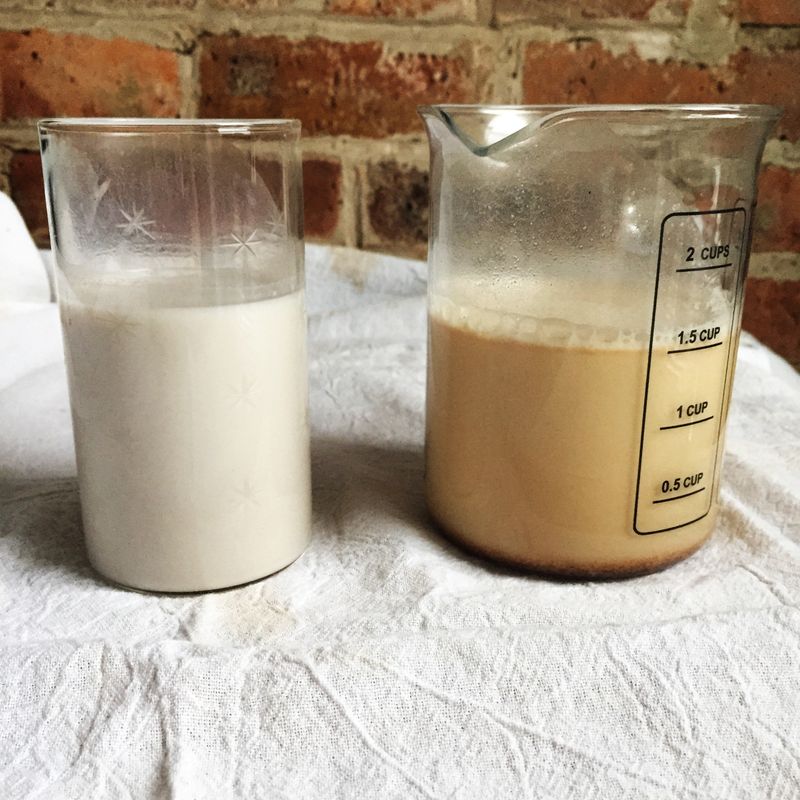
    Store-bought almond milk (left) versus almond butter almond milk (right).

    Store-bought almond milk (left) versus almond butter almond milk (right).

    Almond milk: Do you love it, hate it, or feel totally neutral towards it? Tell us in the comments.

    SO, are almonds really all that good for you?? You decide. https://draxe.com/almonds-nutrition/

  • Cooking with Kids Event at the Boise Co-op

    Cooking with Kids Event at the Boise Co-op

    This is a fun event for families. This Saturday, March 18th, from 10:30 – 11:45am, bring your kids to the Boise Co-op at The Village at Meridian, for a fun, inclusive event that will optimize nutrition and taste in some fun-to-eat recipes like avocado-yogurt dip, green fruit skewers and a sauce that will make sauteed broccoli more attractive and delish. All recipes are grain- and nut-free (one has dairy). 
    Cost: $12 (co-owners) and 15 (non-owners). Suggested age range: 5-10 years old. Kids up to age 12 or 13 are welcome to join us if they are not experienced cooks, this class is designed for the beginner to intermediate parent-helper.

    Adults are free with paid kid’s registration. Each child will require a purchased ticket.

    Suggested age range: 5-10 years old. Kids up to age 12 or 13 are welcome to join us if they are not experienced cooks, this class is designed for the beginner to intermediate parent-helper.

    Location: Boise Co-op at The Village, 2350 N. Eagle Rd., Meridian, ID 83646

    Register here!

    About the host: Kendy Radasky, a Nutritional Therapist and self-described foodie enjoys testing new recipes on her picky 6-year old son. Her two favorite places to spend time are the garden and the kitchen – using fresh, organic, homegrown ingredients in the meals and snacks she creates for her family. Both she and her son experience food sensitivities, so much of Kendy’s exploration with new recipes centers around gluten-free, grain-free, and dairy-free options. In her work as a Nutritional Therapist, Kendy guides mothers and moms-to-be, who sometimes feel depleted by the responsibilities of family and work, to deeply nourish themselves so they can reclaim their vitality and creativity, and more fully nurture those they love.