Tag: organic

  • Bob’s Red Mill Sued Over Organic Oats Contaminated with Glyphosate Roundup

    Bob’s Red Mill is facing a federal class action, filed in San Francisco Friday, after the world’s most used weedkiller, glyphosate, was discovered in both its organic and non-organic oats. 

    Over the years concerned consumers have questioned Bob’s Red Mill via their company blog on the presence of glyphosate in the oats being sold. Many of the responses to the comments regarding glyphosate directs customers to buy Bob’s Red Mill Organic oats if they want to avoid the chemical. However, despite the claim of safety Bob’s Red Mill organic oats had detectable amount of glyphosate. 

    Currently in the US, we are dumping 300 million pounds of glyphosate on our soil per year: two times as much as last year. Many vegetable oils, processed foods, and inorganic vegetables or fruits contain or have been sprayed with Roundup, thus they are contaminated with this ubiquitous chemical. 

    But can we keep ourselves safe from glyphosate and by eating only whole organic foods? Unfortunately, that does not provide us with 100% protection. The testing proves the glyphosate contaminates everything within range – including organic crops. 

    Bob’s Red Mill Company Statement: 

    Because we at Bob’s Red Mill are dedicated to bringing all of our customers natural, healthy products, whether organic or conventional, we have inquired directly with farmers and with our suppliers to determine if glyphosate desiccation is used by the farmers supplying our products. The majority of our conventional wheat is grown close to home in the Pacific Northwest where growing seasons are typically longer and the practice of desiccation is as such rarely used. We’ve been told desiccation is not a practice used by our individual farmers. The growing, harvest and communal storage practices sometimes used by the wheat industry in general make it nearly impossible, however, for our multi-source suppliers to guarantee the practice of glyphosate desiccation is not used with all of the conventional wheat the suppliers sell to us.We are able to assure our customers, however, that glyphosate desiccation is not a practice used for our organic products as the use of glyphosate is not permitted at any time in the cultivation of our organically grown ingredients. Our Customers who desire to be certain that glyphosate has not been used may wish to choose instead from our extensive line of certified organic products.

    Customers are rightfully disappointed about the company’s tainted oats. 

    A concerned mother wrote:

    EWG’s report listed that they found glyphosate in your Organic oats. Even though it seems small compared to the rest of the samples in the article, my baby eats your organic oats every day. I use it in almost all the recipes I cook for him. Are there any chances of cross contamination in your facilities between organic and non organic products?

    Another mother wrote:  

    It was tested and the organic steel cut oats do contain glyphosate, and I’ve been feeding the organic steel cut oats to my 1.5yr old son daily for the past year.

    Another customer said: 

    I am deeply disturbed to find out that tests by EWG discovered Bob’s Red Mill Organic Old Fashioned Rolled Oats does contain glyphosate. Although the amount of glyphosate found in your organic oatmeal are low I thought the use of glyphosate is strictly prohibited by the USDA’s National Organic Program. How is your organic oatmeal certified organic if there is allegedly trace amounts glyphosate in your product?

    The Company’s response:

    Our farmers of organic oats are 100% committed to growing their crops by the rules of the National Organic Program. The use of glyphosate as a pre-harvest desiccant isn’t allowed in the growing of organic oats. Unfortunately, even with the rules, it’s still possible for glyphosate to blow over from other non-organic farms. Even still, choosing organic is the best way to avoid pesticides and other chemicals in foods. 

    Bob’s Red Mill Why Not Test the Oats? 

    Mike S. an astute customer brought up a valid point: 

    I read the comments here over the years and wonder why you did not test your oats to be 100% able to say what you are selling. Being against something and doing something for it to change – are two different things. Looks like you went the easy way. https://www.newsweek.com/weed-killer-glyphosate-found-quaker-oats-cheerios-cereal-recall-organic-1075454

    But perhaps, it wasn’t so easy. Now Bob’s Red Mill will face a lawsuit for its tainted grains. 

    “Consumers have a reasonable expectation that material product information, such as the presence of a probable carcinogen like glyphosate, will be provided by a product manufacturer, especially when the manufacturer affirmatively identifies the health-related attributes of its products such as “Gluten Free”, “Whole Grain”, and “Friend of the Heart,” the complaint states, adding that the labeling amounts to “misleading half-truths.” –

    Why the Concern?

    Glyphosate, weed killer, probable carcinogen and endocrine distruptor has been found on our foods. Glyphosate consumption has been linked to or associated with countless health problems. These include (I hope you’re ready): impaired cholesterol and fat metabolism, Alzheimer’s and Parkinson’s disease, insulin resistance and type II diabetes, fatty liver disease, hypothyroidism due to impaired thyroid-stimulating hormone activity, osteoporosis and arthritis, autism, a higher risk of contracting a salmonella infection, impaired development during adolescent years and even infertility.2,3 

    I’m not finished yet, this chemical is also associated with multiple types of cancer: non-Hodgkins’s lymphoma, melanoma, colon cancer, liver cancer, pancreatic, kidney, thyroid, and breast cancer.4,5 http://kinetik-fitness.com/show-all/1256/glyphosate-a-global-health-threat/

    Wave of Lawsuits

    A wave of class actions against food companies has caused many food brands to start seeking The Detox Project’s Glyphosate Free certification, according to their Director, Henry Rowlands;  “The Detox Project has received a massive rise in inquiries from food brands regarding Glyphosate Residue Free certification, ranging from baby food to honey to supplement brands. So far we have 15 brands from around the world fully certified but over 50 brands have been in touch during the last week.”

    Yet, Organics Is STILL The Healthier Choice

    Though this is a concerning lawsuit, this doesn’t mean that organic isn’t worth investing in for your health. Pesticide drift is a real concern and is an most organic farmers take measures against. Yet even with drift, we believe that organic IS the healthier choice when it comes to reducing and avoiding pesticides, herbicides and GMOs.

    Avoiding Glyphosate

    See the Detox Projects certified brands to date

    The lawsuits against food brands also follow the landmark cancer trial verdict in San Francisco very closely, in which Monsanto was ordered by a jury to pay over USD $289 Million in total damages to the former school groundskeeper Dewayne Johnson, a California father who has non-Hodgkin’s lymphoma, which was caused by Monsanto’s glyphosate-based weedkiller Roundup.
    Read the Classified Internal Documents that reveal Monsanto Knew the Toxicity of their Product

    Eliminating Glyphosate? 

    Learn About the Glyphosate Detox

    Groundbreaking Detox Product Shown to REDUCE Glyphosate Levels in the Body (Discount Code for HFI readers BETRUE $50 off)


    Health Damages of Glyphosate: 

    http://kinetik-fitness.com/show-all/1256/glyphosate-a-global-health-threat/

    1  https://www.freep.com/story/news/health/2018/08/15/breakfast-foods-cereal-weed-killer/996282002/

    https://www.ewg.org/childrenshealth/glyphosateincereal/#.W3TsHdhKhQI

    2  https://www.bobsredmill.com/blog/healthy-living/bobs-red-mill-oats-glyphosate/

     http://www.bobsredmill.com/blog/featured-articles/glyphosate/.

  • Watermelon Jelly

    Have you ever heard of watermelon jelly? Honestly, we hadn’t either until a particular summer when our garden was bursting with luscious melon. My boys excitedly counted over one hundred of them. Clearly, we had a problem.

    How would we ever use all those melons?

    Not wanting to be outdone by our garden, I set about to experiment with all the ways I could think of to preserve some of that summer goodness. I am proud to say watermelon jelly was an immediate win and has become a favorite of ours to enjoy all winter long. When it’s chilled, it has a very nice gel and a lovely exotic flavor.

    Will you be a kitchen maven with me and try something that’s out-of-the-box delicious?

    Like watermelon jelly? You won’t be disappointed.

    Watermelon Jelly

    This jelly has a lovely exotic flavor. Preserve some of the summer’s goodness for winter with this unique recipe. 

     Prep Time 25 minutes

     Cook Time 20 minutes

     Total Time 45 minutes

    Ingredients

    • 8 C watermelon juice QP626
    • 1/2 C lemon juice JS441
    • 4 Tbs beef gelatin BP115
    • 1 C honey SW011
    • 3 Tbs Pomona’s pectin BP060

    Instructions

    Instructions

    1. Place four pint-sized jars in a 170° oven. Set four dome lids in a pan of water over medium heat. 

    2. Cut the melon off of the rind. Juice the melon using a juicer (a Champion juicer works great) or remove the seeds and blend the melon until smooth.

    3. Place watermelon juice, lemon juice, and gelatin in a pot. Quickly whisk the gelatin smooth so it doesn’t clump, then place the pot over medium heat and stir frequently. 

    4. Meanwhile, stir together honey and pectin until smooth. As soon as the juice mixture comes to a gentle boil, stir in the honey mixture. Stir until it is smooth and comes back to a gentle boil.

    5. Immediately ladle jelly into the hot jars filling to 1/4 inch from the rim. Wipe rims clean and secure hot lids with jar rings. Set jars upside down for five minutes. Turn right side up and leave until cool. Alternatively, you may water bath them. Check seals and store in the pantry.

    Recipe Notes

    Before serving, set in the fridge to thoroughly chill and jell.


    Azure Standard delivers NonGMO Organic throughout Idaho.

    Here, we understand that naturally grown foods are instrumental in producing a long and satisfying life. We’d like to see more farmers and home gardeners turn to natural organic growing practices, so we do what we can to not only support the organic farmer, but also provide as many organic products as possible.

    We chose to call our business Azure Standard, to signify by the name what we are attempting to do. Azure is a shade of blue which has been associated with law, justice, and honesty. In raising an azure standard, we want to place an honest standard in the marketing of food. We feel that the correct way to effect a positive change is not to attack the way it is being done, but to begin to do it right.

    We are dedicated to the “organic principle” of cooperating with nature and we pray others will join us so that we may once again see prosperity in our land.

    David Stelzer
    Azure Founder and CEO

  • Meet the tiny mobile home that comes equipped with a tiny greenhouse

    Meet the tiny mobile home that comes equipped with a tiny greenhouse. I imagine that it might be a tad hard to TRAVEL with the greenhouse attached. The thought is interesting however. Enjoy the beautiful Northern Idaho landscapes and recreation in the summer and spring and head down to the Treasure Valley in the fall and winter wintering it out in ‘milder’ temperatures. Growing your own food, herbs.

    When people make the dramatic, yet increasingly popular, switch to tiny house living, they’re not just choosing to live in a smaller place. They’re choosing adventure (if it’s a mobile home), the outdoors because having a tiny interior encourages residents to venture outside, and a life free from all the extra stuff we collect over the years. In the process of paring down on items, lots of people feel that they are being forced to give up some of their passions that require lots of supplies, such as art or extreme sports, and more people and builders are developing better designs to help accommodate these needs.

    Credit: Olive Nest Tiny HomesCredit: Olive Nest Tiny Homes

    That’s exactly what the company Olive Nest Tiny Homes is doing with their designs and their latest release allows residents to continue with their passion for gardening and sustainability. Gardening can be difficult, especially for those living in apartments or small spaces that don’t allow for too many plants or have no access to sun. So it’s come as a surprise that the company was able to integrate a tiny greenhouse into their latest design, but it’s more than perfect for people already interested in sustainability, small carbon footprints, and rejecting consumerism.

    RELATED STORY:

    Credit: Olive Nest Tiny HomesCredit: Olive Nest Tiny Homes

    The main part of the tiny home is a cozy 323-square-feet, but the design of it and the hidden storage makes it feel spacious and airy. With stairs instead of a ladder leading up to the lofty bedroom, there’s room for more storage without the hassle of climbing stairs just to get to the room. A kitchen bar table easily turns out and becomes a table for four, and the kitchen itself is equipped with a full-size gas range and fridge.

    When making their way out to the greenhouse, which is 85-square-feet, residents have one more tiny area to get through: the adorable porch that attaches the main unit to the greenhouse. The porch is paneled with wood and even features a porch swing, where residents can enjoy the produce they’ve grown in their greenhouse.

    Credit: Olive Nest Tiny HomesCredit: Olive Nest Tiny Homes

    Designs like this really showcase the amazing way that people are coming together to address the needs of people wanting to convert to a tiny house lifestyle while showing others that the community is adapting to accommodate more hobbies and passions. This design is currently listed on Tiny House Listings for $81,000. Watch the video below to see all the features and take a tiny tour.

    Unfortunately for residents of Idaho, tiny homes are not supported. Codes restrict their placement to mobile home parks. It is illegal within Boise to park a tiny home on a residential property even with the owner’s permission. 

    *Article originally appeared at True Activist. 

  • A Nourishing Thanksgiving

    It’s one of our favorite holidays of the year. A day dedicated to giving thanks, practicing more gratitude, sharing and relishing the bountiful blessings that we have been afforded. Although Thanksgiving in America has migrated away from its Pilgrim roots and has turned into something of a feast-fest, the act of eating wholesome things with others, in gratitude, is still a meaningful tradition.

    Since we’re all about life, liberty and the pursuit of happiness here at Health Freedom Idaho, we have gathered some of our favorite Thanksgiving recipes for a cornucopia of nourishing epicurean delight.

    If you like pretty pictures to help motivate you, Food52’s Thanksgiving Menu Maker is a welcome distraction and idea-generator. 

    Be sure to scroll down to see the Thrive Market offer for 25% off your first order. Thrive offers some of the best selection, quality and prices on healthy foods, and they have a great giving back ethos that you are sure to appreciate this Thanksgiving. 

    The Turkey

    It’s not just the recipe, it’s the quality of your turkey that can make a world of difference. That’s why we recommend buying organic, heritage or humanely raised turkey for your family’s health and to support sustainable food sources. 

    The classic: Good Eats Roast Turkey is a wet-brining-and-scientifically-predicated-temperature-masterpiece. Pretty foolproof if you follow the directions to a T. 

    The newcomer/old-world technique: Dry-brining has gotten the attention lately, boasting more flavorful and tender meat, shorter cooking times and better protection from overcooking due to the use of coarse sea salt during the thawing / brining process. Healthy Home Economist’s “dry brine any meat” recipe may become your next staple turkey and meat recipe. Note that it takes days to achieve this result, so start accordingly! 

    Better Bone Broth

    We love a good bone broth to flavor our stuffing and gravy. Dr. Rosie’s recipe is nourishing and delicious. May as well make the Thanksgiving essentials more nourishing.

    Or, if you’re short on time, many brands have emerged with bone broth offerings. Epic Foods’ turkey cranberry sage bone broth is Thanksgiving in-a-jar. 

    Recipe: Cranberry Relish

    One of our favorite cranberry sauces is the simplest to make. Because the sauce is raw, the fruit and honey retain their natural enzymes, making this a great digestive aid and palette refresher. 

    • 1 bag of organic fresh cranberries (rinsed)
    • 1 whole organic orange (cubed, large seeds removed)
    • 1 teaspoon fresh grated ginger
    • 1/4 cup good quality raw honey

    Combine in a food processor bowl and pulse to desired consistency. Taste and add more sweetener, if desired. Chill until 30 minutes before the meal. This keeps well in the refrigerator for about a week. 

    Healthier Rolls

    Einkorn Rolls are a fantastic way to enjoy einkorn, a non-hybridized ancient wheat, this holiday. For those avoiding gluten, and this Paleo recipe are wonderful pillows of baked-good-ness for your sopping pleasure.

    Karina’s Gluten-Free Dinner Rolls feature nourishing flours like millet, buckwheat and hazelnut to amp up the nutrition and satisfaction. 

    Garlic Herb Paleo Dinner Rolls from Paleo Running Momma are full of flavor and feature almond flour and grass-fed butter or ghee

    Non-GMO Stuffing

    If you are looking for healthier stuffing cubes, consider Berlin Natural Bakery’s certified non-gmo spelt stuffing. These make more nourishing and flavorful stuffing. They tend to soak up a lot of broth (perhaps due to density?) so amp up your broth by at least 25%. 

    Elevated Potatoes

    Onions are a major boon to the standard mashed potatoes in this recipe: Whipped Potatoes with Three Onions. 

    Seasonal Veggies and Squash

    We have a lot of squash growing in local gardens here in Idaho. Butternut, acorn, kabocha and banana squash are common and seemed to grow really well this year. 

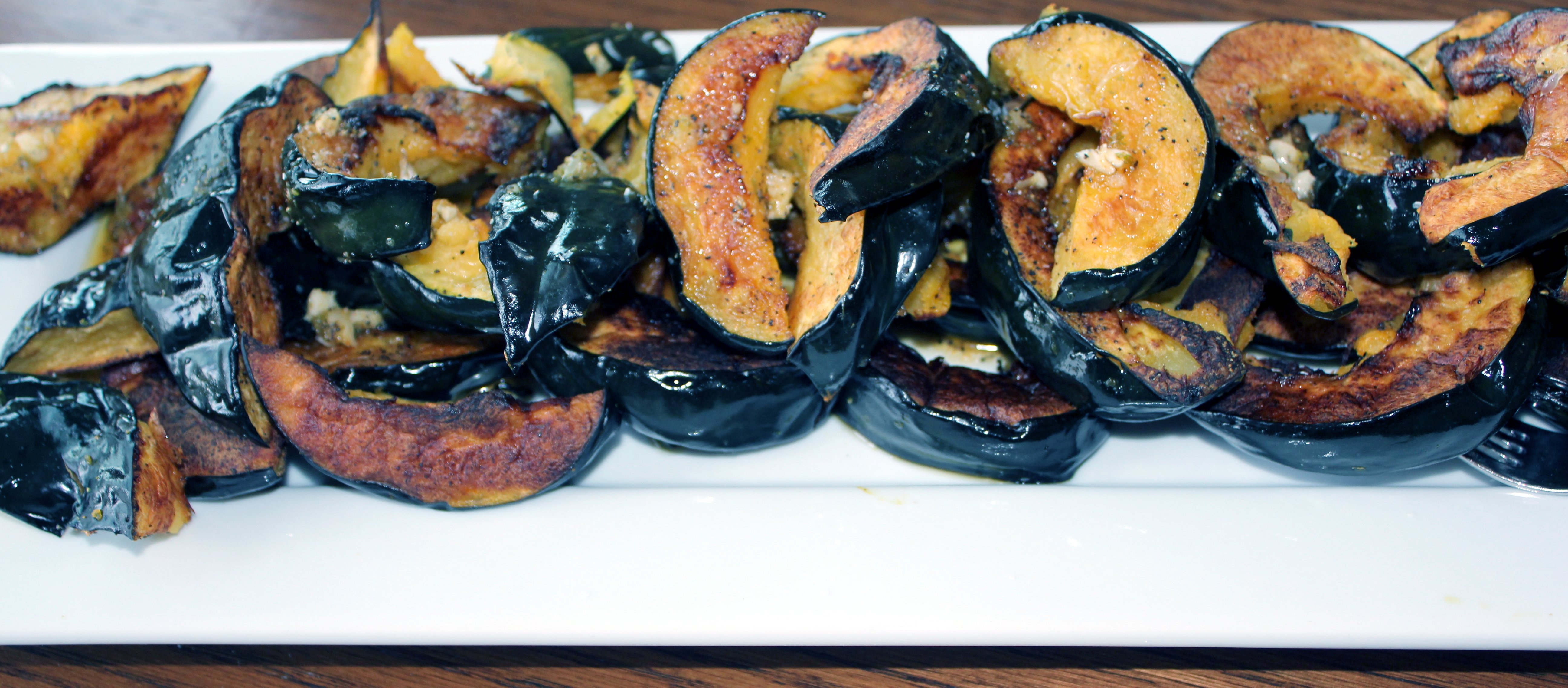
    Roasted acorn squash with chile vinaigrette is a very simple, yet palette-tingling shift out of traditional Thanksgiving flavors. 

    Thrive’s Hasselback squash recipe utilizes a large butternut squash and some quick but fancy knife techniques to transform the 1700’s potato recipe into something even prettier. 

    This Parnsip-Apple Puree is a sweet-light alternative to mashed potatoes. 

    We like sides from the garden like this fresh-tasting Shaved Fall Vegetable Salad with Cider Vinaigrette as a light compliment to the heavier traditional dishes. 

    Shaved Brussel Sprouts with Tangerines are one of our staff faves for texture and a sulfurous contrast to the rich and creamy vibes of Thanksgiving. 

    Pie, Of Course

    For most of us, pie is a must – no matter what diet you may be on. We’ve curated a few traditional and creative takes on the sweet tradition.

    Coupons

    Thrive Market offers the best-selling natural and organic products at wholesale prices through a $60/year membership. Think Costco meets Whole Foods online, and for every paid membership Thrive donates one membership to a low-income American family. Health Freedom Idaho members can sign up to receive 25% off and free shipping off their first order through this link.

    Amazon is showing off their Whole Foods acquisition with this offer. Until November 26th, Amazon Prime members can get 20% off their Thanksgiving turkey at Whole Foods markets. Our Boise store is a valued destination for natural food lovers.

    Jovial Foods is giving 25% off on Cyber Monday for their ancient heirloom non-hybridized Einkorn wheat products and gluten-free foods. (Code: CYBERMONDAY17)

    From Health Freedom Idaho’s volunteer team and their families, to you and yours: a very Happy Thanksgiving! 

  • 88% of Idaho Eat Organic Foods

    HFI: Health Freedom means being able to choose quality foods supporting the immune system. Once found only in health food stores, organic food is now a regular feature at most supermarkets. People are concerned about toxins used in food production. They are concerned about the affects of chemicals and GMOs on their health. Where do you shop for your local organic, non-GMO and pesticide free produce? 

    Organic Trade Association reports that organic foods now occupy over 80% of United States kitchens. It used to be taboo to correlate the cleanliness of food with health, but times have changed. Consumers have caused increased accessibility and affordability of organic foods, but a need remains for increased organic food production in America.

    Conventional food producers say their products are safe, but the dangers of Round Up and other chemicals in food production are well known. The disease-stricken United States population has realized that conventional foods and dietary guidelines failed them. However, the word is out that organic foods make people feel healthier.

    Customers are the bottom line, and stores have been reacting to sales accordingly. Robyn O’Brien reports “Target, Costco, Chipotle, Kroger, General Mills and Cheerios have responded to this demand for “free-from” food and are producing more foods free of allergens, artificial dyes, GMOs and artificial ingredients.” Although under scrutiny, organic foods are even available at Walmart.

    The higher prices of organic food invites dishonesty in food production and sales. Fraud risk is greater when food is imported.Recently, 36 million pounds of conventional soybeans and corn shipped from overseas were labeled and sold as organic.

    Hopefully, increased organic sales will increase organic food production in the United States despite the incentives of government subsidies to grow conventionally. Many local farmers use organic methods but cannot afford certification, and there is a need to better connect them to customers who are looking for organic foods. Benefits of American-grown produce include: closer observation of production and shipping, less distance traveled (fresher produce), supporting local economies, and cleaner environmental impact.

  • Eating Out? First Visit The Eat Well Guide

    HFI: What a wonderful resource to eating well wherever you are! These days, it’s hard to trust that the food you’re eating was produced in a safe, humane and sustainable manner. From their site: “We built the Eat Well Guide to make it easier to find good food and to support local farmers, restaurateurs and others who are doing their best by their customers, their workers and the planet. We personally vet every business that goes into the Guide, and we never charge or accept money in exchange for inclusion.”

    The Guide’s thousands of listings include restaurants, farms, farmers’ markets, stores and more. Search by location and/or category, or check out our city guides to find tailored listings for restaurants and other sustainable vendors in cities across the US.

    Visit the Eat Well Guide

    We’ve set out to map the sustainable food system. We can do a lot on our own, but we can go further, faster, with help from people like you all over the country. If you know of a sustainable business that should be listed in the Guide, please tell us! You can also use the “Help Improve This Listing” button to let us know about any errors, or to flag a business if you don’t think it belongs in the Eat Well Guide.

    Standards for Inclusion

    Sustainable agriculture means producing food using farming techniques that protect the environment, public health, human communities and animal welfare. This allows farmers to supply healthful food without compromising future generations’ ability to do the same. The Eat Well Guide includes sustainable farms, along with restaurants, markets and other businesses that offer sustain-ably produced foods.

    Our Process

    The Eat Well Guide is a labor of love – it’s a nonprofit endeavor and has always been completely free for those who use it and for all the businesses listed within. Over the course of the Guide’s decade-plus history, we’ve built the nation’s most robust directory of sustainable food purveyors through staff research, and with suggestions from individuals, partner organizations and the owners of many of the businesses we list.

    Our staff reviews all listings before adding them to the Guide by checking websites and/or calling businesses. Although we’re not a certifying agency, we make every effort to ensure that each listing meets the standards outlined below. We also make note of any sustainability certifications a business has earned from third-party certifiers on its listing page.

    Our Standards

    FARMS

    We list sustainable farms and ranches that offer foods including beef, dairy, eggs, pork, poultry and produce, along with U-pick farms and Community Supported Agriculture (CSA) programs that: 

    • Promote animal welfare and raise animals on pasture without non-therapeutic antibiotics, synthetic growth hormones or the confinement systems used on industrial operations.
    • Protect biodiversity, soil, water and other natural resources, and avoid use of toxic pesticides, synthetic fertilizers and genetically modified (GM) crop varieties.

    While many farms listed in the Guide are USDA certified organic, we also include farms that are in the process of transitioning to organic, farms that go above and beyond the organic standards and farms that choose to use sustainable production techniques without seeking organic certification.

    RESTAURANTS

    We list restaurants that: 

    • Offer foods prepared with ingredients supplied directly by local, sustainable farms and other purveyors of local, sustainable food. Since seasonal growing conditions and access to sustainable farms vary widely across the country, we don’t require restaurants to source exclusively from local, sustainable farms. We include restaurants that make a sincere effort toward sustainability by sourcing the most sustainable ingredients as often as possible.

    BEER, WINE AND COCKTAIL ESTABLISHMENTS

    We list breweries, wineries and bars that: 

    • Demonstrate a commitment to sustainability by offering beer, wine and/or liquor produced using ingredients from growers who have achieved organic or biodynamic certification or practice sustainable growing techniques; abstain from the use of industrial pesticides and/or preservatives; utilize agricultural methods that promote biodiversity and soil enrichment; and conserve water and protect natural resources.

    STORES

    We list stores including bakeries, butcher shops, cheese shops, co-ops, fish markets, online shops and other specialty shops that:

    • Offer foods supplied directly by local, sustainable farms and other purveyors of local, sustainable food. Since seasonal growing conditions and access to sustainable farms vary widely across the country, we don’t require stores to source exclusively from local, sustainable farms. We include stores that make a sincere effort toward sustainability by offering the most sustainable foods as often as possible.
    • Fish markets must demonstrate a commitment to sustainability by selling seafood that is fished or farmed in ways that have less impact on the environment. For more information on sustainable seafood, please see Food & Water Watch’s Smart Seafood Guide.

    FARMERS’ MARKETS

    We list farmers’ markets that:

    • Offer foods supplied directly by local, sustainable farms and other purveyors of local, sustainable food.

    CHEFS, CATERERS AND MEAL DELIVERY

    We list chefs, caterers and meal delivery services that:

    • Offer foods prepared with ingredients supplied directly by local, sustainable farms and other purveyors of local, sustainable food. Since seasonal growing conditions and access to sustainable farms vary widely across the country, we don’t require chefs, caterers and meal delivery services to source exclusively from local, sustainable farms. We include chefs, caterers and meal delivery services that make a sincere effort toward sustainability by sourcing the most sustainable ingredients as often as possible.

    BED AND BREAKFASTS

    We list bed and breakfasts and farm stays that:

    • Provide overnight guests with foods supplied directly by local, sustainable farms and other purveyors of local, sustainable food. Since seasonal growing conditions and access to sustainable farms vary widely across the country, we don’t require bed and breakfasts to source exclusively from local, sustainable farms. We include bed and breakfasts that make a sincere effort toward sustainability by sourcing the most sustainable ingredients as often as possible.

    ORGANIZATIONS

    We list community gardens, education centers and organizations that:

    • Promote a more sustainable food system through education and/or advocacy.
  • Pesticide Perspective: Eating Organic. Should You Care?

    Pesticides. Should we fear them? Does  an Organic diet eliminate them? Have there been studies to prove the cumulative effect of these chemicals on our bodies and the health of our children? Is it worth the money to buy organic produce for my family.

    Opinion from: 

    Joel Kahn, MD, FACC
    Clinical Professor of Medicine (Cardiology), Wayne State University School of Medicine

    If life were ideal, we would consume food contaminated with as little pesticide as possible. Pesticides have been classified as probable carcinogens for 25 years and have been associated with different kinds of cancers in certain workers, although they are exposed to much higher levels than found on our food.

    The fact that organic fruits and vegetables have lower residues of pesticides is well known. For example, researchers in Australia studied 13 volunteers who ate a conventional diet for one week and more than 80 percent organic foods for another week. Urinary levels of pesticides fell by 89 percent to 96 percent on the organic diet.

    In a different analysis of a family of five in Sweden, urine levels of pesticides fell by over 90 percent when the family’s diet shifted from conventional to organic, and the decrease was greatest in the children. 1

    Here’s a list of the pesticides (or plant protectors as they are sometimes referred to in the report) that were found in the family’s bodies:
    MPCA (herbicide)
    Ethylenebisdithiocarbamates (fungicide)
    Atrazine (herbicide)
    Chlorpyrifos (insecticide)
    Thiabendazole, iprodione, diuron, vinclozolin (fungicides)
    Boscalid (fungacide)
    2,4-dichlorophenoxyacetic acid (herbicides)
    Pyrethroids, such as cypermethrin and esfenvalerate (insecticides)
    Propamocarb (fungicide)
    Chlormequat chloride (CCC) and mepequat (growth inhibitors)
    Note: in some cases the testing was on metabolites of the original chemical compound.

    It’s clear from the experiment that eating organic significantly reduces the load of pesticides carried in your body.

    But should you care? Have you seen this resource? http://www.whatsonmyfood.org

    Organic foods do NOT eliminate chemicals but it DOES SIGNIFICANTLY REDUCE THEM in our bodies.

    The Conclusion of the report was: 

    Choosing organic foods not only reduces the levels of a number of pesticides that we are exposed to through what we eat, but also reduces the risk of a long-term impact and combination effects.
    IVL Report U 5080 Human exposure to pesticides from food
    21
     We also help to reduce the spread of chemicals in the environment, and protect those who work in the cultivation of fruit and vegetables. Considering that in our day-to-day lives we are exposed to a considerable number of other chemical substances depending on our choices of food, cleaning products, shampoo, furniture, and other items, it is difficult to make a complete assessment of how much the total chemical load decreased.

    Soon after the video detailing the findings was released the Co-op who produced the study was sued.

    Does that make their finding wrong or invalid?

    Is the law suit self serving?

    Do you believe a larger study is warranted that has better controls and a larger sampling of individuals/foods and pesticides/herbicides and insecticides reviewed?

    RESOURCES:

    Articles:
     1 https://www.verywell.com/buying-and-eating-organic-4140466 

    2 https://www.treehugger.com/family/swedes-show-how-eating-organic-nearly-eliminates-your-pesticide-load.html

    REPORT: https://www.coop.se/contentassets/dc9bd9f95773402997e4aca0c11b8274/coop-ekoeffekten_rapport_eng.pdf

    Report on Lawsuit: https://debunkingdenialism.com/2016/05/31/coop-sued-for-misleading-the-organic-effect-marketing-campaign/

  • Oregon Government Threatens to Spray 2000 acre Organic Farm with ROUNDUP

    UPDATE! Organic Farm WINS! 

    The government received 40,000 emails regarding their threat to spray the organic farm. A closed door meeting brought farmer out smiling as the County is willing to work on a resolution in weed mangement that DOES NOT INCLUDE spray! 

    Oregon a 2000 acre organic farm is UNDER THREAT of being force SPRAYED WITH ROUNDUP! You can help. You must send your email to lhernandez@co.sherman.or.us or call Lauren at 541-565-3416 by May 17. Let your voice be heard. 

    Send an email expressing your concern to the county government: lhernandez@co.sherman.or.us

    Read all the details at Azure’s website: https://hl.azurestandard.com/healthy-living/info/azure-farm-moro/

    PLEASE SHARE THIS FAR AND WIDE!!

  • What Not To Eat! Dr. Rosie Main

    Dr. Rosie Main shares What Not to Eat! 

    If you can’t read it..don’t eat it!!

    Dr. Rosie Main is on a mission to transform the health of those who are seeking ways to to live to their God Given Potential. Dr. Main is a Wellness Doctor, Speaker and Radio Host both in English and Spanish and speaks on nutrition, the importance of the nervous system, toxicity, mindset, exercise, healthy recipes, and current health news. She is a Maximized Living Doctor and has her own practice in Meridian, ID where she helps people with chronic conditions and many kids and families that travel to find solutions to many of their health problems that mainstream medicine has not helped. She has a passion to see people transform the health and lives to reach their true potential.

    Main Health Solutions
    2300 W Everest Ln, Ste 175

    Meridian, Idaho

    @MainHealthSolutions

    Call (208) 859-6170


    This article originally appeared at: https://youtu.be/YwEwOZIz6yY.

  • How to Harvest 100 Pounds of Potatoes From Just 4 Square Feet of Space

    How to Harvest 100 Pounds of Potatoes From Just 4 Square Feet of Space

    In Idaho, potatoes are a near and dear topic. But for those concerned with food freedoms, the FDA’s latest approval of a few new genetically modified potato varieties will not sit well. With spring gardening just ahead, it’s a great time to consider growing your own potatoes – and other fruits and vegetables as well!

    The Seattle Times wrote about a method from Washington potato farmer Greg Lutovsky to plant potatoes inside a box. The potential yield is staggering: up to 100 pounds of bounty in just 4 square feet! With a long planting season (April to August) and just 90 days’ from planting to harvest, you can enjoy your nutrition-packed, homegrown, organic, non-GMO potatoes all summer and fall. 

    The recipe to this bumper crop is:

    • Lumber
    • Seed potatoes
    • Soil
    • Watering (within a prescribed schedule)

    Greg Lutovsky shares his guide for building a potato growing box yields up to a 100 lbs. of potatoes in a mere 4 square feet is shown below:

    4-13-09potatoe2.png

    Image courtesy of The Seattle Times

    For more details and tips, read potato farmer Greg Lutovsky’s interview here.