Tag: recipes

  • 20 Ways to Take Advantage of the Health Benefits of Coconut Oil

    Coconut oil has many health benefits. There are hundreds of uses for coconut oil in the kitchen, with multiple ways of incorporating coconut oil into a healthy diet. As a cooking oil, replace polyunsaturated oils, “vegetable oils” such as corn and soy, with coconut oil. Coconut oil should be your main cooking oil, as it is heat stable, and will not become toxic in uses that require high heat.

    Use coconut oil for frying: Gluten Free Fried Chicken Recipe – http://www.freecoconutrecipes.com/ind…
    Gluten Free Coconut Fried Fish Recipe – http://www.freecoconutrecipes.com/ind…

    Use coconut oil for baking: Roast Chicken with Coconut Oil Recipe – http://www.freecoconutrecipes.com/ind…

    Use coconut oil for making your own mayonnaise: Coconut Mayonnaise Recipe – http://www.freecoconutrecipes.com/ind…

    Use coconut oil in dips: Coconut Ranch Party Dip Recipe – http://www.freecoconutrecipes.com/ind…

    Use coconut oil to make your own salad dressings: Spicy Coconut Cilantro Dressing Recipe – http://www.freecoconutrecipes.com/ind…

    Use coconut oil to make your own ketchup: Homemade Fresh Tomato Ketchup Recipe – http://www.freecoconutrecipes.com/ind…

    Use coconut oil to make the best pie crusts: Coconut Oil Pie Crust Recipe – http://www.freecoconutrecipes.com/ind…

    Use coconut oil in your soups: Sweet Potato Coconut Peanut Butter Soup Recipe – http://www.freecoconutrecipes.com/ind…

    Use coconut oil to make fudge: Black and White Toasted Coconut Fudge Recipe – http://www.freecoconutrecipes.com/ind…

    Use coconut oil to make pudding: Quick Chocolate Coconut Pudding Recipe – http://www.freecoconutrecipes.com/ind…

    Use coconut oil to make cookies: Gluten Free Chocolate Crinkles Recipe – http://www.freecoconutrecipes.com/ind…

    Use coconut oil to make muffins: Gluten Free Lemon-Lime Coconut Flour Muffins Recipe – http://www.freecoconutrecipes.com/ind…

    Use coconut oil to make brownies: Coconut Peanut Butter Whole Wheat Brownies Recipe – http://www.freecoconutrecipes.com/ind…

    Use coconut oil to make chocolate cake: Making A Foolproof Gluten Free Cake Recipe – http://www.freecoconutrecipes.com/ind…

    Use coconut oil to make chocolate candy: Homemade Honey Chocolate Recipe – http://www.freecoconutrecipes.com/ind…

    Use coconut oil in gluten free and dairy free recipes: Strawberry Cream Pie – Gluten Free and Dairy Free Recipe – http://www.freecoconutrecipes.com/ind…

    Add coconut oil to your coffee: Spiced Coconut Mocha Recipe – http://www.freecoconutrecipes.com/ind…

    Use coconut oil in hot chocolate: Coconut Peanut Butter Cup Hot Cocoa Recipe – http://www.freecoconutrecipes.com/ind…

    Use coconut oil to add energy to your smoothies: How to Add Coconut Oil to Smoothies without the Oil Clumping Recipe – http://www.freecoconutrecipes.com/ind…

    Use coconut oil in your protein shakes for extra energy: Chocolate Coconut Banana Protein Shake Recipe – http://www.freecoconutrecipes.com/ind…

    Use coconut oil in chocolate milk: Pecan Coconut Chocolate Milk Recipe – http://www.freecoconutrecipes.com/ind…

    For hundreds of more uses of coconut oil, visit FreeCoconutRecipes.com where other coconut oil users submit their kitchen-tested coconut recipes. We post new recipes every week!
    http://www.freecoconutrecipes.com/

    This article originally appeared at: https://youtu.be/x28yuVzwrMk.
  • Benefits and Uses of Detoxing Herb: Cilantro

    When you grow cilantro, you grow two herbs in one! The leaves impart a musky, citrus-like flavor to Chinese, Mexican and Thai cooking. The seeds, called coriander, taste of sage and lemon or orange peel, and season many traditional Indian dishes. Many people are realizing the detoxing properties found in the herb. 

    Health Benefits of Cilantro

    Cilantro can help cleanse the body of toxic metals, it’s an incredible source of antioxidants, it’s loaded with vitamins and minerals, and it has a long history of culinary and therapeutic use. Cilantro helps cleanse the body of toxic metals by supporting the body’s natural detoxification processes. Compounds in cilantro leaf bind to toxic metals and loosen them from affected tissue. This process allows metals to be released from the body naturally. You can access these benefits by consuming the raw leaves or ingesting concentrated extracts. Unfortunately, fresh cilantro goes bad very quickly. If you want to be sure to always have access to its detoxification power, you should grow your own.

    How to Grow Cilantro and Harvest Coriander Seeds    

    Cilantro (Coriandrum sativum) is really two herbs in one. The leaves, called cilantro or Chinese parsley, impart a musky, citrus-like (some even say “soapy”) flavor to Mexican, Chinese and Thai cooking. The tiny, round seeds, called coriander, taste of sage and lemon or orange peel, and season many traditional Indian dishes, especially curries.

    Coriander roots also have culinary use. In Southeast Asia, they are dug, chopped and added to salty pickled condiments by many kitchen gardeners.

    This is an annual which will need to be replanted each year or grown on a kitchen window sill This easy-to-grow herb is rich in vitamins A and C, and also contains iron and calcium. In the garden, coriander flowers attract beneficial insects. At the flowering and fruit-set stage, the plants give off a slightly acrid smell, which is probably why this herb’s botanical name is derived from the Greek word for “bedbug,” which emits a similar color. In mature seeds, this odor vanishes.

    Tips for Growing Cilantro

    Cilantro is easy to grow, and it’s convenient to have fresh cilantro ready to use. Cilantro grows quickly and does not always transfer well, so plan on growing your cilantro from seed. Cilantro leaves stop growing and become bitter after the plant flowers. That is why it’s best to plant your cilantro in spring and fall, avoiding the longer, hotter summer days in-between.

    Plant cilantro seeds in well-drained, well-fertilized soil. Choose a spot that gets full sun. Sow several seeds together one-quarter inch into the soil and six to eight inches apart. Water after planting and when the soil is dry to the touch.

    Expect to wait three to four weeks before harvesting the cilantro leaves. Leaves can be harvested anytime during the growing process, but you should wait until the plant is at least six inches in height. If you want to harvest the leaves continually, sow new seeds every two to three weeks. Unlike other herbs, cilantro leaves lose most of their flavor when dried, so it’s better to use them fresh. If you need to preserve them, freezing is the best option. The seeds of the cilantro plant—coriander—require a different approach. The seeds can be used for planting or can be dried and used in a culinary capacity. Wait to harvest the seeds until most have turned brown on the plant. Cut off the stalk a few inches below the seeds. Tie the stalks in bunches and hang them upside down in a brown paper bag. After about five days, the dried seeds should fall from the stalks into the bottom of the bag. You can store the seeds in an airtight, glass container for up to a year. To release the flavors, dry-roast or grind before use.

    How to Use Cilantro

    Some people find the unique smell and taste of fresh cilantro unpleasant, but those of this opinion are definitely in the minority, because the herb’s popularity has skyrocketed in recent years. Cilantro enthusiasts eagerly eat the leaves raw, chopped into salsas or salads, and layered onto sandwiches.

    Cook:        

     Cooking With Cilantro            Black-Eyed Pea Salsa Recipe            Spicy Mango Salsa Recipe            Albóndigas (Spanish Meatballs) Recipe            Heirloom Tomato Salsa Recipe            Pollo Encilantrado (Shredded Chicken in Cilantro Sauce) Recipe            Sopa de Cilantro (Cilantro Soup) Recipe            Cilantro-Lime Butter Recipe

    Does your family enjoy the flavor of cilantro? Share your favorite recipe.  

  • Fight Cancer While Enjoying Your Cruciferous Stir-Fry

    A good stir-fry is serious comfort food and has reportedly has health benefits, too. And if your stir-fry contains cruciferous vegetables like broccoli, cauliflower, cabbage or kale, are you doing your body as good a turn as you otherwise could if you steamed those sulfurous veg? The core cancer-fighting property in cruciferous vegetables is called “glucosinolate” and is a natural phytochemical that makes them such anti-cancer superstars. 

    Well, good news. Stir-frying beats boiling and deep-frying for preserving glucosinolates.

    A recent study revealed that stir-frying the vegetables, even at the highest temperatures and longest durations, did not deplete them of their glucosinolates – including glucobrassicanapin, the most abundant form.

    Researchers stir-fried red cabbage and bok choy in sunflower oil – using pan temperatures ranging from 160 to 250 degrees Celsius, and cooking times ranging from one to eight minutes. 

    Earlier studies showed that boiling cruciferous vegetables in water actually leached out water-soluble glucosinolates.Similarly, deep-frying cruciferous veg can cause up to an 84 percent loss of those powerful glucosinolates. Sorry, tempura lovers. 

    Bring on the cauliflower curry and beef and broccoli! 

    So how do glucosinolates fight cancer?

    • Protect cell DNA against potentially cancer-causing mutations, and to cause apoptosis – or programmed cell death – in cancer cells.
    • They detoxify and neutralize carcinogens in the body, while inhibiting angiogenesis – the cancer-promoting growth of blood vessels that nourish tumors.
    • Reduce inflammation
    • Reduce bloog sugar
    • Support cardiovascular health
    • Promote weight loss

    Ample studies have been conducted about the must-have health benefits cruciferous vegetables. We recommend getting at least 5 servings per week as a foundation to your cancer-protection routine.

    Here are a few recipes to get you going!

    Healthy Chinese Chicken Stir-Fry

    DIY Turmeric Sauerkraut

    Cauliflower “Mashed Potatoes”

    Sesame Garlic Broccolini

  • Grow Your Own Probiotics In A Jar

     Forget everything you think you know about vegetables and let me tell you what happens when you culture them. Grow your own probiotics in a jar of vegetables, and you’ll be shocked and amazed at all they can do. I feel like I’ve been standing on the top of a mountain singing the praises of cultured vegetables for fifteen years and some have listened and others not, but I knew one day there would be a tipping point and that day is almost here. My life was dramatically changed from a jar of cultured vegetables that was teeming with billions of probiotics. It continues to amaze me and fill me with wonder but the help it provides can far surpass the things I have seen in myself and countless others. My everyday life is made better by eating a spoonful of these amazing vegetables. We keep a jar in our fridge at all times . . . okay, like at least six or more jars to be truthful. I like variety, what can I say? They will last for months on end.

    I’ve seen them help myself and countless people with stomach distress, be it food poisoning or a virus or stomach rumbles. I’ve used it on my whole family for years and years. Nothing works as fast or better than a spoonful of juice or the veggies. It will make you a believer if you just try it the next time you have stomach distress of any kind. But that’s not all it can do.

    Asthma and cultured veggies

    I’ve gotten letters and stories from people whose lives have been changed in dramatic ways. One such story was from a woman who found herself in a terrible wind storm. She had severe asthma and couldn’t get to her inhaler. She just so happened to have a jar of cultured veggies in a cooler in her car. She opened the jar and swigged the juice, and within minutes she could breathe again. She was so shocked and amazed that it worked and will never underestimate the power of these vegetables again. She became a believer in this food that works like medicine.

    Saving thousands of infants

    There was a new study done 1 on the special probiotic Lactobacillus plantarum (L. plantarum). These probiotics are made abundant when you culture your veggies. It has an impact on saving thousands of infants from sepsis, which is often a deadly massive immune response to bacterial infection that gets into the blood. Six hundred thousand infants die annually from sepsis, primarily in developing countries, and researchers have been trying to find a way to stop it for the last twenty years. Dr. Pinaki Panigrahi, a pediatrician at the University of Nebraska Medical Center College of Public Health who led the study, was searching for answers.They screened 280 bacteria strains until one day they found the healthy strain Lactobacillus plantarum isolated in the diaper of a healthy Indian baby. They started giving infants Lactobacillus plantarum, the kind of lactic acid bacteria found in fermented vegetables and found in my veggies starter culture Cutting Edge Culture. They also added the prebiotic fructooligosaccharide (in Prebio Plus) “to promote growth and sustain colonization of the probiotic strain.”  After one week of giving the babies the cocktail of pro- and prebiotics, deaths and sepsis dropped by 40 percent, from 9 to 5.4 percent. 2

    Respiratory infections dropped

    But something else happened that they didn’t expect. The probiotics also began to help with other types of infections, including those in the lungs. Respiratory infections dropped by about 30 percent. “That was a big surprise, because we didn’t think gut bacteria were going to work in a distant organ like the lung,” Panigrahi says. They actually stopped the trial prematurely since it was working so well. “We were planning to enroll 8,000 babies, but stopped at just over 4,000 infants,” Panigrahi says.

    Pascal Lavoie, a neonatologist at BC Children’s Hospital in Vancouver, British Columbia, says, “These beneficial bacteria can push out harmful bacteria in the baby’s gut by changing the environment or simply using up resources. They also produce a compound that strengthens the wall of the intestine. It acts as a barrier to prevent the bad bacteria from going through the wall into the blood. The probiotic bacteria can jumpstart a baby’s immune system. Probiotics can be much more powerful than drugs.”

    Something you should know

    These veggies are powerful, but here is something you should know – this particular bacteria (L. plantarum) is a transient strain of bacteria, which means it doesn’t last more than a few days in the body, so you’re going to need to consume them often. This is not a problem since one jar can last months on end in the refrigerator, perfectly preserved and getting more flavorful with time.

    Visit The Cultured Veggies recipe page.  

    All of them are loaded with Lactobacillus Plantarum. Make them, eat them, and they will make you a believer in their power! You’ve gotta have a jar in the fridge to give you the help you need. So let me teach you how easy and delicious they are to make.

    Don’t forget to get your basic supplies needed to make your own healthy probiotics.
    Mason Jars
    Thanks to Donna Schwenk for this amazing post! “Cultured Veggies ~ Saving Lives”, September 9, 2017.
  • A Nourishing Thanksgiving

    It’s one of our favorite holidays of the year. A day dedicated to giving thanks, practicing more gratitude, sharing and relishing the bountiful blessings that we have been afforded. Although Thanksgiving in America has migrated away from its Pilgrim roots and has turned into something of a feast-fest, the act of eating wholesome things with others, in gratitude, is still a meaningful tradition.

    Since we’re all about life, liberty and the pursuit of happiness here at Health Freedom Idaho, we have gathered some of our favorite Thanksgiving recipes for a cornucopia of nourishing epicurean delight.

    If you like pretty pictures to help motivate you, Food52’s Thanksgiving Menu Maker is a welcome distraction and idea-generator. 

    Be sure to scroll down to see the Thrive Market offer for 25% off your first order. Thrive offers some of the best selection, quality and prices on healthy foods, and they have a great giving back ethos that you are sure to appreciate this Thanksgiving. 

    The Turkey

    It’s not just the recipe, it’s the quality of your turkey that can make a world of difference. That’s why we recommend buying organic, heritage or humanely raised turkey for your family’s health and to support sustainable food sources. 

    The classic: Good Eats Roast Turkey is a wet-brining-and-scientifically-predicated-temperature-masterpiece. Pretty foolproof if you follow the directions to a T. 

    The newcomer/old-world technique: Dry-brining has gotten the attention lately, boasting more flavorful and tender meat, shorter cooking times and better protection from overcooking due to the use of coarse sea salt during the thawing / brining process. Healthy Home Economist’s “dry brine any meat” recipe may become your next staple turkey and meat recipe. Note that it takes days to achieve this result, so start accordingly! 

    Better Bone Broth

    We love a good bone broth to flavor our stuffing and gravy. Dr. Rosie’s recipe is nourishing and delicious. May as well make the Thanksgiving essentials more nourishing.

    Or, if you’re short on time, many brands have emerged with bone broth offerings. Epic Foods’ turkey cranberry sage bone broth is Thanksgiving in-a-jar. 

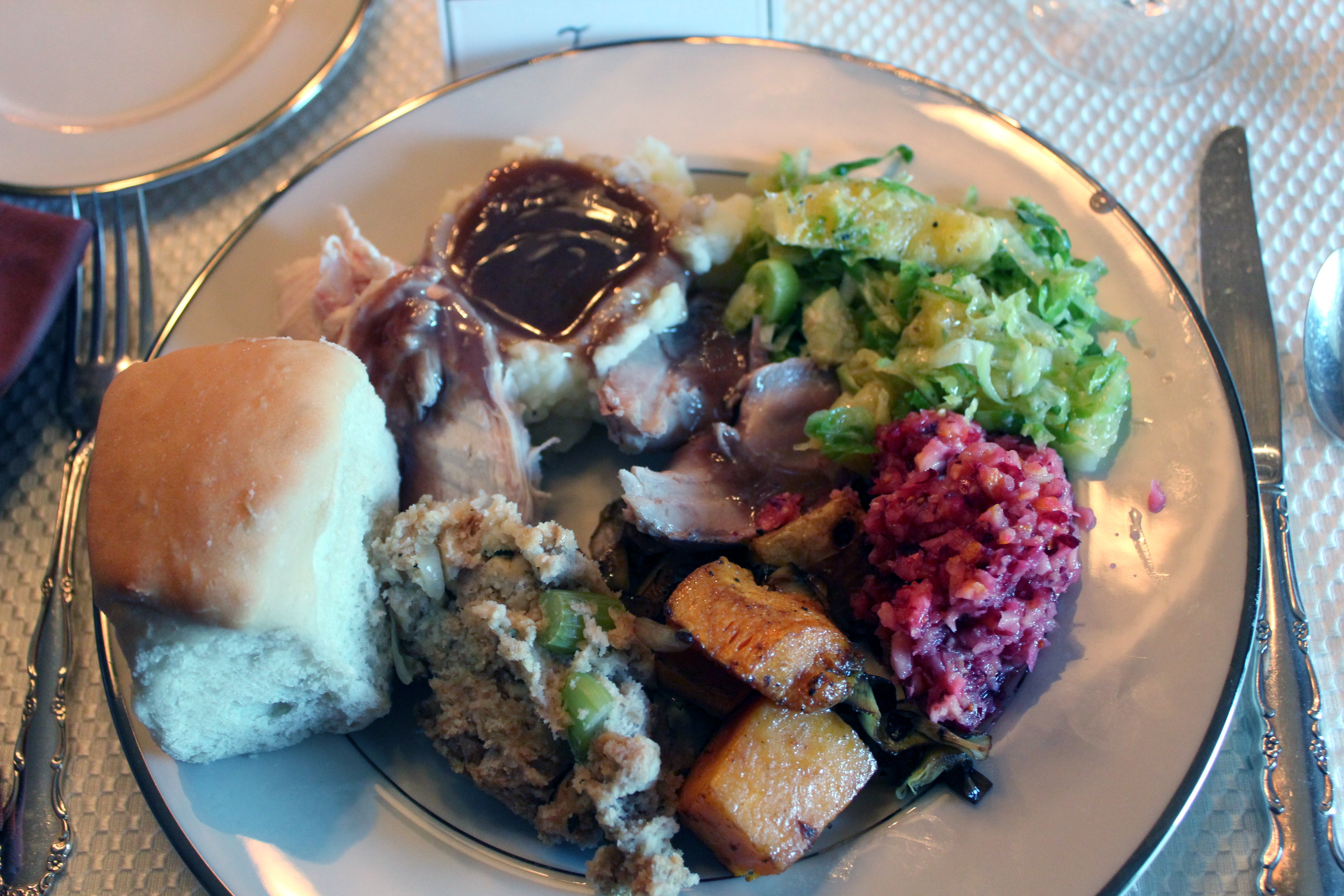
    Recipe: Cranberry Relish

    One of our favorite cranberry sauces is the simplest to make. Because the sauce is raw, the fruit and honey retain their natural enzymes, making this a great digestive aid and palette refresher. 

    • 1 bag of organic fresh cranberries (rinsed)
    • 1 whole organic orange (cubed, large seeds removed)
    • 1 teaspoon fresh grated ginger
    • 1/4 cup good quality raw honey

    Combine in a food processor bowl and pulse to desired consistency. Taste and add more sweetener, if desired. Chill until 30 minutes before the meal. This keeps well in the refrigerator for about a week. 

    Healthier Rolls

    Einkorn Rolls are a fantastic way to enjoy einkorn, a non-hybridized ancient wheat, this holiday. For those avoiding gluten, and this Paleo recipe are wonderful pillows of baked-good-ness for your sopping pleasure.

    Karina’s Gluten-Free Dinner Rolls feature nourishing flours like millet, buckwheat and hazelnut to amp up the nutrition and satisfaction. 

    Garlic Herb Paleo Dinner Rolls from Paleo Running Momma are full of flavor and feature almond flour and grass-fed butter or ghee

    Non-GMO Stuffing

    If you are looking for healthier stuffing cubes, consider Berlin Natural Bakery’s certified non-gmo spelt stuffing. These make more nourishing and flavorful stuffing. They tend to soak up a lot of broth (perhaps due to density?) so amp up your broth by at least 25%. 

    Elevated Potatoes

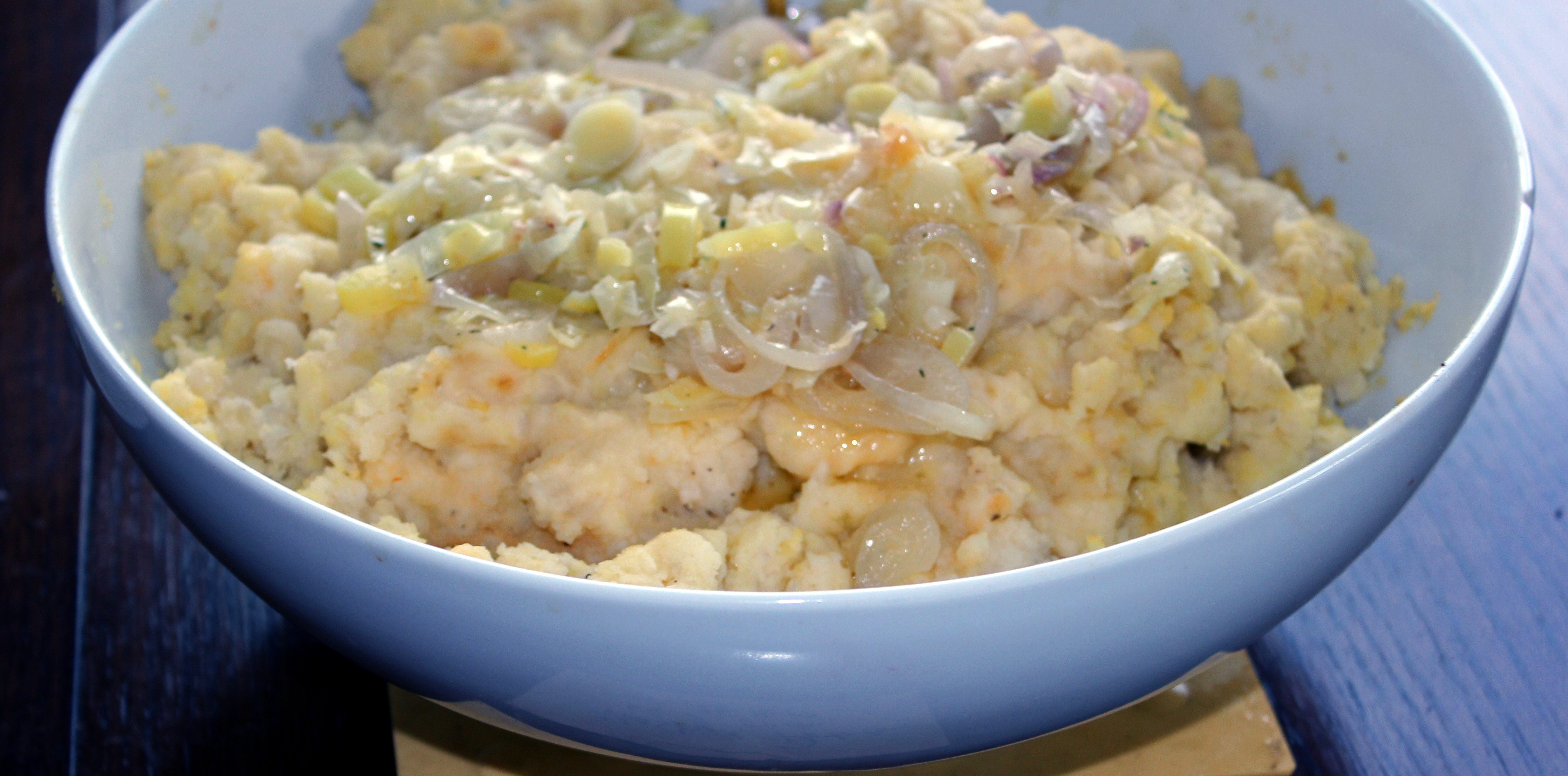
    Onions are a major boon to the standard mashed potatoes in this recipe: Whipped Potatoes with Three Onions. 

    Seasonal Veggies and Squash

    We have a lot of squash growing in local gardens here in Idaho. Butternut, acorn, kabocha and banana squash are common and seemed to grow really well this year. 

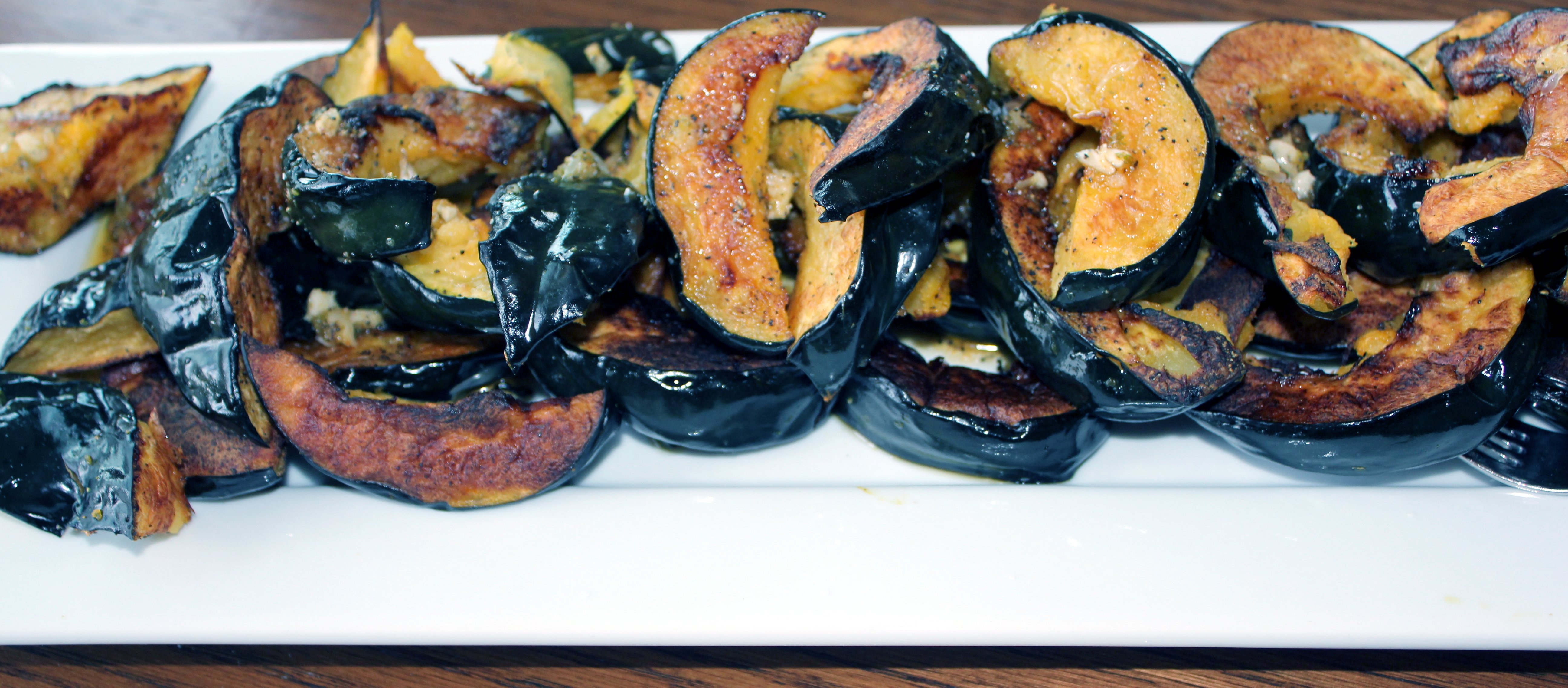
    Roasted acorn squash with chile vinaigrette is a very simple, yet palette-tingling shift out of traditional Thanksgiving flavors. 

    Thrive’s Hasselback squash recipe utilizes a large butternut squash and some quick but fancy knife techniques to transform the 1700’s potato recipe into something even prettier. 

    This Parnsip-Apple Puree is a sweet-light alternative to mashed potatoes. 

    We like sides from the garden like this fresh-tasting Shaved Fall Vegetable Salad with Cider Vinaigrette as a light compliment to the heavier traditional dishes. 

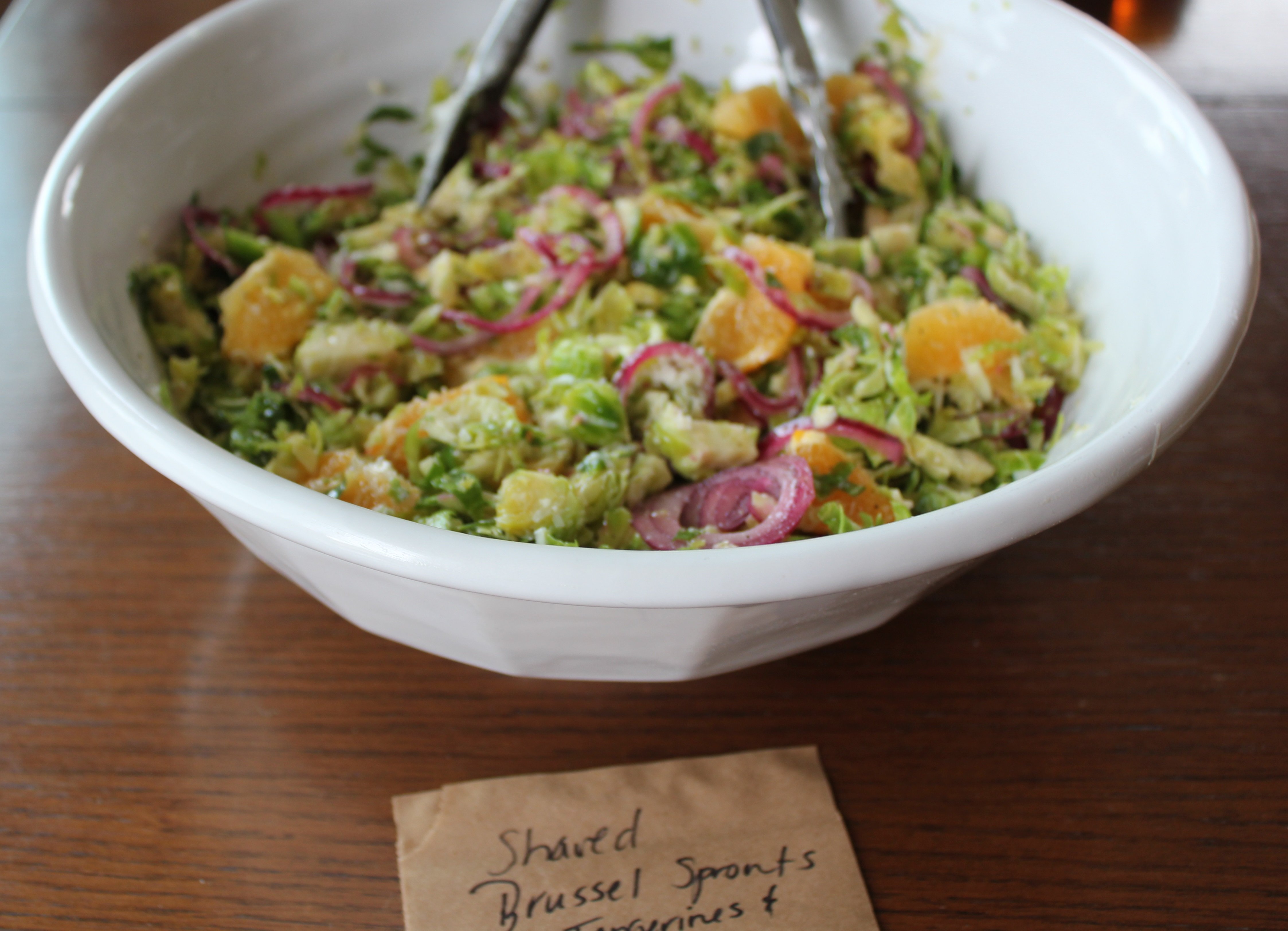
    Shaved Brussel Sprouts with Tangerines are one of our staff faves for texture and a sulfurous contrast to the rich and creamy vibes of Thanksgiving. 

    Pie, Of Course

    For most of us, pie is a must – no matter what diet you may be on. We’ve curated a few traditional and creative takes on the sweet tradition.

    Coupons

    Thrive Market offers the best-selling natural and organic products at wholesale prices through a $60/year membership. Think Costco meets Whole Foods online, and for every paid membership Thrive donates one membership to a low-income American family. Health Freedom Idaho members can sign up to receive 25% off and free shipping off their first order through this link.

    Amazon is showing off their Whole Foods acquisition with this offer. Until November 26th, Amazon Prime members can get 20% off their Thanksgiving turkey at Whole Foods markets. Our Boise store is a valued destination for natural food lovers.

    Jovial Foods is giving 25% off on Cyber Monday for their ancient heirloom non-hybridized Einkorn wheat products and gluten-free foods. (Code: CYBERMONDAY17)

    From Health Freedom Idaho’s volunteer team and their families, to you and yours: a very Happy Thanksgiving! 

  • Herbs Gardens and Grow Lights

    Herbs, we all use them in our daily lives, one way or the other, whether for their pleasant flavor, for their healing power, or in lovely recipes. Herbal benefits are many; be it for spiritual reasons or to spice up your taste buds, or as a home remedy for ailments like cold, or a sore throat; herbs can be handy for each one’s need! Growing them in the shorter growing season in Idaho can pose a challenge that some gardeners have remedied with grow lights.

    mediterranian basil aloe-vera plant
    Mediterranean sweet basil Aloe vera plant

    Growing Basil in a Grow Light and the in the Garden

    Basil can be a great herb to include in your cooking. My wife makes Thai Chicken with Basil that is very delicious. One issue with basil is that it can be fairly expensive, especially in a basil-intensive meal. The Thai Chicken meal that my wife makes takes $2-$3 worth of basil each time she makes it. However, basil seeds are really cheap and growing basil can be pretty easy.

    I’ve had great success growing basil under a grow light and then transferring it to the garden. Basil is sensitive to frost, so if you want to get an early start you’ll need to use a grow light. You can plant the seeds directly in your garden soil if you prefer, but not until after the last frost. I plant basil under the grow light in early February, at the same time I plant onions. I plant 6-8 seeds in a ~3″ deep baking tin, so the seeds have 3″ – 5″ between them. You can probably get away with planting them even closer. Plant them in good potting soil if possible as they will be in there for a while. Keep the soil fairly moist and they should germinate in about a week. I continue to water every 2-3 days. If you start getting moss-type growth on the soil, then water less.

    It takes about two months for the basil to be ready for it’s first harvesting. If you only need a few leaves you can harvest prior to two months. About 45 days after planting, the basil plants start to grow very rapidly and can double in size in two or three weeks. The picture above shows my basil after about 55 days.

    You can harvest basil without killing the plant. Just cut the main stem about an inch below the lowest set of good leaves. The basil will keep growing and you’ll get several good leaves that you can cook with.

    Basil before cutting:Basil in grow light - Before Cutting


    Basil after cutting:Basil in grow light - After Cutting 

    Harvested Basil:

    Harvested Basil

    Once all danger of frost has passed (about mid-May where I live), you can transfer the basil to your garden. Let the tin you planted in dry out a little bit (not completely). Then just dig a little indentation in your garden that will fit the tin. Try to take the whole chunk of dirt and basil plants out of the tin in one group and stick it in your little hole. Now just water it with the rest of your garden, and pretty soon you’ll have more basil than your family can possible use. Basically those 6-8 little plants will grow into a basil bush. When the basil tries to make seeds, just clip off the buds so that the plant keeps growing. As long as you do this, your basil should last until the fall frost. Basil can be used to make tomato sauce, so if you’ve grown some tomatoes you might use your basil when you’re canning.

    You can even dry basil leaves if you’d like. By the end of the summer, our family is usually sick of basil so we just let the plants die and then start the process again the following year.

    Thai chicken with Basil:

    Thai Chicken with Basil

    This article originally appeared at: http://www.idahogardening.com/2013/growing-basil-in-a-grow-light-and-the-in-the-garden/#comment-13176.

  • Get your kids to eat: Green Peas

    Get your kids to eat: Green Peas

    We don’t usually think about green peas as an exotic food in terms of nutrient composition but we should. Because of their sweet taste and starchy texture, we know that green peas must contain some sugar and starch (and they do). But they also contain a unique assortment of health-protective phytonutrients. One of these phytonutrients, a polyphenol called coumestrol, has recently come to the forefront of research with respect to stomach cancer protection.

    A Mexico City-based study has shown that daily consumption of green peas along with other legumes lowers risk of stomach cancer (gastric cancer), especially when daily coumestrol intake from these legumes is approximately 2 milligrams or higher. Since one cup of green peas contains at least 10 milligrams of coumestrol, it’s not difficult for us to obtain this remarkable health benefit. (source)

    Dried peas need to be washed and any discoloured peas or little stones discarded. Split peas don’t need to be soaked but doing so helps speed up the cooking time, but if adding to a soup they don’t need soaking. Simply wash, add to the rest of the ingredients, and cook.

    Dr. Andrew Weil on health benefits and how to cook them:

    There are few of us who have not found comfort in a steaming bowl of split pea soup at one time or another. Split peas are the dried, peeled, and most often split spherical seeds of the common pea plant, Pisum sativum. They can be purchased whole and un-split as well, though these take longer to cook.

    Peas are thought to have originated somewhere between the Middle East and Central Asia; and, until the 16th century, when more tender varieties were able to be cultivated, they were almost exclusively consumed by humans in their dried form.

    Just one cup of cooked split peas provides a full 65 percent of the Daily Value for fiber, making them, like all legumes, highly beneficial in blood sugar management and cholesterol control. Dried peas are also a good source of B vitamins (folate and thiamin) and various minerals such as magnesium, phosphorous and potassium.

    Cooking time: Split peas, 30-60 minutes; whole peas, 60-90 minutes
    Liquid per cup of legume: Split peas, 4 cups; whole peas, 6 cups
    How to cook dried peas: While dried split peas do not need to be soaked, dried whole peas should be soaked overnight prior to cooking.
    For split peas, combine in a pot with fresh, cold water for cooking. Place on stove and bring to a boil in a pot with a lid. Once boiling, reduce to a simmer, tilting the lid slightly to allow steam to escape, and leave to cook for up to 60 minutes, or until mushy.
    For whole peas, drain soaking water and replace with fresh, cold water for cooking. Place on stove and bring to a boil in a pot with a lid. Once boiling, reduce to a simmer, tilting lid slightly to allow steam to escape, and leave to cook for up to 90 minutes, or until tender. (source)

    Here is my all-time favorite recipe for split-pea soup WITH fresh (frozen) peas added at the end. I often adapt this recipe by replacing the bacon (nitrate free of course) with 1-cup of leftover ham that’s been diced, labeled, frozen and ready for soup. 
    This recipe is superbly delicious, and it freezes beautifully. 

    Speedy Split Pea Soup With Bacon (or ham)

    Makes 6 generous servings (or lots to freeze) and is ready in about an hour.

    1 package bacon, chopped (or 1-2 cups diced cooked ham)
    1 large onion, chopped
    2 carrots, peeled and chopped
    2 stalks celery, washed and chopped
    2 cloves garlic, peeled sliced thinly
    2 cups dried split peas
    8 cups chicken or vegetable stock
    2 bay leaves
    1 tablespoon dried rosemary
    Salt and pepper
    2 cups of frozen peas
    1 tablespoon of any vinegar

    Place bacon in a large soup pot over a medium high heat. When the bacon is brown and crispy drain away the fat, leaving about 2 Tbsp in the pot (alternately, first cook veg in a bit of EVOO and add thawed cooked ham when adding dried peas, stock and seasonings). Add onion, carrots, celery and garlic to the pot and sauté for a few minutes. Add the dried peas, stock, bay leaves, rosemary and salt and pepper. Bring to a simmer and continue cooking until the soup is thick and the peas are completely soft. Stir in frozen peas and stir to heat through. Stir in the vinegar and add salt and pepper to taste. (recipe source) Gina’s Note: The bright pop of flavor from the fresh/frozen green peas adds a real freshness and depth to this dish, and the vinegar (I use red wine vinegar) simply highlights all the flavours already there. You won’t actually taste vinegar, it’s simply doing its magic of heightening flavors.


  • All Hail Kale

    All Hail Kale

    ALL HAIL TO KALE! This leafy green grows well in parts of Idaho weathering well through the winter! The most common type of kale is called curly kale or Scots kale, which has green and curly leaves and a hard, fibrous stem.

    If you haven’t already, let’s all bravely select this curly, dark green, leafy veggie at the market and give it a go! There are so many ways to prepare this plant that you’ll not run out of ideas. Plus, if you have fussy eaters, you can hide this nutrient-rich plant into smoothies or sauces. They won’t even notice! However if you’re just jumping on the Kale-bandwagon please take it slow to avoid upsets to your digestive system.

    Quick Serving Ideas: It’s genuinely delicious! Sauté with a little olive oil until wilted, then add a pinch of sea salt, almond slivers and dried cranberries, and sauté for a few more minutes. Serve with brown rice and voila! The perfect low-calorie, high-nutrition lunch!
    ~Braise chopped kale and apples for a few minutes in broth or water. Just before serving, sprinkle with balsamic vinegar and chopped walnuts. Delish!
    ~Combine chopped fresh kale, toasted pine nuts, and crumbled feta cheese with (hot, just drained) whole grain pasta drizzled with olive oil. Healthy and amazing!

    Kid Favorite Recipe: Kale “Chips”
    2 Important Tips: Remove the stems and tear leaves into large pieces and spread them out into a thinner layer on each baking sheet.

    Ingredients:

    per baking sheet:
    • approx. 1/2 bunch kale leaves
    • 1/2 tablespoon extra virgin olive oil or melted coconut oil
    • 1.5 tablespoons nutritional yeast
    • 1 teaspoon garlic powder
    • 3/4 teaspoon chili powder
    • 1/2 teaspoon onion powder
    • 1/2 teaspoon smoked paprika
    • 1/4 teaspoon fine grain sea salt or pink Himalayan sea salt
    • 1/8 teaspoon cayenne pepper (optional)

    Directions:

    1. Preheat oven to 300F. Line a large rimmed baking sheet with parchment paper.
    2. Remove leaves from the stems of the kale and roughly tear it up into large pieces. Compost the stems (or freeze for smoothies). Wash and spin the leaves until thoroughly dry.
    3. Add kale leaves into a large bowl. Massage in the oil until all the nooks and crannies are coated in oil. Now sprinkle on the spices/seasonings and toss to combine.
    4. Spread out the kale onto the prepared baking sheet into a single layer, being sure not to overcrowd the kale.
    5. Bake for 10 minutes, rotate the pan, and bake for another 12-15 minutes more until the kale begins to firm up. The kale will look shrunken, but this is normal. I bake for 25 mins. total in my oven.
    6. Cool the kale on the sheet for 3 minutes before digging in! This really makes all the difference! Enjoy immediately as they lose their crispiness with time.
    7. Repeat this process for the other half of the bunch.

    (PRINT THIS RECIPE FROM OhSheGlows.com )

    Healthline provides this breakdown of kale’s nutrients:

    A single cup of raw kale (about 67 grams or 2.4 ounces) contains (1):

    • Vitamin A: 206% of the DV (from beta-carotene)
    • Vitamin K: 684% of the DV
    • Vitamin C: 134% of the DV
    • Vitamin B6: 9% of the DV
    • Manganese: 26% of the DV
    • Calcium: 9% of the DV
    • Copper: 10% of the DV
    • Potassium: 9% of the DV
    • Magnesium: 6% of the DV
    • It also contains 3% or more of the DV for vitamin B1 (thiamin), vitamin B2 (riboflavin), vitamin B3 (niacin), iron and phosphorus

    This is coming with a total of 33 calories, 6 grams of carbs (2 of which are fiber) and 3 grams of protein.

    Kale contains very little fat, but a large portion of the fat in it is an omega-3 fatty acid called alpha linolenic-acid.

    Given its incredibly low calorie content, kale is among the most nutrient-dense foods in existence. Eating more kale is a great way to dramatically increase the total nutrient content of your diet.

    This article originally appeared at: https://frontyardtobackcountry.com/2013/09/26/magnificent-kale/.
    Recipe 

  • Get Your Kids To Eat: Spinach

    Get Your Kids To Eat: Spinach

    It is hard to beat spinach when talking about nutrient packed greens. Just one leaf contains a sampling of more than 20 different nutrients. The list of benefits is nearly as long as the amount of nutrients: cancer fighting, blood pressure beating, bone strengthening, cardiovascular helping, brain boosting, skin smoothing, vision improving, inflammation reducing, energy increasing, and more. Spinach is a green smoothie staple for all!
    We eat it raw. Fresh, Crispy and full of flavor. 
    Some kids need a bit of dressing to ‘tone down’ the boisterous flavor of spinach. For these children we make a ‘real food’ dip.
    They enjoy spinach leaves in this special ‘ranch’ dressing. 
    Thanks to Wellness Mama for this homemade healthy ranch dressing with greek yogurt, olive oil and spices and no artificial ingredients!
    Serves: 4
    Ingredients
    • ½ to ¾ cup Plain Full Fat Yogurt or Greek Yogurt
    • 1 tsp (or more to taste) of dried dill weed
    • Sprinkle of salt and pepper to taste
    • 1 small clove of garlic
    • 6 TBSP olive oil
    • 2 TBSP parmesan
    Instructions
    1. Put yogurt, garlic and spices in a blender or food processor and blend until smooth.
    2. Very slowly, add the oil so that it emulsifies.
    3. Use immediately, or store up to 1 week in the fridge
    What tricks do you use to get your kids to acquire tastes for healthy fare?
  • Get Your Kids To Eat: Romaine

    Get Your Kids To Eat: Romaine

    Romaine lettuce is a nutrient rich leafy green that is good for your heart and low in calories. The vitamin C and beta-carotene content help to lower cholesterol and prevent build up on artery walls, which reduces the risk of heart attack. Being low in calories also helps you lose weight while keeping you full.

     Seems easy. But not the easy stuff isn’t always so easy. 

    We tend to “hide this lettuce in: 
    • A mixed green salad
    • Upon the hamburger
    • Dipped into our favorite ranch
    • Tucked into a taco
    What do you do to help your children ‘acquire a taste’ for healthy foods ?