Tag: remedy

  • Lemon Balm. 5 Uses For This Easy To Grow Herb.

    In southern Idaho the lemon balm is full and ready for harvest. If you’ve ever planted lemon balm you know how one tiny plant can quickly take over a large portion of your garden! Hint: Lemon Balm is a perennial. Plant lemon balm in a pot as it will spread (and take over your garden). The herb thrives in full sun, but can be grown in partial shade. Lemon Balm can be grown in most areas of the United States, US hardiness zones 4-9.

    This herb that not only attracts bees to the garden, but is also a great anti-viral with relaxing properties that are helpful for soothing frayed nerves and calming hyper children.

    Traditionally, it’s been used to gently treat colic and upset stomach in everyone from infants to elders. A leaf can be chewed to freshen the breath or crushed and placed on a bug bite to help ease the itch.

    Note: While it’s generally considered safe for most people, large amounts of lemon balm may inhibit thyroid function. If you have hypothyroidism (underactive thyroid), are on thyroid medication, or are pregnant, nursing, or have any other questions or concerns, talk with a qualified health professional before use. 

    1. Lemon Balm Tea
    This is a delicious way to calm and relax everyone from children to adults!

    • Place about 3/4 cup lemon balm leaves into a small pot and add enough water to just cover the leaves.
    • Simmer, covered partially, until the liquid is reduced in half.
    • Strain out & compost the leaves.
    • While still quite warm, measure out about 1/2 cup of the concentrated tea and stir 1/4 cup raw honey into it.
    • Add more honey to taste, if you wish.
    • Store in the refrigerator for about 3 days.
    • Dose by the spoonful at night to help calm and relax. (Honey should not be used with children under 1 year old.)

    Note: You can make larger or smaller batches – keeping a ratio of about 2 parts lemon balm infusion to 1 part honey.

     2. Make a lemon balm bug spray:

    I’ve tried a lot of homemade bug spray recipes and this is my favorite one.

    The best part is that it’s yet another way to help use up some of my abundance of lemon balm and other herbs!

    You can find the full recipe and how to make it in this blog post, Lemon Balm Bug Spray.


    3. Chop fresh leaves and sprinkle on salads or in baked goods:

    Drizzle the salads with honey or a dressing made of yogurt and honey.

    Try adding finely chopped leaves (1 to 2 TBSP) and lemon zest (a pinch) to your favorite scone or muffin recipe.

    Fresh leaves can also be frozen in ice cubes to dress up a summer beverage.

    4. Make a lip balm for cold sores:

    This lip balm recipe was designed especially for my son who developed cold sores triggered by sunshine when he was young.

    It cleared his cold sores up within a few months and they stayed away!

    You can find the full recipe and how to make it in this blog post, Super Healing Cold Sore Lip Balm.

    5. Make a glycerite:

    Glycerites are a sweet way to dose herbal medicine without the alcohol that regular tinctures contain. Herbal infused glycerin can also be used as an ingredient in lotions, toners and aftershave recipes.

    To make a lemon balm glycerite:

    • Fill a jar with lemon balm leaves.
    • Cover with a mixture of 3 parts vegetable glycerine to 1 part water.
    • Cap and let this sit in a dark place for 3 to 4 weeks.
    • Strain.
    • Dose is 1/2 to 1 teaspoon as needed to relax and calm.
    • Store in your refrigerator for several months.

    (Adapted from Rosemary Gladstar’s Medicinal Herbs.)

    Lemon Balm is also a star ingredient in this trusted Favorite Cold & Flu Tincture.

    Find a Dozen Great Uses at thenerdyfarmwife.com

    Print Friendly, PDF & Email
  • Healing Herb Thyme for Cough and Cold

    The herb thyme is an ancient medicinal that was used for its healing properties by all early Mediterranean civilizations and was mentioned in writings by both Hippocrates and Dioscorides. In modern times science research has shown that taking thyme by mouth, alone or in combination with other herbs, reduces coughing in people with bronchitis, upper respiratory tract infections, or common colds. Thymus vularis ct. linalol is recommended by herbalists as an effective and safe beginner herb for children and the elderly. It is easy to make this fragrant herb into a Honey Thyme Homemade Cough Syrup which will allow your body to reap the benefits of both honey and thyme in fighting off germs and helping to relieve those uncomfortable symptoms of colds.

    DIY Honey Cough Syrup

    The organic raw honey in the syrup is soothing and they thyme offers a host of great healing properties due to Thymol. Making your own is a simple process. Go here for a printable version.

    Grow Your Own ‘Medicine’

    Thyme is a special herb that’s easy to grow or use to make your own teas and essential oils. Here’s how to grow it. 

    Thyme is easy to grow and will do well in a summer garden or in a pot. There are several varieties of thyme, including a lemon thyme that makes a great tea, and creeping varieties that make a pretty ground-cover – though common thyme (T.vulgaris) is the most commonly used in the kitchen and in the herbalist’s workspace.

    It prefers hot and dry conditions, so choose it’s location according to this. Somewhere that gets full sun throughout the day is best. It likes dry and coarse soil; over-watering your thyme is the quickest way to kill it, so go light on the moisture.

    When the plant begins to produce flowers, you can cut it and dry. Either hang it upside down in a clean and dry place, or use a food dehydrator. Having dried thyme ensures you will be able to reap it’s benefits even in the colder months when your plant isn’t producing.

    Read more: http://naturalsociety.com/benefits-of-growing-thyme-plants-grow-own-medicine/#ixzz5kQFMIcGN 

    Science Research Proves Thyme Destroys Step Throat and respiratory Infections

     Thymol is derived from thyme and is a powerful antimicrobial that helps with bronchial and respiratory infections. Thyme oil is highly concentrated and should be used with caution! Always dilute with a neutral carrier oil. There are some who believe that ingesting oils such as thyme should be limited. Please view this safety information by expert Robert Tisserand.

    A 2011 study showed thyme oil to be highly effective against 120 strains of bacteria taken from patients with oral, respiratory and urinary tract infections, including several antibiotic-resistant strains.

    A 2013 study focused more specifically on strep throat. Of the 18 essential oils researchers tested, they found five that exhibited “significant antibacterial activity” against strep: thyme, oregano, cinnamon, lemon grass and winter savory.

    The study’s authors note that penicillin is not always effective at treating Streptococcus pyogenes. and say the five herbs could be an “interesting” addition to our “alternative therapeutic arsenal.”

    Dr. Axe recommends adding 2 drops of thyme oil to a mouthful of water and gargling to relieve sore throat.

    A 2016 study found that ingestion of thymol — a phenol obtained from thyme oil — significantly shortened the duration of upper respiratory infection, while alleviating cough and shortness of breath.

    The effectiveness of the combination of thyme extract, primrose extract and thymol was “comparable to synthetic antibiotic ambroxol,” the study’s authors wrote.

    https://cafejohnsonia.com/2012/10/diy-honey-thyme-cough-syrup.htmlSOURCES:

    http://naturalsociety.com/benefits-of-growing-thyme-plants-grow-own-medicine/

    https://returntonow.net/2019/01/26/thyme-destroys-strep-throat-and-respiratory-infections/

  • Could Diet Remedy Going Grey Prematurely?

    Gray hair is not a sign of aging that is readily embraced by everyone who comes across this form of depigmentation. Each hair follicle contains pigment (called melanin — the same thing that colors our skin) that gives our hair its color. As we get older, we produce less pigment, resulting in gray hair. Dermatologists usually use the “50-50-50” rule of thumb which states that at 50 years old, 50 percent of the population has at least 50 percent grey hair. Melanocytes, the cells responsible for the production of melanin, decrease as you age. With this reduction, your hair’s pigmentation decreases, causing natural colors to turn shades of silver, gray and even white. Hair dyes have long been the treatment method of choice to avoid growing old gracefully, but proper diet and nutrition may be the answer that will stop gray hairs from ever sprouting. There are some that believe that its possible to reverse grey hair (or at least darken it) using onion juice.
    Health Issues That May be Indicated by Prematurely Gray Hair

    Celiac disease. (Within weeks, a gluten-free diet may result in hair darkening years after going gray.)
    • Endocrine imbalance. (Balancing hormones may result in hair darkening within months.)
    • Pernicious anemia.

      Supplements That May Help Halt or Reverse Graying Hair
      B-12
      Para-aminobenzoic acid (PABA) (from folic acid)
      Copper

    How to Correct a Vitamin or Mineral Deficiency
    When addressing nutritional deficiencies, there are 3 things to consider:
    • Diet
    • Toxic load
    • Ability to assimilate nutrients (gut health)

    A Healthy Diet – A Healthy Body

    The foundation of all health is a truly healthy diet – a whole food diet that consists of 80% or more fresh, organic produce, more vegetables than fruits. One large salad per day filled with a variety of vegetables can change your health. You will be giving your body the nutrients it needs to fuel and repair itself and the prebiotic foods to ensure gut health and on-going detoxification if you include the right foods.

    Eating certain foods boosts hair pigmentation, but avoiding certain foods is also essential. High quantities of salt can damage the blood, elevating blood pressure and inhibiting cell production. According to Evolution Hair Centers, processed foods, chips and other snack foods are loaded with salt that damages your hair. Other foods to avoid include high-carb foods such as pasta and white bread. A truly healthy diet eliminates processed foods along with all artificial flavors, colors, and preservatives, MSG, GMOs, trans fats, high fructose corn syrup, and refined sugar. It limits caffeine. It includes healthy fats rich in omega 3s and plenty of pure water.

    A healthy diet, a thorough detox and the right supplements may not result in darkened hair, but there is no doubt these changes will result in greater health. If you choose to supplement B-12 or folic acid, it is best to take a vitamin B complex. B vitamins work together. Be sure to choose a high-quality vitamin/mineral supplement.


    Vitamins

    Vitamins are essential to every single function your body performs on a daily basis. This includes hair growth and coloring.  A study of young people, 20-years-old and younger who had prematurely gray hair showed low levels of iron, copper and zinc. “Low vitamin B12 levels are notorious for causing loss of hair pigment,” says Dr. Karthik Krishnamurthy, director of the Dermatology Center’s Cosmetic Clinic at Montefiore Medical Center in the Bronx, New York, tells Good Housekeeping. And a 2013 study found low vitamin D3, serum calcium and serum ferritin levels in people who went gray prematurely.

    Herbs

    Flavoring your food with the proper herbs is also beneficial to stopping gray hair in its tracks. According to World Of Hair’s website, curry leaves are a proven method of staving off gray hair. Adding curry to your dishes for flavor plays a dual role in boosting melanocyte production, with shine being an added benefit. Curry leaves eaten whole are also an ideal way to ensure you benefit from the properties this herb holds. However, this spice may be too strong for some.

    Minerals

    Alongside vitamins, certain minerals provide hair health support. Evolution Hair Centers says iron and folic acid are two such minerals, aiding vitamins B12 and C in blood-cleansing abilities. Individuals with lower-than-normal levels of iron suffer a condition called anemia, which has adverse effects on your hair that include fading and dull appearance. Consuming green leafy vegetables, liver and whole grains will ensure iron and folic acid are present in your system at all times. Other minerals that are required to fight the grays include copper and iodine, found in shellfish and other seafood, according to “Women’s Fitness” magazine.


    Onion Juice Reverses Gray Hair

    Onion juice has been used for centuries treat thin graying hair and alopecia. Onion juice has many benefits to the hair follicles:

    Onions are rich in sulphur and other compounds that are great for killing infections. Onion juice kills germs, parasites, some fungal infections; all can cause hair loss. Onions remove hydrogen peroxide buildup and reduce inflammation while providing enzymes, vitamins, minerals, and other nourishment to regenerate the hair floccules.

    Studies have shown that daily onion juice applied topically can reduce and reverse greying and regrow hair. You can juice or crush the onion. Apply the onion juice daily to your scalp and lightly massage or brush it in. Leave the onion Juice on the scalp for 30 minutes to 1 hour.

    Start with a small amount, it’s tricky and it’s messy.

    How To Extract Onion Juice?

    There are mainly three ways by which you can extract onion juice. They are:

    1. Juicer: This is the easiest and the most popular method, which involve minimum efforts. All you need to do is to simply cut the onion into two pieces, put them into a juicer and make onion juice. Any inexpensive juicer will work very well for this.
    2. Blender: This is yet another commonly followed method. Take any blender or food processor to roughly blend the onion, ensure not to finely blend the onion. Once you have the blended onion, strain the juice out of the blended onion.
    3. Grater: Just in case you do not have a juicer or blender, you can simply grate the onions. Peel the onion and cut into two halves. Now grate the onions and extract the juice with the help of a strainer. (googles might help the onion tears in this case!)

    How To Use Onion Juice?

    Onion juice is very strong in nature, so doing a patch test is always recommended so as to avoid any allergic reaction or an adverse effect.

    Once you have the patch test is done without the discovery of any allergic reaction, you can follow to use the onion juice as a treatment.

    Apply the onion juice daily to your scalp and message it in very gentle motions. The gentle massage stimulates the follicles of hair, and also allows maximum amount of juice absorption. Leave the juice for about 40 minutes to 1 hour. Your hair may become a little stiff -nothing to worry about.
     Wash with a mild shampoo after an hour..

    Just in case you cannot stand the smell of onion, you can try using the juice in night, sleep and wash your hair next morning. Storing onion juice for more than a day is not recommended; Infact using the juice instantly after extracting is considered best.

    Remember that a gentle massage and good absorption of onion juice is the key to great results in gray hair reversal. Not only do the onions act as catalase, but they are also a very good source of Biotin, Manganese, Vitamin B6, Copper, Vitamin C, dietary fiber, Phosphorus, Potassium, Folate, and Vitamin B1. Â This not only helps in gray hair reversal but will also help in improving overall health of hair.

    So when are you giving onion juice a chance in your hair care regime?

    Further Reading: Gray Hair – Nutritional Medicine, 1st Edition, Alan R. Gaby, M.D.


    Diet to Prevent Gray Hair | LIVESTRONG.COM. https://www.livestrong.com/article/281798-diet-to-prevent-gray-hair/

    What gray hair says about your health – YouTube. https://www.youtube.com/watch?v=JF1C9PM8PeM

    Reverse Gray Hair Naturally – organiclifestylemagazine.com. https://www.organiclifestylemagazine.com/reverse-gray-hair-naturally

    What gray hair says about your health | MNN – Mother …. https://www.mnn.com/health/fitness-well-being/stories/what-gray-hair-says-about-your-health

    Gray hair linked to nutritional deficiencies …. https://www.naturalhealth365.com/gray-hair-nutrition-news-2629.html

  • Natural Remedy Activated Charcoal

    Julie: Our family found the benefits of activated charcoal when one of my children, highly sensative to a variety of foods, would vomit for days upon contamination. We tried every ‘remedy’ and discovered when given charcoal fast enough after exposure, we could elminate days and hours of his agony. We use it at the first sign of indigestion now and haven’t had to deal with that type of reaction in years. 

    Other Benefits of Activated Charcoal

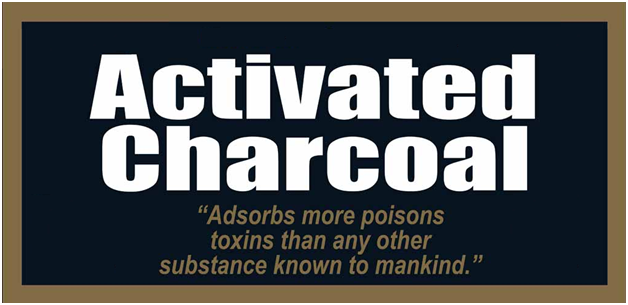
    • The secret to an effective “whole body detox” might just be activated carbon (aka activated charcoal).

    • Ancient physicians used regular charcoal for a variety of medical purposes, including treating epilepsy and anthrax. Today, beyond use in hospitals as an antidote for drugs and poisons, activated charcoal is a global remedy for general detoxification and intestinal disorders.

    • The porous surface of activated charcoal has a negative electric charge that attracts positively charged toxins and poisons. It binds them, and escorts them out of your body through the elimination process of your intestines.

    • Activated charcoal is completely odorless, tasteless, and safe to consume and can be purchased in handy capsules or tablets.

    WHAT IS Activated Charcol?

    You make activated charcoal by burning a source of carbon (wood or debris or coconut shells). The high temperature removes all the oxygen and activates it with gases like steam. Basically the process that creates activated charcoal (steam heating and oxidation) ends up creating an adsorbent internal lattice of very fine pores that capture, bind, and remove poisons, heavy metals, chemicals, bacteria, toxins, and intestinal gases which have thousands of times more weight than the charcoal itself.

    It’s hard to believe, but just two grams of activated charcoal powder has about the same surface area as an entire NFL football field! The porous surface has a negative electric charge that attracts positively charged toxins and poisons; it binds them, and escorts them out of your body through the elimination process of your intestines.

    Detoxification

    Detoxifying Your Body With Activated Charcoal

    Toxins from low quality, GMO, processed food, and environmental pollution are real problems. It is important to help your body eliminate them to promote a healthy digestive system and brain. Chronic exposure to toxins produces cellular damage, allergic reactions, compromised immunity, and more rapid aging.

    Regular use of activated charcoal can remove unwanted toxins from your body, leaving you feeling renewed and more vibrant − often in minutes! Activated charcoal helps unwanted bacteria move through your system faster before they spread and multiply, helping you feel better faster. In addition, activated charcoal flushes out all the toxic heavy metals (such as arsenic, copper, mercury, and lead) that are stored in your body, sometimes for decades.

    The best long-term study on the detoxification benefits of activated charcoal was conducted by Professors David O. Cooney (University of Wyoming) and Thomas T. Struhsaker (Duke University). The two professors learned that the monkeys on the African island of Zanzibar eat charcoal from burned tree stumps in order to detoxify.

    I understand if the idea of swallowing a spoonful of what is essentially ash may not tickle your fancy.  However, activated charcoal is completely odorless, tasteless, and safe to consume and can be purchased in handy capsules or tablets. And it’s a powerful detoxifying agent to boot!

  • Peppermint for Upset Stomach

    Peppermint – more than a candy cane for Christmas time, in our house its the 1st line of defense against an upset stomach. With a little who has food sensativities this has been our go medicinal herb. It goes easily and can be an envasive plant to potted is best to avoid having it overrun your herb garden.

    When it comes to the uses of peppermint for upset stomach, its most potent compound is menthol, a strong antispasmodic that helps to calm spasms in the stomach and intestines.

    This antispasmodic activity makes peppermint useful for vomiting, gas pains, colic, intestinal cramping, and even minor symptoms of irritable bowel syndrome (IBS). In addition to being anti-spasmodic, menthol reduces built-up gas, stimulates the production of bile, and relieves pain.

    How to Use Peppermint for Upset Stomach

    The digestive system is prone to a great number of issues: heartburn, indigestion, nausea, cramping, gas. The list goes on and on. Peppermint can help soothe and calm nearly every complaint the digestive system throws at it.

    There are a few ways to use peppermint for upset stomach, and some are more effective at easing certain problems. Let’s look at peppermint tea first…

    Peppermint Tincture for Indigestion

    Peppermint tincture, made by soaking the herb in alcohol to draw out its beneficial compounds, has proven to be more effective in relieving indigestion than the herbal tea. The reason for this is that peppermint’s medicinal compounds are only partially soluble in water – but alcohol can draw them all out.

    Take 20-60 drops (0.5-1 ml) of peppermint tincture in a small glass of water up to three times a day for the relief of indigestion.

    Alternatively, try making a peppermint julep for a cool and soothing treat on a hot day. It will make you feel like a rich, southern aristocrat too!

    Just crush 4-5 sprigs of peppermint and put in a glass with two teaspoons sugar and 2 1/2 ounces bourbon. Fill the rest of the glass with crushed ice. Stir well and enjoy.

    Peppermint Essential Oil

    Inhaling peppermint essential oil can be very helpful for allaying feelings of nausea and may even keep vomiting at bay. I often grab some to breathe while brewing peppermint tea.

    Breathe directly from the bottle every 5-10 minutes as needed or place 5-7 drops in an essential oil diffuser. If you’re on the go, put a couple drops on a tissue to keep in your pocket and inhale when the nausea rises up again.

    Caution:

    Inhaling peppermint essential oil may aggravate asthmatic symptoms.

    Peppermint oil should not be confused with peppermint essential oil, which should not be taken internally.

    Using peppermint for upset stomach of all sorts can be beneficial for many people. Peppermint is one of the best-tasting medicinal herbs we have, which makes using it when the digestive system is in an uproar easy and pleasant. Even if you’re feeling nauseous or have been vomiting, drinking a cup of peppermint tea will be delicious.

    How do you use peppermint?

    Sources

    Duke, James A., Ph.D. The Green Pharmacy. Rodale Press Inc., 1997.

    Stengler, Mark, ND. The Natural Physician’s Healing Therapies: Proven Remedies Medical Doctors Don’t Know. Prentice Hall Press, 2010.

    This information has not been evaluated by the FDA and is intended only for educational purposes. It is not intended to diagnose, prevent, treat, or cure disease. Always consult a healthcare professional before making significant changes to your healthcare routine.

  • Vaccine Preventable Diseases Summarized

    Our bodies are amazing. Even getting an illness is part of our bodies journey to transformation and total health. Dr. Stephanie Seneff (Senior Research Scientist MIT) made this fairly new discovery in regard to the flu virus.

    She says we live in a symbiotic relationship with all the other species, even the pathogens. The Flu virus goes into the muscles cells and reprograms them to hand over their sulfate. The flu virus delivers the sulfate to your blood. The sulfate cleans your blood by killing off the weak cells allowing growth for new cells. In effect, the flu virus is rescuing your blood from a future meltdown (more serious illnesses, perhaps cancer).

    The potential meltdown was there before getting the flu. It’s much like an overcrowded forest that catches fire to thin and clear out the debris and weak trees. It’s a natural process. Depending on what we eat, if we exercise, and if we take supplements to fortify our forest (blood) keeping only the strongest trees (cells) to begin with. Getting sick with the flu isn’t bad, it’s actually good for your body. You are cleaning house.

    Injecting thimerosol (ethylmercury), formaldehyde, glutaraldehyde, aluminum hydroxide, polysorbate 80, Fenton medium (containing bovine extract), modified Latham medium (derived from bovine casein), modified Stainer-Scholte liquid medium, aluminum phosphate, 2- phenoxyethanol, Stainer-Scholte medium, modified Mueller’s growth medium, modified Mueller-Miller casamino medium (without beef heart infusion), dimethyl-1-beta-cyclodextrin, aluminum hydroxide, vero (monkey kidney) cells, calf serum, lactalbumin hydrolysate, neomycin sulfate, polymyxin B, and more, is not cleaning house. Quite the opposite.

    What happens with the ‘vaccine preventable’ illnesses?

    Chicken Pox = itchy rash; 5-7 days;

    Diptheria = low fever, sore throat; many infections are asymptomatic or mild; treat with antitoxin and antibiotics

    Haemophilus influenzae Type B (Hib) = flu symptoms, stiff neck; treat with antibiotics for 10 days

    Hepatitis A = transmitted orally through feces; children usually have no symptoms; flu symptoms, jaundice

    Hepatitis B = transmitted through blood, semen, vaginal fluids; flu symptoms, jaundice; most people do not show symptoms; acute Hep B

    Human Papilloma Virus (HPV) = transmitted sexually; usually resolves itself with no symptoms; takes years to develop into cancer; regular pap screens prevent cancer; vaccine discontinued in Japan due to adverse reactions

    Influenza
    – a.k.a. “the flu”; high fever, cold symptoms, vomiting; lasts 7-10 days; resolves itself; vaccine contains mercury (thimerosal)

    Measles = fever, cold symptoms, rash; 7-10 days

    Meningitis = flu symptoms, stiff neck; usually caused by bacteria or virus; viral usually causes no symptoms and resolves itself; bacterial is spread through saliva (kissing, coughing); most people who ‘carry’ the bacteria never become sick; bacterial is treated with antibiotics

    Mumps = fever, swelling of salivary glands; many people show no symptoms; resolves itself within a few weeks

    Pertussis = a.k.a. “whooping cough”; Besides a cough that sounds like “whoop,” symptoms include a runny nose, nasal congestion, and sneezing.

    Pneumococcus = flu symptoms, stiff neck; treat with antibiotics

    Poliomyelitis = 72% of infections cause no symptoms; 25% flu-like symptoms that last 2-5 days; 0.5% leads to more severe symptoms such as paralytic polio; only people with the paralytic infection are considered to have the disease

    Rotavirus = vomiting, diarrhea; children, even those that are vaccinated, may develop rotavirus disease more than once.

    Rubella = a.k.a. “three day measles”; flu symptoms; 1-3 days; 25 to 50% of people infected with rubella will not experience any symptoms

    Tetanus = sudden, painful contractions of muscle groups; caused by Clostridium tetani transmitted through broken skin; the bacteria can NOT survive in an oxygenated environment. prevention is to allow wound to bleed freely because the bacteria needs oxygen to germinate; treatment is tetanus immunoglobulin injection and hospitalization

    Vaccine Risks = ALL product inserts list numerous potential reactions including impaired immune system; autoimmune disorders; neurological damage, physical damage, and/or death.

    Vaccines that shed (are contagious): Measles, Mumps, Varicella (Chicken Pox), Oral Polio, Rubella, Rotavirus, Influenza (Flumist). Meaning they can infect the host and/or others around them for up to 6 weeks after injection. There are many studies showing that shedding has and can occur.

    References:
    CDC.gov (main source)
    medscape.com
    immunize.org/packageinserts/ (Flu vaccine ingredient; adverse reactions)

    Protocol for certain illnesses:

    Pertussis – High doses of vitamin C

    http://drsuzanne.net/dr-suzanne-humphries-oral-intravenous…/

    http://www.vaccinationcouncil.org/…/vitamin-c-for-whooping…/

    Meningitis – High doses of Vitamin C (IV), Genistein, Essential fatty acids, Perilla leaf extract, Rosmarinic acid, & Superoxide dismutase.

    http://www.lifeextension.com/…/infections/meningitis/page-06

    Mumps – High doses of Vitamin C

    https://riordanclinic.org/…/high-dose-intravenous-vitamin-…/

    Measles & Rubella – High doses of Vitamin C & Vitamin A

    http://drsuzanne.net/dr-suzanne-humphries-oral-intravenous…/

    Chicken Pox -High doses of Vitamin C, garlic, echinacea, and astragalus (avoid Ibuprofen as it can cause a serious secondary infection).

    https://www.drweil.com/…/body-m…/hair-skin-nails/chickenpox/

    Shingles – High doses of Vitamin C (IV)

    https://www.ncbi.nlm.nih.gov/m/pubmed/22460093/

    Hepatitis B – Glutathione, glutathione peroxidase, Selenium, Zinc, vitamin E, B Vitamins and vitamin C

    http://www.lifeextension.com/…/infectio…/hepatitis-b/page-08

    Pneumonia – High doses of Vitamin C

    http://orthomolecular.org/resources/omns/v12n18.shtml

    https://www.ncbi.nlm.nih.gov/pmc/articles/PMC2099400/…

    https://www.ncbi.nlm.nih.gov/m/pubmed/22582501/…

    Polio – High doses of Vitamin C

    http://www.doctoryourself.com/klennerbio.html

    Small pox & Anthrax – High doses of Vitamin C (IV)

    https://www.peakenergy.com/health_ebytes/issue_1.php