
As a mom, the most common question we face is how to naturally ease stomach pain. From colicky babies to cancer patients, dozens of people choose the most effective and safest remedy for stomach problems. As with any natural “cure,” there are no guaranteed magic bullets, see your doctor if you have chronic stomach pain. But if you’ve just eaten some funky take-out or if you’re trying to relieve menstrual cramps, your child has tummy troubles after too many spins on the playground merry-go-round there are lots of natural alternatives to at least calm your belly.
Here’s a list of twelve herbal and home remedies to help soothe many types of stomach discomfort.
1. Enjoy a Cup of Chamomile Tea

Chamomile can help ease the pain of a stomach ache by working as an anti-inflammatory (for example the lining of the stomach can become inflamed as a result common gastritis, caused by bacteria) and by relaxing the smooth muscle of the upper digestive track. When it relaxes that muscle, the contractions that are pushing food through your system ease up a bit and lessen the pain of cramping and spasms.
You will need…
-1 teabag of chamomile tea OR 1-2 teaspoons of dried chamomile
-A mug
-Hot water
Directions
Pour boiling water over a teabag and cover your mug, letting it steep for 10 minutes. If using dried chamomile, place 1-2 teaspoons in a mug and cover with boiling water. Cover the mug and let steep for 15-20 minutes. Sip slowly.
2. Use a “Hot” Pack
I put hot in quotations because you don’t truly want it hot-just very warm, but comfortably so. You can also use a hot water bottle for this as well. Heat helps to loosen and relax muscles, so if you find yourself cramping up, some warmth can go a long ways for relieving you of the dreadful discomfort.
You will need…
-A hot pack, hot water bottle, or something similar
-A cozy place to lie down
Directions
Find a place to lie down, and rest the hot pack on your belly. It should be a comfortable temperature, but definitely warm. Do this for at least 15 minutes, or as long as you need to, reheating as necessary.
3. Rice Water
Rice water is exactly what it sounds like-the water left-over after you cook rice. It acts a demulcent, meaning a substance that relieves inflammation by forming a sort of soothing barrier over a membrane, in this case, the lining of your stomach.
You will need…
-1/2 cup of white rice
-2 cups of water
-A pot
Directions
Cook your rice with twice the amount of water you normally would for your chosen amount. In this case I am using plain old long-grain white rice. Put your rice in a pot on the stove and add the water, cooking over medium-low heat. As the rice starts to become tender, remove it from the heat and let it soak for 3 minutes with the lid on the pan. Drain and drink the water warm, adding a smidge of honey if needed. Save the rice for a bland meal later.
4. Enjoy Some Mint
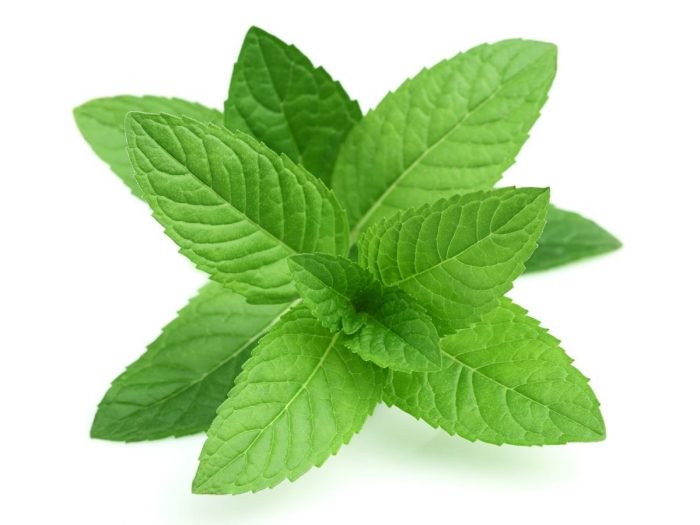
Fresh peppermint tea (or just peppermint tea in general) can help relax stomach muscles. It also helps improve the flow of bile, which helps you digest properly. This is especially useful if suffering from indigestion or gas/bloating.
You will need…
-A handful of fresh peppermint leaves OR 1-2 teaspoons dried
-Mug
-1 cup water
Directions
Cover the peppermint with 1 cup of boiling water, cover, and let steep for 5-10 minutes. Sip slowly while it’s still toasty warm. If using the fresh peppermint leaves, you can chew on them as well to ease stomach pains. You can also just use a pre-made teabag if you find that more desirable.
5. Warm Lemon Water

Lemon water, if your issue is indigestion, helps a stomachache. The high acidity level stimulates the production of hydrochloric acid, which breaks down our food. By upping the amount of HCL being produced, you help move digestion along at healthy pace. You get the added bonus of the hydration too, which keeps the system flushed and running smoothly.
You will need…
-1 fresh lemon
-warm water
6. Ginger Root Tea
Ginger contains naturally occurring chemicals called gingerols and shogaols. These chemicals can help relax smooth muscle, such as the muscle that lines the intestinal track, and therefore relieve stomach cramps or a colicky stomach ache. Ginger root is also great for relieving nausea, which may accompany a stomachache. Sipping on some warm tea can prove very useful as a home remedy for stomach aches and is, in my opinion, more effective than ginger ale.
You will need…
-1 ginger root, 1-2 inches
-A sharp knife or peeler
-1-2 cups of water
-Honey (optional)
Directions
Wash, peel, and then grate or finely chop 1-2 inches of fresh ginger root. Bring 1-2 cups of fresh water to a boil (use less water and more ginger if you want a more concentrated drink) and add your ginger. Boil for 3 minutes and then simmer for 2 more. Remove from heat, strain, and add honey to taste. Sip slowly and relax.
7. Chew Fennel Seeds
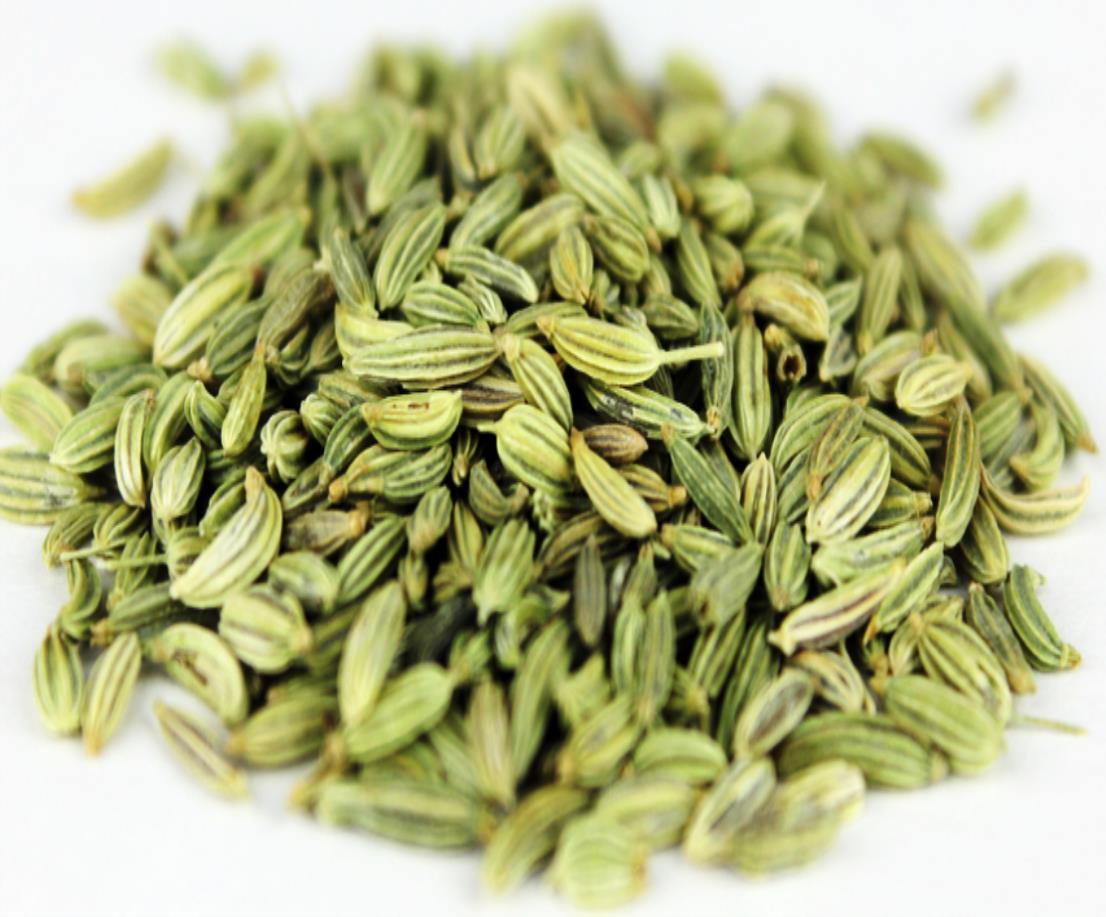
Let’s say your stomach ache is being caused by indigestion. In this case, chewing fennel seeds will help as they contain anethole, a volatile oil that can stimulate the secretion of digestive juices to help move things along. It can also help tame inflammation, and reduce the pain caused by it. If you are suffering from gastritis, inflammation of the stomach, this may provide some relief from the discomfort.
You will need…
-1/2-1 teaspoon of fennel seeds
Directions
After a meal, chew ½-1 teaspoon of fennel seeds thoroughly. If you are pregnant, avoid fennel.
Some moms recommend Gripe water made with fennel and ginger is an ideal go-to source if you have a child ill who refuses to chew fennel or drink tea.
8. Drink Club Soda and Lime
Like lemon, lime can help ease an aching tummy. Combine the lime with club soda and you have an easy drink to sip on to wash away the pain. If you overate and have a stomach ache as a result, the carbonation in club soda will encourage you to burp, therefore relieving pressure in your belly. It has been shown to help greatly with dyspepsia (basically indigestion) and constipation.
You will need…
-8 ounces of cool club soda
-Fresh lime juice
Directions
Mix 8 ounces of club soda with the juice of half a lime. Stir and sip slowly.
I myself have had more than a few unfortunate run-ins with stomach aches, particularly this past year. Thanks to some generous family genes, I seem quite prone to them. Second to headaches, I find chronic stomach pain to be one of the most distracting to deal with day-to-day.
By keeping a couple options for stomach ache remedies on hand at all time, I find I can usually be prepared to ward it off should it start to creep up.
We Want to Hear from You! Let us know which remedies work and do not work for you.