Tag: toxin

  • IS THAT MASK GIVING YOU LUNG CANCER?

    PARENTS! Have you wondered about the risk to our children when they are forced to breathe their own viral and bacterial exhaust for hours on end? Have you seen the statistics that show that their risk of the virus to their overall well being is outrageously small? Are you still following orders and masking your family?

    Guy Guy Crittenden, who, for 25 years, edited the trade journal HazMat Management has published an article regarding his deep concerns about masks. We are sharing his insight with his permission.

    ____
    I happen to know a thing or two about masks and safety. Why? Because for 25 years I was the editor of an award-winning trade magazine called HazMat Management that covered such topics as pollution prevention and compliance with health & safety laws. We routinely published articles on masks, gloves, respirators, and other forms of personal protective equipment (PPE).

    Now let me tell you a few things about that mask you’re wearing. And please note that what I’m about to share was also stated in the most recent edition of Del Bigtree’s program The Highwire when two OSHA mask experts spoke to the fact that the kinds of masks people are wearing were never (never!) designed to be worn for long periods and doing so is very harmful.

    1. Masks are “sterilized” with Ethylene Oxide — a known carcinogen. Many teachers in various school boards have been experiencing significant symptoms as a direct result of the effects of this chemical.

    2. The masks contain (not sprayed with) PTFE which makes up Teflon along with other chemicals.


    I found and have posted the US patent to allow manufacturers to use PTFE as a filter in commercial masks… breathing these for extended periods can lead to lung cancer.”


    Don’t agree? Argue with the experts at OSHA, which is the main US agency, i.e., its Occupational Health & Safety Agency. These masks are meant to be worn only for short periods, like say if you’re sanding a table for an hour and don’t want to inhale sawdust.

    They don’t do anything whatsoever to stop the spread of any virus, and the emerging science of virology now understands that viruses aren’t even passed from person to person.

    I know that sounds incredible, but it’s the case that the virus is in the air, you breathe it in, there’s no way to prevent that short of living in an oxygen tent, and if you have a strong immune system you’ll be fine, and if you have a weak immune system you may have to deal with the effects of your immune system working to restore balance within your metabolism.


    So let’s say you don’t wear the blue packaged masks, and instead wear a homemade cloth mask — the kind people wear over and over and hang on their rearview mirror and so on.

    Those masks are completely useless against a virus, and are also very dangerous. OSHA would never condone a person wearing a mask of this kind for anything more than the shortest time. Re-breathing your own viral debris is dangerous to health, and the oxygen deprivation children suffer wearing such masks all day will certainly cause brain damage. I’m not making this up.

    The many negatives to mandated mask-wearing.

    https://www.americasfrontlinedoctors.com
    https://www.brighteon.com/a0a04e0d-5861-458c-9799-78ec5023514c

    Again, you might say, well, Guy you’re not a doctor. True, but I did edit that magazine for 25 years. That’s a long time and many articles on masks and PPE. I’ve attended numerous OH&S conferences and listened to experts discussing these matters.

    You may hear people saying that surgeons and nurses wear masks like this all day. Um, no. No, they don’t. They’re trained in the proper use of masks, which is to wear them in the OR, then dispose of the mask when they leave that room. Are you aware that operating rooms are actually supplied extra oxygen, to compensate for the reduction in oxygen flow from mask-wearing?

    To my mind, it’s criminal (not hyperbole) to force children to wear masks all day. Setting aside the very real psychological effects, we’re going to have a generation of brain-damaged children. Ever heard the expression, “Not enough oxygen at birth?” That’s a joke at the expense of a mentally challenged person, but that’s literally what we’re doing. And we’re told it’s to “keep us safe”! We’re told this by doctors who actually don’t know about PPE and laypeople who have no clue.

    So, you can choose to believe me or not, but I was the editor for a quarter-century of a magazine that had a strong occupational health and safety mandate, and I can tell you that the mask-wearing currently mandated by governments and private businesses offers no health benefit whatsoever, in no way protects you or anyone else from any virus, and actually, does you damage beyond wearing it for a few minutes.

    Guy Crittenden

    Got that? Good. Now please share this message and get the conversation going with parents, who must end this masking of children immediately. This is a very serious matter. And related to that, let me just state this doesn’t end for me when the lockdown ends or the masking ends.

    No, this ends for me when every politician and bureaucrat who inflicted this travesty, this crime against humanity, on the population, is in the dock, and faces their misdeeds in a court of law!

    END NOTE: The CDC and WHO have acknowledged that asymptomatic people do not spread the virus, so the case for masks for such people is moot in the first place.”

    Published with permission from
    Guy Crittenden, who, for 25 years, edited the trade journal HazMat Management. Visit his site at HipGnosis.co

    ADDITIONAL RESOURCES:

    https://articles.mercola.com/sites/articles/archive/2020/07/15/do-masks-protect-you-from-covid-19.aspx

  • Toxic PFAS Can Cross the Placenta Exposing Unborn Children

    Health effects of environmental exposures have been a growing concern all over the world in the last decades. Of particular concern is exposure to known endocrine-disrupting chemicals, which are found in personal care products, additives or contaminants in food, household products, including chemical coatings. Because of the endocrine system’s critical role in maintaining cell integrity, and in the regulation of a number of other biological processes, impairments in any part of the endocrine system can lead to cancerous tumors, birth defects, and other developmental disorders. 

    Laboratory tests commissioned by Environmental Working Group – a Washington, D.C.-based advocacy group, exposed the shocking truth that American babies are born pre-polluted with highly persistent perfluoroalkyl substances (PFAS). The PFAS group comprises thousands of man-made chemicals, which, thanks to their unique chemical and physical properties, are used in everything from frying pans and paper food packaging to clothes, cleaning agents and firefighting foams.

    Studies have shown how highly fluorinated chemicals pass through the placenta throughout pregnancy and deposit to the embryo and fetal tissue. Further research is now needed to ascertain the effect that these substances have on different fetal organs. 

    Maternal PFAS Exposure May Affect the Development of Unborn Babies and Breastfeeding Infants 

    People can be exposed to PFAS from a variety of different sources over time, including from today’s consumer products. However, ongoing exposure to PFAS in drinking water can substantially increase total exposure in humans and can lead to concentrations in the body high enough to potentially increase health risks. 

    The accumulation of PFAS in maternal tissue (e.g. placenta, umbilical cord blood, and mammary glands) is related to the growing incidence of endocrine-associated pediatric disorders. Endocrine-disrupting chemicals can alter a baby’s hormonal system by modifying or substituting natural hormones and interfering with cellular signaling. The weight of the evidence shows that prolonged exposure to certain contaminants can affect a baby’s well-being over time by causing subtle, but important changes in early development that can manifest later in childhood and adulthood, such as learning and cognitive disabilities, behavioral problems, and nervous system imbalances.

    Developmental effects affecting the infants and older children:

    • Reduced response to vaccines
    • Lung function impairment
    • Lower birth weight
    • Delayed mammary gland development
    • Obesity

    In recent years, special attention has also been focused on the toxic chemicals detected in breast milk since it’s consumed by infants. Researchers have found that protein-rich breast milk can be a major source of PFAS exposure, as these chemicals accumulate easily in human breast milk and can build up to worrying levels in breastfeeding babies. Prenatal exposure can affect immunity, hormonal functions, and the development of the nervous system.

    How Can Expectant Mothers Protect Their Future Children From Toxic PFAS Chemicals?

    Because PFAS chemicals have an important bioaccumulation potential, these chemicals are only very slowly eliminated from the body, which means even short-term exposure could be harmful. Reproductive health experts say that advice that preventing exposure to pregnant women or women trying to become pregnant is critical to prevent childhood neurological harm. FDA scientists confirmed that chemical contamination of PFAS has made its way into the U.S. food supply chain. The main sources of PFAS substances today are food, in the form of fish, milk, meat and eggs, or in the drinking water, if you happen to live near military bases, industrial plants, commercial airports or firefighting training sites. 

    During early development, the human fetus is vulnerable and relatively susceptible to impact from adverse conditions within the mother’s environment. As these persistent organic pollutants can be absorbed by the mother through food or water and subsequently by the unborn baby, who will absorb them via the placenta, pregnant women living in or near areas that have been identified as having been contaminated with PFAS should take steps to limit their exposure to these chemicals. 

    Decreased exposure to PFAS chemicals may be achieved by:

    • using consumer products from green labels;
    • avoid greasy or oily packed and fast foods, as the packages often contain grease-repellant coatings;
    • monitoring PFAS levels in drinking water and taking action as soon as possible if PFAS are discovered in the drinking water at concentrations that exceed the health advisory levels;
    • avoid eating fish, including fish caught in areas affected by PFAS; the exposure also comes from sources other than drinking water, such as fish, as long-chain PFAS has been shown to bioaccumulate in freshwater fish to concentrations that pose a threat to human health can accumulate in freshwater fish to concentrations that pose a threat to human health.

    While the potential magnitude of PFAS risk is daunting, public health advocacy organizations and environmental attorneys need to be proactively committed to strengthening drinking water protections and supporting community groups who are fighting for their community’s right to safe drinking water. Both persistence and prevalence of PFAS chemicals make it a simmering threat that should be mitigated to minimize the spread of adverse health outcomes in humans and negative environmental impacts.

    References:

    https://www.ncbi.nlm.nih.gov/pmc/articles/PMC4626367/

    https://www.ncbi.nlm.nih.gov/pmc/articles/PMC5322271/

    https://www.ncbi.nlm.nih.gov/pubmed/18497172

    https://www.ewg.org/research/body-burden-pollution-newborns

    https://www.ewg.org/research/minority-cord-blood-report/executive-summary

    https://www.atsdr.cdc.gov/pfas/pfas-exposure.html

    About the author:

    Treven Pyles is the administrative director at Environmental Litigation Group, P.C., a widely recognized law firm located in Birmingham, Alabama, with a distinguished record of helping victims of wrongful exposure to dangerous substances to cover the high medical costs of a serious illness, potentially lifelong and fatal. Treven is in charge of organizing complex operations that involve people and information and knows the importance of addressing the clients’ needs in complex cases like environmental litigation

  • STOP THE TOXIC SPRAY

    They spray toxins KNOWN to cause cancer, weed-killer KNOWN to disrupt hormones herbicides KNOWN to be harmful to human health.The cities and counties spray toxic chemicals our sidewalks (where my children play barefoot), they spray our parks (where my children tumble and roll around) and they spray our school grounds where children spend most of the days of the weeks.

    Why are we ALLOWING this practice to continue? A few unsightly weeds are not worth another cancer diagnosis in a child! Our health is valuable. Here are several ACTION STEPS you can take to protect our children!

    STEP 1: SIGN THE PETITION

    STEP 2: #StopToxicSpray Make a Phone Call

    I wasn’t really planning on doing anything as my week has been crazy busy. But, an opportunity presented itself as I drove home today to find my street being sprayed with a ‘weed killer’ along the sidewalks and in the street cracks. I stopped the gentleman who had a golf cart and two large tanks of chemicals. He was applying it with a hand wand.

    I asked him “HOW DO I STOP THIS!?”

    He recognized I was worried and saw the van full of kids. “My son has sensitivities to chemicals I don’t want this sprayed near my yard.” He was very kind and said just post a sign, “NO SPRAY ZONE”. He already did my house but he wouldn’t spray my property next time.

    I didn’t want to be around the chemical tanks with the kids in car so I drove home to call the city. Ron from the Street Department called me back promptly. He’s been with the department since the 80’s and they have always sprayed weed killer. 

    No, they don’t alert the public and they spray twice a year. Yes, they use RoundUp and another cancer causing chemical combination. (Ask your city what THEY use?)

    When I expressed my concerns about its new label as a carcinogen, he responded  “Oh, that’s California not Idaho”. My response was “Oh, but the World Health Organization also labels it as a carcinogen. Cancer is an issue in Idaho as much as it is in California. Since 1 in 3 people get cancer it seems we should find an alternative chemical to get rid of weeds?” 

    It was a productive conversation. I finished the conversation with the question, “Since you said, you can’t stop spraying for weeds, how do we change the chemicals being use?”

    I was told to find a product that is the equivalent to Round Up in effectiveness and cost and he would research it and be willing to approach the supervisors to make a change. 

    I promised him that I, a mom of a sick kid, will research and find some alternative products for their use -because its that important to me. Not just for my kids sake, but for those workers being exposed to the chemicals in large concentrations, and the families that aren’t even aware that their children’s health issues are stemming from the constant chemical exposure and their bodies unable to detox like the rest of us. 

    UPDATE: I found a resource thanks to Non-Toxic Irvine. They have a list of alternatives the city can use. 

    I later found out that Nampa (a neighboring city) has already committed to reduce their use of this carcinogenic chemical Glyphosate. John from the parks department told me that they put out signs when they use chemicals in the park. The glyphosate is sprayed in tree wells – an area I will have my children avoid in the future. 

    “Napa is phasing out the herbicide, known by its brand name Roundup, and is substituting other substances, plus increased mulching to attack weeds in public recreational areas, according to Dave Perazzo, the city’s director of parks, trees and facilities.”

    Step #3 Join Others! We can do more together as a community

    Join our closed Facebook Group. Learn what people are doing in your city. Join with them to unite our voices against toxins sprayed in our beautiful state.

    #4 HELP COVER COSTS! DONATE

    Help Support Our Efforts to Make Idaho Non-Toxic

    Your donation will help with printing costs for educational materials submitted to our city and state officials!


    GLYPHOSATE Resources:
    Court Rules for Third Time RoundUp Caused Cancer

    Glyphosate Herbicides Contain Toxic Levels of Arsenic

    Glyphosate: Its inert ingredients are just as toxic

    MEDICAL Implications of RoundUp (Glyphosate)

    Nampa commits to reduction of Glyphosate in Parks :See Full Article At the Nampa Registar http://napavalleyregister.com/news/local/napa-edges-away-from-glyphosate-weed-killer-in-city-parks/article_096c09bd-140e-5a3d-a325-d97cab4e88e2.html


  • Neurotoxin Aluminum Linked to Mental Impairments

    Our bodies are exposed to pollutants before we’re even born. Many pollutants, like the ones in our air, are unavoidable. But there are many toxins that we can choose to avoid. Aluminum is one of those toxins. Unlike vitamins, minerals, and trace elements, the body does not need aluminum. And aluminum is no innocent or benign participant. Aluminum accumulates in the kidneys, brain, lungs, liver and thyroid where it competes with calcium for absorption and can affect skeletal mineralization. In infants, this can slow growth. Animal models have linked aluminum exposure to mental impairments. [1]

    The scary truth about aluminum is that it is found in so many things in our world and it is toxic to our bodies, even in small amounts. From household products to vaccinations, aluminum pervades our lifestyle, and if not monitored closely, can easily make its way into our bodies causing lasting, harmful effects.

    ALUMINUM IS FOUND IN:

    THE DANGERS OF ALUMINUM

    • Why is Aluminum Exposure Harmful? Just as cigarette smoke damages lung function and overexposure to UV rays will degrade your skin, aluminum is an attacker and its target is your central nervous system. [2]Studies show that toxic metals contribute to brain diseases by producing oxidative stress and aluminum is one of the worst offenders. [1] The prevailing belief around the world is that aluminum is linked to degenerative brain diseases:
      • linked to Alzheimer’s
      • epilepsy
      • dementia
      • osteomalacia
      • ADD
      • chronic fatigue syndrome

    It makes sense, research shows aluminum can produce toxic, oxidative stress in the brain and a brain autopsy study of elderly persons found them to have aluminum levels 20+ times higher than a middle-aged group. [3] [4] The Agency for Toxic Substances and Disease Registry, part of the U.S. Department of Health and Human Services, recognizes aluminum as one of several metals known to affect the neurological system. [5] As far as aluminum is concerned, the supreme brain-health concern is Alzheimer’s disease.

    Many of the symptoms of aluminum toxicity mimic those of Alzheimer’s disease and osteoporosis. Colic, rickets, gastrointestinal problems, interference with the metabolism of calcium, extreme nervousness, anemia, headaches, decreased liver and kidney function, memory loss, speech problems, softening of the bones, and aching muscles can all be caused by aluminum toxicity.  To minimize the risk of degenerative brain, bone, and other diseases, reductions in oral and topical exposure to aluminum and aluminum compounds are highly recommended. Download your free copy of Aluminum Tainted Everyday Products from the CHILDREN’S MEDICAL SAFETY RESEARCH INSTITUTE

    • AVOIDING ALUMINUM
      Aluminum is one of the most abundant metals on earth and it has permeated mainstream products to the degree that it’s virtually impossible to completely avoid exposure. However, you can take certain measures to reduce your exposure.
    • Avoid using disposable aluminum pans for cooking. Use glass pans for baking, stoneware for cookie sheets, and cast-iron for stove-top cooking.
    • Do not wrap food in foil to cook in oven or on grill. Potatoes bake just fine with no wrapping at all on oven rack.
    • Don’t use a deodorant that contains aluminum. Try using baking soda (as long as it is aluminum-free, too) or buy all-natural, aluminum-free deodorant, or make your own. bettermindbodysoul.com/diy-natural-deodorant-stick/
    • Read all labels on food and pay attention to packaging. Acidic foods in aluminum cans react, causing the aluminum to leach into the contents of the can.
    • Use all-natural shampoos, soaps, lotions, and cosmetics.
    • Avoid aluminum-containing antacids. Try natural remedies for heartburn and indigestion like sipping a glass of water with one tablespoon of apple cider vinegar, eat fresh pineapple or papaya, chew a sprig of parsley, drink a cup of peppermint tea, drink aloe vera, or coconut water, or milk.

    References (13)

    1. Kumar V, Gill KD. Aluminium neurotoxicity: neurobehavioural and oxidative aspects. Arch Toxicol. 2009 Nov;83(11):965-78. doi: 10.1007/s00204-009-0455-6. Epub 2009 Jul 1. Review.
    2. Michalke B, Halbach S, Nischwitz V. JEM spotlight: metal speciation related to neurotoxicity in humans. J Environ Monit. 2009 May;11(5):939-54. doi: 10.1039/b817817h. Epub 2009 Mar 19. Review.
    3. Fernández-Dávila ML, Razo-Estrada AC, García-Medina S, Gómez-Oliván LM, Piñón-López MJ, Ibarra RG, Galar-Martínez M. Aluminum-induced oxidative stress and neurotoxicity in grass carp (Cyprinidae–Ctenopharingodon idella). Ecotoxicol Environ Saf. 2012 Feb;76(2):87-92. doi: 10.1016/j.ecoenv.2011.09.012. Epub 2011 Oct 10.
    4. Jansson ET. Aluminum exposure and Alzheimer’s disease. J Alzheimers Dis. 2001 Dec;3(6):541-549.
    5. Pohl HR, Roney N, Abadin HG. Metal ions affecting the neurological system. Met Ions Life Sci. 2011;8:247-62.
    6. Brenner S. Aluminum may mediate Alzheimer’s disease through liver toxicity, with aberrant hepatic synthesis of ceruloplasmin and ATPase7B, the resultant excess free copper causing brain oxidation, beta-amyloid aggregation and Alzheimer disease. Med Hypotheses. 2013 Mar;80(3):326-7. doi: 10.1016/j.mehy.2012.11.036. Epub 2012 Dec 20.
    7. Shrivastava S. Combined effect of HEDTA and selenium against aluminum induced oxidative stress in rat brain. J Trace Elem Med Biol. 2012 Jun;26(2-3):210-4. doi: 10.1016/j.jtemb.2012.04.014. Epub 2012 May 8.
    8. Bondy SC. The neurotoxicity of environmental aluminum is still an issue. Neurotoxicology. 2010 Sep;31(5):575-81. doi: 10.1016/j.neuro.2010.05.009. Epub 2010 May 27. Review.
    9. Belojević G, Jakovljević B. [Aluminum and Alzheimer’s disease]. Srp Arh Celok Lek. 1998 Jul-Aug;126(7-8):283-9. Review. Serbian.
    10. Nishida Y. Elucidation of endemic neurodegenerative diseases–a commentary. Z Naturforsch C. 2003 Sep-Oct;58(9-10):752-8. Review.
    11. Mandour RA, Azab YA. The prospective toxic effects of some heavy metals overload in surface drinking water of Dakahlia Governorate, Egypt. Int J Occup Environ Med. 2011 Oct;2(4):245-53.
    12. Riihimäki V, Aitio A. Occupational exposure to aluminum and its biomonitoring in perspective. Crit Rev Toxicol. 2012 Nov;42(10):827-53. doi: 10.3109/10408444.2012.725027. Epub 2012 Sep 27. Review.
    13. Polizzi S, Pira E, Ferrara M, Bugiani M, Papaleo A, Albera R, Palmi S. Neurotoxic effects of aluminium among foundry workers and Alzheimer’s disease. Neurotoxicology. 2002 Dec;23(6):761-74.

    †Results may vary. Information and statements made are for education purposes and are not intended to replace the advice of your doctor. Global Healing Center does not dispense medical advice, prescribe, or diagnose illness. The views and nutritional advice expressed by Global Healing Center are not intended to be a substitute for conventional medical service. If you have a severe medical condition or health concern, see your physician.

    This article originally appeared at: http://www.keeperofthehome.org/eliminating-aluminum-from-our-homes.

  • Pesticides: the Big Picture

    Pesticides are used all around us, in homes and gardens, schools, parks and agricultural fields. All too often, these chemicals are allowed onto the market before their impacts are fully understood — and harms to our health and the environment are discovered years later. The science is increasingly clear that even low levels of exposure can harm human health, and children are particularly vulnerable.

    Our national rules governing pesticide use are surprisingly weak. Yet as public concern continues to grow, alternative approaches to managing pests are increasingly available and gaining ground in homes, schools and agricultural fields across the country.

    Below is a brief overview of the problem; explore our campaigns and key issue pages to find out more about how PAN and our partners are building a healthy, thriving system of food and farming — and how you can help.

    What are pesticides?

    Insecticides (bug killers), herbicides (weed killers), and fungicides (fungus killers) are all pesticides; so are rodenticides and antimicrobials. Pesticides come in spray cans and crop dusters, in household cleaners, hand soaps and swimming pools.

    Insecticides are generally the most acutely (immediately) toxic. Many are designed to attack an insect’s brain and nervous system, which can mean they have neurotoxic effects in humans as well. Herbicides are more widely used (RoundUp and atrazine are the two most used pesticides in the world) and present chronic risks. This means ongoing, low-level exposures can increase the risk of diseases or disorders such as cancer, Parkinson’s disease or infertility and other reproductive harms. Fungicides are also used in large amounts; some are more benign, some are not.

    Pesticides are also sometimes broken down into chemical classes and modes of action. For example, fumigants are pesticides applied as gases to “sterilize” soil, and systemics work their way through a plant’s tissue after being taken up at the root. Major chemical classes include: carbamates, organochlorines, organophosphates (mostly developed 70 or more years ago for chemical warfare) and triazines. Newer classes include pyrethroids and neonicotinoids, synthesized to mimic nature’s pest protection. For more details on specific pesticides, visit our online database at www.pesticideinfo.org.

    What is the “pesticide treadmill?”

    Farmers get caught on the treadmill as they are forced to use more and more — and increasingly toxic — chemicals to control insects and weeds that develop resistance to pesticides.

    As “superbugs” and “superweeds” develop in response to widespread and continous use of chemicals, a farmer will spend more on pesticides each year just to keep crop losses at a standard rate.

    The recent introduction of crops genetically engineered for use with the herbicide 2,4-D provides a clear example of the pesticide treadmill. Widespread planting of RoundUp Ready crops and the associated application of RoundUp prompted weeds to develop resistance to the product. Resistant strains of “Pigweed” for instance, reportedly now grow with such vigor in southern cotton fields that the weeds can “stop a combine in its tracks.” Farmers are forced to return to use of 2,4-D — an antiquated, drift-prone chemical clearly linked to cancer and reproductive harms.

    Overall, pesticide resistance is increasing. In the 1940s, U.S. farmers lost seven percent of their crops to pests. Since the 1980s, loss has increased to 13 percent, even though more pesticides are being used. Between 500 and 1,000 insect and weed species have developed pesticide resistance since 1945.

    Rachel Carson clearly predicted the treadmill phenomenon in her 1962 book Silent Spring.

    There is another way. Agroecology is the science behind sustainable farming. This powerful approach combines scientific inquiry with place-based knowledge and experimentation, emphasizing approaches that are knowledge-intensive, low cost, ecologically sound and practical. Home use of pesticides — which on a per acre basis outpaces use on farms by a ratio of 10 to 1 — puts families across the North America at unnecessary risk. Alternatives are available to manage home, lawn and garden pests without toxic pesticides.

    Which rules govern pesticides?

    In the U.S., the Environmental Protection Agency (EPA) has primary authority to register and regulate pesticides. The agency’s oversight of pesticides is authorized by the following federal laws:

    The Federal Insecticide, Fungicide, and Rodenticide Act allows EPA to register pesticides using risk/benefit standards (how much risk is balanced by how much benefit);

    The Federal Food, Drug, and Cosmetic Act aims to increase protection for children and infants, including setting tolerances (maximum residues on food);

    The Food Quality Protection Act of 1996 (FQPA) amends previous laws by establishing a single safety standard for tolerances to increase protection of children from aggregate exposures (dietary, water and residential); and

    The Endangered Species Act of 1973 which requires that pesticides that will harm these species will not be registered.

    Some states have additional, stricter rules restricting pesticide use, and in a handful of states, local cities and counties can put even stricter rules in place.

    Internationally, pesticides are regulated through two treaties that PAN played a formative role in creating:

    • Stockholm Convention on Persistent Organic Pollutants (POPs treaty) addresses toxins that persist, move around the world on wind and water, and bioaccumulate (DDT, for example)and
    • Rotterdam Convention on Prior Informed Consent (PIC treaty) gives countries the right to refuse the import of highly hazardous toxins.

    The PIC treaty attempts to redress the dumping of obsolete or banned pesticides on the developing world. While only 25 percent of global pesticide use takes place in developing countries, 99 percent of acute pesticide-related fatalities occur there.

    Exposure & impacts

    Pesticide exposure depends on where you live and what you do.

    Each year, an estimated one billion pounds of pesticides are applied to U.S. farms, forests, lawns and golf courses. More than 17,000 pesticide products are currently on the market — with many of them approved through “conditional registration,” a regulatory loophole that allows products on the market quickly without thorough review.

    GLYPHOSATE MAKER to pay BILLIONS IN DAMAGES TO INDIVIDUALS WITH CANCER

    Pesticide applicators, farmers and farmworkers, and communities near farms are often most at risk, but studies by the Centers for Disease Control show that all of us carry pesticides in our bodies. Golf courses use pesticides heavily, as do some schools and parks. Consumers also face pesticide exposure through food and water residues. For instance, the herbicide atrazine is found in 94% of U.S. drinking water tested by the USDA.

    This widespread, long term use of pesticides has had tremendous ecological impacts over the years, from pest and weed resistance to environmental contamination and honey bee declines.

    In terms of human health, pesticides are now linked to a range of health impacts, including increased risk of cancer, Parkinson’s disease and neurodevelopmental effects like autism and ADHD. As we highlight in our A Generation in Jeopardy report, the science shows that infants and children are most at risk.

    LEARN MORE ABOUT PESTICIDES healthandenvironment.org/environmental-health/environmental-risks/chemical-environment-overview/pesticides

  • Monsanto Glyphosate Medical Implications

    Glyphosate herbicide, more commonly known as Roundup, is the world’s most commonly used herbicide. It is sprayed on everything from homeowner’s lawns to gigantic fields of “Roundup-Ready” genetically modified crops. Though ubiquitous, many research studies suggest that this weed-killing chemical is far from benign.

    This article originally appeared at: https://www.youtube.com/watch?v=kY5f19QGvds&t=80s.

    Learn How to DETOX from Glyphosate.

  • Popular Hummus Brands Contaminated with Herbicide

    Is your healthy hummus is filled with glyphosate a weed killer that’s a probable carcinogen and endocrine disruptor? Moms Across America released test results of 10 hummus samples from 8 brands and all but 1 tested positive for glyphosate weedkiller (Roundup herbicide). 

    Lilly’s Hummus representative stated that they source their garbanzo beans from organic farmers in California. When asked about the absence of glyphosate in their products they stated, regarding their suppliers, “They perform random field pre-checks on crops, and recognize glyphosate as one of the worst herbicides. We’re very gratified to produce a nourishing product safe for individuals and families free of this substance.”

    Moms Across America says, “The issue is making sure the organic garbanzo beans are really organic. We encourage brands to do their due diligence. Thank you Lily’s for sourcing non-glyphosate sprayed garbanzo beans.” 

    Why is hummus contaminated?

    There are 2 likely sources of glyphosate in the hummus. First, legume and seed crops (non-organic) are routinely sprayed with Roundup as a pre-harvest desiccant (drying agent). Secondly, most hummus seems to have canola oil on the label (rather than olive oil as the only oil) and canola oil is almost always GMO and engineered to be Roundup Ready (live through field spraying with Roundup).

    Want to know for sure what’s in your hummus? Make it from scratch with organic ingredients.

    Hummus the Easy Way

    Ingredients:

    1. 2 cups drained well-cooked or canned chickpeas (garbanzo beans)
    2. One large eggplant roasted until soft (350˚ for 15- 20 minutes), cooled, peeled and seeded for added nutrition
    3. 1/4 cup extra-virgin olive oil
    4. 3-4 cloves garlic, peeled (saute before adding for a sweeter hummus)
    5. Sea Salt and freshly ground black pepper to taste.
    6. Juice from 1 lemon (seeded)
    7. 1/2 tsp. Lemon Powder (optional – frozen, dehydrated, and powdered form available from Fred Meyer’s or online by TrueLemon)

    Directions:

    Mixed together 1 minute or so in a Cuisinart until smooth. Taste, add more salt, lemon juice, OO as desired. 
    Serve with pita bread and carrot and celery stalks.

    Kids love this, but I introduced them all to lemons as babies. 
    contributed by Deborah Zee 

    More about the tested hummus products from Moms Across America:   https://www.momsacrossamerica.com/_healthy_hummus_contaminated_with_weed_killer

    Summary of Glyphosate’s Danger to Human Health

    Independent, peer-reviewed scientific evidence now shows that glyphosate’s harm to human health could begin at the ultra-low levels of 0.1 parts per billion (ppb). As little as 0.05 ppb of glyphosate causes liver and kidney damage in rats, along with changes in the functions of more than 4,000 genes. SOURCE 

    If you’d like to learn more about gene alterations, this is a highly recommended book.

    What gets overlooked by researchers is the synergistic effects of glyphosate with other toxins that are being used along side glyphosate. They also spray pesticides on the same things they spray glyphosate on. Its difficult to find studies accessing what the effects of that are but you can see the dramatic rise in cancer that coincides with the increase in glyphosate usage so it is working synergistic-ally with other toxins.

    The EPA’s “allowable” level of glyphosate found in U.S. drinking water is 700 ppb of glyphosate. 

    Feeding Lies

    For years Monsanto has been dogged by questions about the safety of glyphosate for humans, animals and the environment, and for years the company has denied or dismissed claims of its products’ links to a range of serious side effects—including birth defects, cancer, autism, non-Hodgkins lymphoma, kidney disease, wildlife and aquatic abnormalities and death, and even the deaths of butterflies and bees.

    But new information has come to light that shows Monsanto not only knew of the biochemical hazards of glyphosate, but did not reveal the results of its own studies that corroborated several scientific challenges to its product. Recently released court documents clearly show Monsanto knew the toxicity of their product and intentionally covered up the dangers to humans and the environment. 

    Humans Contaminated

    Glyphosate is found in vaccines, breastmilk, urine, water. Its detected at high levels in Cheerios, the “irresistible taste of golden honey that also provides 12 essential vitamins and minerals” for American children, contains 1,125.3 ppb.

    Future historians may well look back upon our time and write, not about how many pounds of pesticide we did or did not apply, but about how willing we are to sacrifice our children and jeopardize future generations with this massive experiment we call genetic engineering that is based on flawed science and failed promises just to benefit the bottom line of a commercial enterprise.   – Don M. Huber, Professor Emeritus, Purdue University; COL (Retired) AUS-Medical Intelligence

    SOURCES:

    https://hfi.designbyparrish.com/monsanto-isnt-feeding-the-worldits-killing-our-children

    https://www.momsacrossamerica.com/glyphosate_testing_results

    https://s3.amazonaws.com/media.fooddemocracynow.org/images/FDN_Glyphosate_FoodTesting_Report_p2016.pdf

    https://www.momsacrossamerica.com/_healthy_hummus_contaminated_with_weed_killer

    Study showing GMO corn causes gut damage: http://www.scirp.org/Journal/PaperInformation.aspx?PaperID=85687

  • CDC keeps secret its mishaps with deadly germs & potential bio-terror pathogens

    CDC keeps secret its mishaps with deadly germs & potential bio-terror pathogens

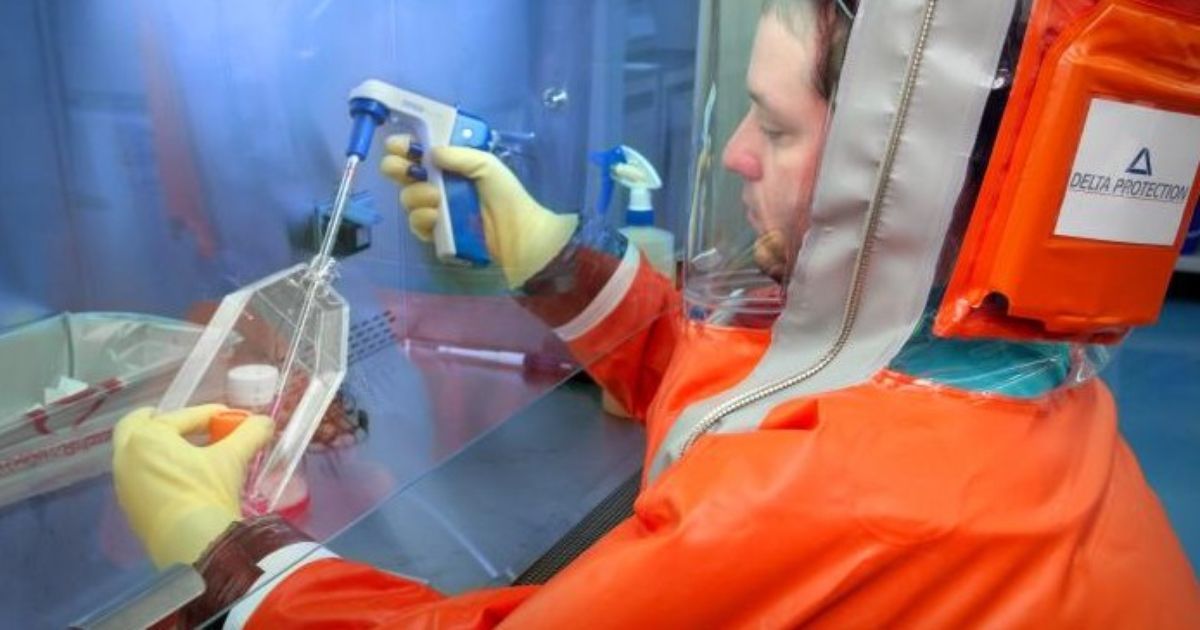
    HFI:  CDC experiments with dozens of the world’s most dangerous bacteria and viruses and potential bio-terror pathogens. CDC scientists apparently lost a box of deadly and highly-regulated influenza specimens and experienced multiple potential exposures involving viruses and bacteria, according to heavily-redacted laboratory incident reports obtained by USA TODAY. Several reports involve failures of safety equipment. In one, a scientist wearing full-body spacesuit-like gear to protect against lethal, often un-treatable viruses like Ebola, had their purified air hose suddenly disconnect — “again” — in one the world’s most advanced bio-safety level 4 labs.

    USA TODAY’s “Biolabs in Your Backyard” investigation has revealed hundreds of safety incidents at public and private research facilities nationwide and highlighted how many university, government and private labs have fought to keep records secret about incidents and regulatory sanctions. The USA TODAY investigation also exposed that more than 100 labs working with potential bioterror pathogens have faced secret federal sanctions for safety violations, yet regulators allowed them to keep experimenting while failing inspections, sometimes for years.

    USA TODAY also revealed details about the operations and safety records of more than 200 high-containment labs across the nation, facilities whose identities have eluded even the Government Accountability Office. More than 100 labs working with potential bio-terror pathogens have faced secret federal sanctions for safety violations, yet regulators allowed them to keep experimenting while failing inspections, sometimes for years.

    In addition to being a lab operator, the CDC co-runs the Federal Select Agent Program that inspects and regulates government, university, military and private labs that works with these regulated viruses, bacteria and toxins. The U.S. Department of Agriculture is CDC’s partner in the regulatory program.

    After winning a Freedom of Information Act appeal last year, USA Today revealed that the CDC is among a small group of biolab operators nationwide that have the worst regulatory histories in the country, receiving repeated sanctions under secretive federal regulations. 

    Incidents such as: In April 2014, a mangled box filled with biological samples – at least one of them broken – arrived without any labels that it contained infectious materials by regular United Parcel Service delivery to the desk of a CDC worker, rather than to a laboratory. The box, from the North Carolina State Laboratory of Public Health, had been shipped in a re-used box without appropriate packing materials and arrived with a “gaping hole” in one corner, according to the CDC emails. Inside the box were specimens of bacteria that cause potentially life-threatening Typhoid fever.

    The Centers for Disease Control and Prevention, which has faced congressional hearings and secret government sanctions over its sloppy lab safety practices, is keeping secret large swaths of information about dozens of recent incidents involving some of the world’s most dangerous bacteria and viruses.

    CDC scientists apparently lost a box of deadly and highly-regulated influenza specimens and experienced multiple potential exposures involving viruses and bacteria, according to heavily-redacted laboratory incident reports obtained by USA TODAY. Several reports involve failures of safety equipment. In one, a scientist wearing full-body spacesuit-like gear to protect against lethal, often un-treatable viruses like Ebola, had their purified air hose suddenly disconnect — “again” — in one the world’s most advanced bio-safety level 4 labs.

    After taking nearly two years to release laboratory incident reports requested by USA TODAY under the Freedom of Information Act, the CDC blacked out many details including the types of viruses and bacteria involved in the mishaps and often the entire descriptions of what happened. In several cases, clues about the seriousness of incidents is revealed because CDC staff failed to consistently black out the same words repeated throughout a string of emails.

    The CDC would not answer USA TODAY’s questions about specific incidents, which occurred at the agency’s laboratory facilities in Atlanta and Fort Collins, Colo., during 2013 through early 2015.

    “None of the incidents described in these documents resulted in reported illness among CDC staff or the public,” the CDC said in a brief emailed statement. Where incidents involved “inventory discrepancies,” the agency said generally the problems were addressed without posing a risk to anybody. The CDC said incident reports cover a time period before the Atlanta-based agency created a new lab-safety office in the wake of three high-profile incidents during 2014 with anthrax, Ebola and a deadly strain of bird flu.

  • Zika Feared – Neurotoxin Sprayed

    Zika no longer a global emergency and yet, the pesticide spraying of known neurotoxins continues in Florida. 

    According to a new study out, naled- the pesticide widely used to fight Zika-carrying mosquitoes in Florida and across the nation- has been linked to deficits in motor functions in Chinese babies. Authors of the study say it’s the first to examine real-world exposure to naled outside of workplace accidents or lab experiments. The University of Michigan study was published in the journal Environment International.

    RELATED ARTICLES:

    Using cord blood from 237 mothers who gave birth to healthy babies at a hospital in southeast China between 2008 and 2011, researchers found that at six weeks, the babies displayed no problems. However, at nine months, the babies suffered from slight problems with coordination, movement, and other motor functions. Miami Herald, June 2017.”>1 (Researchers used standard motor-skill tests that look at reflexes, body control, movement, and hand and eye coordination to assess problems; as exposure to naled increased, deficits also rose.)

    Although the study was only a close snapshot of a particular group of mothers, the authors rightly pointed out the need to take a closer look at using naled.

    Naled has been used for decades in Florida to control marsh mosquitoes. It’s sprayed by plane “mostly over suburban fringes bordering marshes and mangroves before dawn.” However, last year (thanks to people like YOU) it drew more attention and quick opposition when Miami-Dade County and other urban areas “battling Zika” started using it: Miami Herald, June 2017.”>2

    • In South Florida, protesters prompted the county to put off using the pesticide in Miami Beach to give the city more time to notify residents.
    • Federal officials backed off a plan to use naled in Puerto Rico after its governor protested.
    • Europe had already banned naled in 2012.
    • But of course, the CDC recommended its use in combination with organic larvicides that kill mosquito eggs in standing water.

    But, back to China. How did women end up with the poison in their cord blood? Especially given the fact that Amvac, the U.S. manufacturer of the pesticide, has no record of selling naled in China?

    “Silver said it was impossible to determine how the Chinese mothers ended up with naled in their blood, although she suspected it was used on crops or mosquito spraying. The team used cord blood collected between 2008 and 2011 by co-author Betsy Lozoff for another study that looked at iron deficiency and brain development. They found a number of pesticides but focused on five that occurred in traceable levels.” Miami Herald, June 2017.”>3

    Sources and References
    1. Miami Herald, June 2017.
    2. Miami Herald, June 2017.
    3. Miami Herald, June 2017.

  • Dangers of Spray Sunscreen

    Spray-on sunscreen is SO dangerous! Not only is it flammable, but it may be harmful to your skin and lungs (and overall health). Don’t let your kids be guinea pigs in this experiment – the FDA has been deciding since 2011 whether spray sunscreens are safe, and in the meantime, the market is exploding with them!

     Two greatest risks of the active ingredients in conventional sunscreens are:

    • hormone disruptors that act as estrogen in the body after being absorbed through the skin and are also potent allergens for some children
    • free radicals (cancer-causing!) formed when the sunscreen reacts chemically with the sun

    If it’s not safe for your skin, it’s certainly not safe for your lungs. Ditch the sprays!

    Find alternatives to conventional sunscreen here: https://www.kitchenstewardship.com/spray-sunscreen-dangers/?inf_contact_key=688a1e11d26ff2e1a1bf9dfdaee5145aca81c4cb79d458a3165f452d1bd75cb1

    Consumer reports that she mentions in the video is here: http://fox13now.com/2014/07/22/consumer-reports-dont-use-spray-sunscreen-on-children-just-yet/